
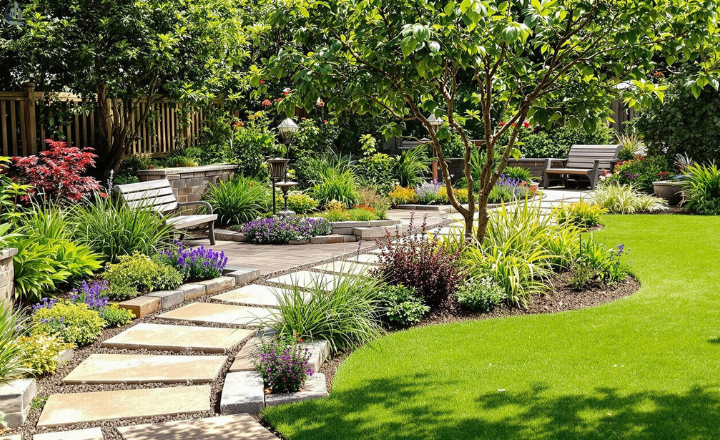
A stunning garden doesn’t have to come with a hefty price tag. Many homeowners and renters believe that beautiful landscaping requires deep pockets, but that’s simply not true. When it comes to landscaping on a budget, creativity is your best friend.
You can also sprinkle in homemade décor, like painted stones or DIY bird feeders, to add personality without a hefty price tag. Remember, small changes can transform your space, making it feel inviting and full of life!
In this guide, we’ll dive into landscaping on a budget, offering you low-cost gardening ideas and practical solutions that can transform your outdoor space without breaking the bank. Whether you’re a seasoned green thumb or just starting out, you’ll find tips that fit your budget and lifestyle while creating a low-maintenance garden you’ll love.
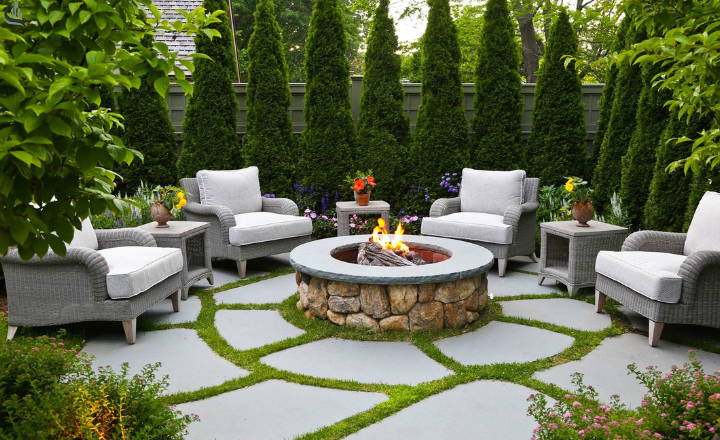
1. Add Mixed Planting Beds
Creating mixed planting beds is one of the best cheap landscaping ideas to add depth and beauty to your garden without breaking the bank. Start with a mix of flowers, shrubs, and groundcover plants that not only complement each other but also thrive in your local climate.
For example, pair bright perennial flowers like coneflowers or daylilies with low-maintenance shrubs such as lavender or boxwood. To really make your garden pop, layer taller plants in the back and shorter ones in the front. Aim for a distance that allows for healthy growth but fills in gaps over time. By selecting plants that naturally thrive in your area, you’ll create a vibrant, layered garden.
2. Plant Groundcover
Groundcover plants are a game-changer for anyone diving into DIY landscaping, especially in small yards. These hardy plants create a thick blanket over the soil, choking out pesky weeds and reducing the need for constant weeding. This saves you time and money on garden maintenance, allowing you to focus your budget on more fun projects.
Additionally, groundcovers protect the soil from erosion and extreme weather. They act like a cozy blanket, keeping moisture in during dry spells and helping to prevent runoff during heavy rains. With their low upkeep and ability to thrive in various conditions, groundcover plants are truly a smart, budget-friendly choice for any gardener.
Tip
If you’re looking to plant groundcover without breaking the bank, consider using wild violets and white clover. Both are low-cost options that thrive easily in many environments. Wild violets not only bloom beautifully in the spring but also improve soil health. They can handle a variety of soil types, making them a beginner-friendly choice.
White clover is another fantastic option. It grows rapidly and helps fix nitrogen in the soil, enriching it for future plants. By planting these two together, you can create a lush, green carpet that requires minimal maintenance. They’ll also naturally outcompete weeds, saving you time and effort in the long run.
3. Choose Easy-Growing Perennials
Choosing easy-growing perennials for your garden is a brilliant move for anyone looking to landscape on a budget. Unlike annuals that need to be replanted every year, perennials come back season after season, which means fewer trips to the nursery and less cash out of your pocket.
This longevity allows you to spend your landscaping budget on other enhancements, like decorative stones or garden features. With minimal care like occasional watering, weeding, and pruning, you can enjoy a vibrant garden without dedicating every weekend to maintenance. Many perennials attract pollinators, enriching your garden’s ecosystem and supporting the local environment.
4. Opt for Affordable Hardscaping
When it comes to creating a beautiful outdoor space on a budget, hardscaping can be your best friend. Affordable options like gravel paths and stepping stones bring charm without breaking the bank. Gravel is not only inexpensive, but it also provides excellent drainage.
Reused bricks are another fantastic budget-friendly hardscaping material. You can arrange them into borders or patios, giving your yard a unique character. Simple edging made from wood or metal can help define garden beds. By opting for these DIY methods, you not only save money but also tap into your creativity.
5. Install DIY Water Features
Creating a DIY water feature, like a small stone fountain or an easy meandering waterfall, can bring a refreshing vibe to your garden without draining your wallet. Instead of investing in expensive pre-made options, consider using inexpensive materials such as recycled bricks, pebbles, or even old containers.
For example, a simple container fountain can be made with a plastic basin, a submersible pump, and some decorative stones. It’s not just budget-friendly; it also requires minimal maintenance. Just keep an eye on the water level and occasionally clean out debris, and you’ll enjoy the soothing sounds of running water without heavy upkeep.
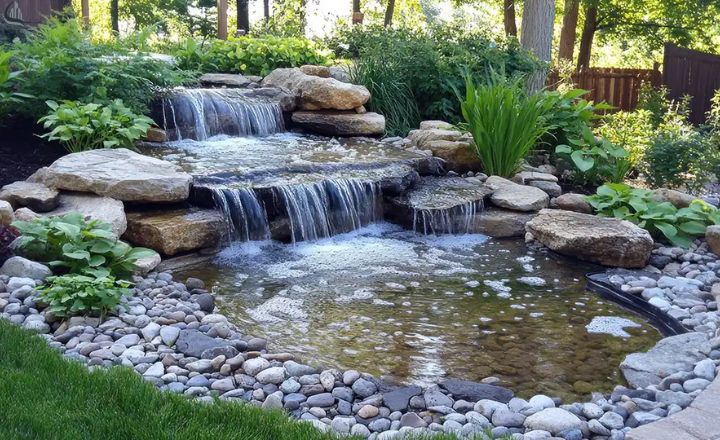
6. Plant Native Species for Landscaping on a Budget
Planting native species is an excellent way to achieve a beautiful garden without breaking the bank. Native plants are adapted to your local climate, meaning they require less watering compared to exotic varieties. Rainfall often provides enough moisture. Fertilizer use also diminishes when you incorporate native plants.
These species have evolved alongside the local soil and flora, making them well-suited to extract what they need without additional nutrients. With lower maintenance needs, native gardens do not demand constant pruning or chemical treatments. It’s a win-win: you get a stunning low-cost landscape while contributing to local biodiversity.
You can also explore landscaping without plants.
7. Purchase Inexpensive Plants
One of the best ways to enhance your yard without breaking the bank is to choose smaller plants. These pint-sized wonders can pack a punch in your landscaping when grouped, plus they often come at a fraction of the price.
Seasonal sales are another gold mine for budget-friendly gardeners. Many garden centers offer discounts at the end of a season to clear out inventory, so keep an eye out for those bargain deals. Connecting with local gardening enthusiasts can lead to fun exchanges of plants and cuttings. This method opens up a world of diverse plant options. Germinating seeds is a rewarding experience.
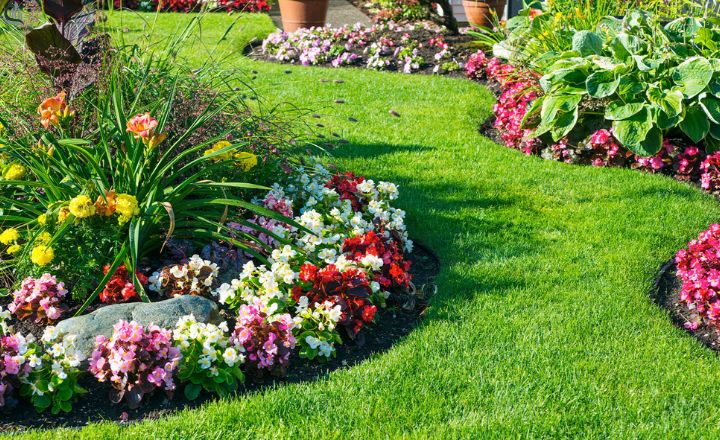
8. Conserve Water With Xeriscaping
By choosing water-efficient plants tailored to your local climate, you can significantly reduce water usage. Try to incorporate succulents or drought-resistant flowers that bloom vibrantly but need minimal attention. This shift not only conserves water but also reduces the time you spend maintaining your garden.
Reducing lawn areas is another clever strategy in small front yard landscaping. Consider replacing traditional grass with attractive ground covers or gravel pathways, which require less water and upkeep. Adding a layer of mulch around plants serves multiple purposes: it retains moisture, suppresses weeds, and adds a polished look to your garden.
9. Use Inexpensive Containers
Using inexpensive or recycled containers to make landscaping on a budget is a smart way to boost your garden’s health. When you choose containers with good drainage, you help ensure that plants receive the right amount of water, which elevates soil health and promotes lush growth. Options like old buckets, tin cans, and wooden crates can easily be transformed into attractive planters.
By mixing various materials and sizes, you can create a cohesive design. Colorful painted pots or rustic wooden boxes can act as focal points, A clean, organized look that feels stylish yet practical, all while keeping your landscaping on a budget and unique.
10. Save on Fertilizer With Compost
By building a compost bin, you’re taking kitchen scraps and yard waste and turning them into a rich, nutrient-filled resource for your plants. Not only does this cut down on the need for expensive fertilizers, but it also creates a great way to recycle everyday waste. With minimal materials like wooden pallets or wire mesh, you’ll have a handy bin.
But the benefits of composting go beyond just saving money. When you mix compost into your soil, you improve its texture and water retention, giving your plants a stronger foundation. Healthy plants, fed with homemade compost, can better resist pests and diseases.
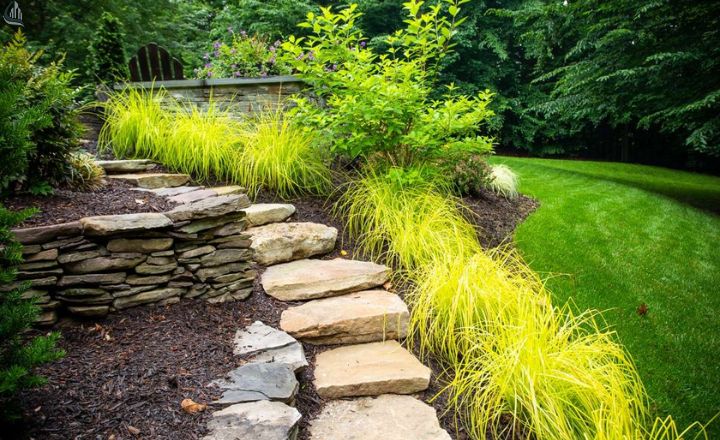
11. Reuse and Repurpose Materials for Landscaping
- Old bricks, for instance, can be cleaned up and arranged to create charming pathways that guide visitors through your garden. Simply lay them out, adjust for evenness, and you’ll have a rustic walkway. Pallets, too, can serve as lovely planters or even outdoor furniture.
- A bit of sanding and a coat of outdoor paint will turn that discarded wood into a vibrant focal point in your yard.
- Another great source for budget landscaping is stones, which can be collected from your own property or local sources. Using these stones, you can create natural borders for flower beds or use them in a rock garden design.
- Leftover construction materials, like cinder blocks, are also versatile; stack them creatively to form vertical gardens or even fire pits.
With just a bit of imagination and some sweat equity, you can craft unique DIY landscaping ideas that make your garden truly yours while keeping costs low.
Learn how to create a balcony garden.
Conclusion
Transforming your outdoor space on a budget is entirely possible with a little creativity and planning. By focusing on cheap landscaping ideas and choosing low-maintenance plants, you can create a beautiful environment that doesn’t strain your wallet.
Small changes, like adding gravel pathways or using potted plants, can make a big difference without causing financial stress. it’s all about prioritizing what works for your space and your budget. So, roll up your sleeves and start planning those affordable upgrades today.
FAQs
What is the cheapest way to landscape a yard?
The easiest and cheapest way to landscape is by using mulch and rocks. They cover the ground beautifully, reduce weeds, and need little maintenance. Plus, planting native plants or seeds can be cost-effective and add lovely colors.
How can I landscape my garden on a small budget?
Try starting with what you already have! Rearranging existing plants and adding a few annuals can freshen things up. You can also find inexpensive plants at local sales or swap with friends for a fun and budget-friendly makeover.
What are the best low-maintenance landscaping ideas that save money?
Consider using perennials, which bloom year after year without needing replanting. Drought-resistant plants, gravel paths, and ornamental grasses are also low-maintenance options that cut down on watering and upkeep costs.
Are native plants good for budget landscaping?
Absolutely! Native plants thrive in your local conditions, which means they’re usually more resilient and require less water and care. This saves money on water bills and maintenance while supporting local wildlife, too.
Can DIY landscaping really reduce costs?
Yes! DIY landscaping can significantly cut down on labor costs. By putting in the effort yourself, like planting, mulching, or building simple features, you can create a beautiful yard without breaking the bank.
What cheap landscaping ideas work best for small yards?
Using vertical gardens, container plants, or raised beds can make small spaces feel larger and more vibrant. Also, adding a simple seating area or a small fire pit can create a cozy vibe without spending too much.
How can I reduce water costs in landscaping?
Implementing drip irrigation, using mulch to retain moisture, and selecting drought-resistant plants can all help lower your water costs. Grouping plants with similar needs also allows for more efficient watering.
What inexpensive materials can I use in landscaping?
Look for reclaimed wood, used bricks, or even recycled materials from old projects. Things like gravel, wood chips, and local stones are not only budget-friendly but can also add unique charm to your garden.