

You know that the right kitchen layout can improve not just your cooking but your entire daily routine. Choosing the right kitchen layout types can save space, reduce daily effort, and improve how your home functions. From small apartments to family homes, each kitchen layout serves a specific purpose, and choosing the wrong one can lead to wasted space and poor workflow.
In this guide, you’ll learn how to choose the best kitchen layout for your home, understand the pros and cons of popular kitchen designs, and find out which layout works best for small kitchens, apartments, and family homes
How Lifestyle Affects Kitchen Layout Selection
Lifestyle plays a key role in choosing the right kitchen layout. If you cook daily, an efficient kitchen layout with a strong work triangle is essential. For large families, layouts with generous counter space and storage improve meal preparation and reduce congestion.
Homes that frequently host guests benefit from open kitchen layouts with islands or peninsulas that allow easy interaction. Meanwhile, compact homes and apartments often require space-saving kitchen layouts that combine functionality with smart storage solutions.

Kitchen Work Triangle
The kitchen work triangle is a fundamental concept in kitchen design that enhances efficiency and workflow. This design principle focuses on the strategic placement of the sink, stove, and refrigerator, creating a triangular layout that minimizes unnecessary movement.
In an efficient kitchen layout, the distance between these three key areas should be neither too far nor too close, allowing chefs to transition smoothly between tasks. For instance, a straight-line kitchen layout can work well in smaller spaces, while a galley kitchen layout maximize functionality by keeping the triangle compact and accessible.

Popular Kitchen Layout Types
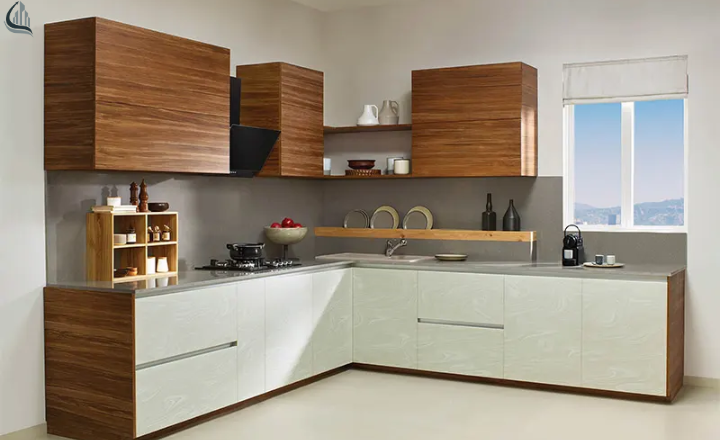
When exploring different kitchen layouts, the L-shape design stands out as a highly efficient choice. This layout features two walls perpendicular to each other, creating an open space that maximizes workflow. Great for smaller homes, the L-shape allows for easy movement between cooking, prepping, and cleaning areas.
Lastly, the U-shape layout wraps around three walls, offering ample storage and counter space. Ideal for larger kitchens, it creates a cozy workspace while keeping everything within arm’s reach, striking a balance between space and efficiency.
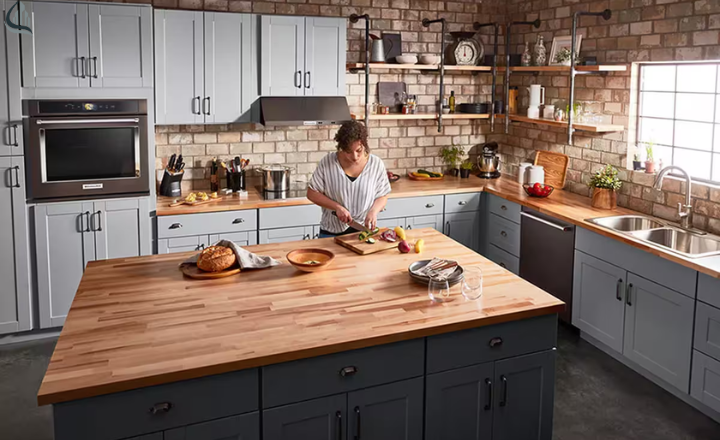
U-shape kitchen
The U-shaped kitchen layout is renowned for its exceptional storage efficiency and generous counter space. By utilizing three walls, this design allows for ample cabinets and drawers, making it easy to store all your kitchen essentials within reach. This design also promotes a smooth workflow, as the strategic arrangement of the stove, sink, and refrigerator forms an efficient triangle, minimizing unnecessary steps.
It’s particularly ideal for families or avid cooks who appreciate the need for organization and space in their kitchen plans. With its efficient kitchen layouts, this design meets the demands of busy lifestyles.
Pros of a U-Shaped Kitchen:
- Offers maximum counter and storage space
- Creates an efficient work triangle
- Works well in small to medium kitchens
- Keeps the kitchen organized and functional
Cons of a U-Shaped Kitchen:
- Can feel closed or cramped
- Limited movement for walk-through kitchens
- Corner cabinets can be hard to access
- Less open for social interaction
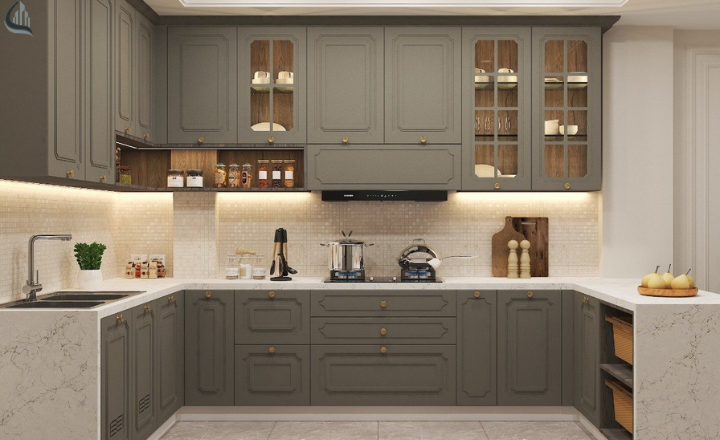
L-shape kitchen
The L-shaped kitchen layout is a fantastic choice for small to medium spaces.Its unique shape allows for distinct cooking and dining zones, making the most of every square inch. The beauty of an L-shape kitchen design lies in its flexibility; you can easily incorporate an island or a breakfast bar, creating additional workspace and seating.
Moreover, in an open-plan setting, the L-shaped configuration encourages easy movement and interaction. The design naturally invites a flow between the kitchen and living areas, perfect for socializing while cooking.
Pros of L- Shaped Kitchen
• Ideal for small to medium kitchens
• Supports open-plan living
• Allows easy island addition
Cons of L- Shaped Kitchen
• Limited counter space compared to U-shaped kitchens
• Corner storage may require smart solutions
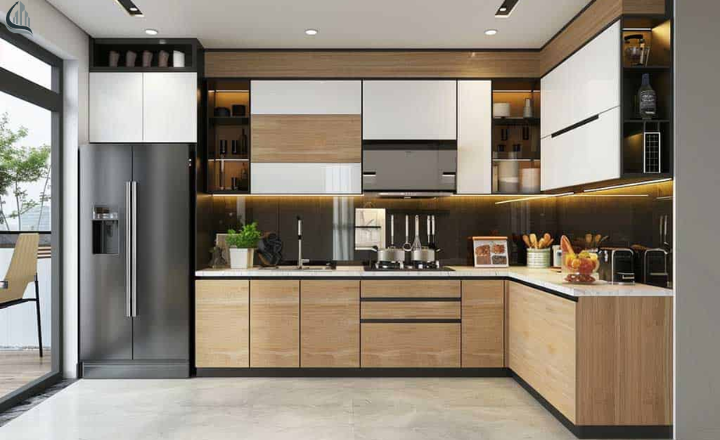
Straight-line Kitchen
A straight-line kitchen, often called a one-wall kitchen layout, is a stellar choice for compact homes and apartments. This design places all essential elements, such as the stove, sink, and refrigerator, along one wall, maximizing efficiency in smaller spaces. By consolidating everything linearly, the straight-line kitchen promotes a smooth workflow.
One of the main advantages of this layout is its simplicity. Reducing the number of corners and pathways creates a more open atmosphere, making it easier to incorporate other small open kitchen design ideas. This layout works best without an island and suits studio apartments or narrow spaces.
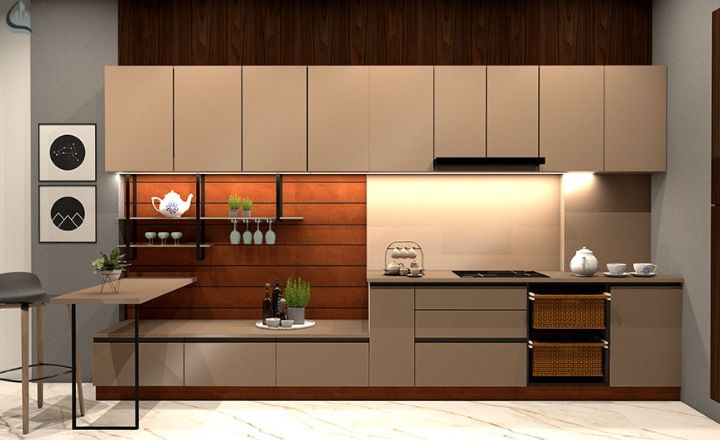
Galley Kitchen
A galley kitchen layout is celebrated for its high efficiency and streamlined workflow. With parallel counters facing each other, this design maximizes every inch of narrow spaces, making it ideal for urban living or smaller homes.
For those exploring compact kitchen layouts, a galley kitchen often shines in its adaptability. From sleek cabinetry to modern appliances, this design blends style and utility without compromising space.
Pros of a Galley Kitchen
- Highly efficient layout with minimal movement
- Ideal for small or narrow spaces
- Maximizes wall storage and cabinetry
- Easy to keep organized and clutter-free
Cons of a Galley Kitchen
- Can feel tight or enclosed
- Limited space for multiple users
- Less room for dining or socializing
- Requires good lighting to avoid a dark look
Best for:
• Narrow spaces
• Apartments
• Single-cook kitchens
Explore our complete guide to kitchen accessory ideas for better organization.

Peninsula kitchen layout type
A peninsula kitchen layout is ideal for homes that need extra counter space but lack room for a full island. Unlike an island kitchen, which stands alone in the center of the room, a peninsula is attached to a structure.
- One of the key benefits of a peninsula layout is the added counter space, perfect for meal prep or serving.
- It also offers extra storage beneath the countertop and can even incorporate built-in seating, creating a cozy dining area.
- For an even more functional design, consider adding pendant lighting above the peninsula and incorporating pull-out shelves or drawers for easy access to kitchen tools.
Best for cozy family dinners or casual breakfasts, a peninsula kitchen layout enhances both form and function. This setup fosters connection and activity, turning cooking into a shared experience rather than a solitary task.
Modular Kitchen Layout Options
Here are modular kitchen layout designs:
Open Modular Kitchen Design
An island modular kitchen design stands out for its versatility and functionality. In an open modular kitchen design, the island often serves as a central hub for both cooking and social interaction. This not only enhances the modern modular kitchen‘s appeal but also encourages family and friends to gathering.
The beauty of an open kitchen layout lies in its transparency and flow. With fewer barriers, a well-planned island modular kitchen design facilitates easy movement between cooking and entertaining areas. A modern modular kitchen becomes the heart of the home, where culinary creativity and social engagement thrive together.
Parallel Modular Kitchen Design
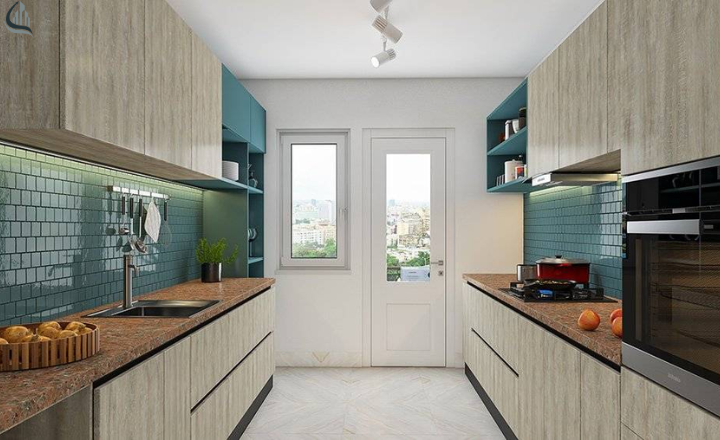
The parallel modular kitchen layout, often referred to as a galley kitchen, is a smart choice for medium-sized homes. With essential appliances, storage solutions, and work areas directly across from each other. Home cooks can enjoy the convenience of quick access to ingredients and pots.
The narrow shape allows for vertical storage solutions, such as tall cabinets and open shelving, which can store everything from spices to cookbooks. This is particularly important in medium-sized homes where space is at a premium. By focusing on a functional modular kitchen design, homeowners can ensure that every inch is utilized effectively.
Read about how to separate the bedroom and the kitchen.
Common Kitchen Layout Mistakes to Avoid
Ignoring the Work Triangle: Placing sink, stove, and fridge too far apart or too close reduces efficiency.
Overcrowding the Space: Too many cabinets or appliances can make kitchens feel cramped.
Choosing the Wrong Layout for Space: U-shaped kitchens in tiny rooms or peninsula kitchens in narrow kitchens can limit movement.
Neglecting Lighting: Poor lighting in galley or straight-line kitchens makes the space feel dark and uninviting.
Not Considering Storage Needs: Failing to plan vertical and hidden storage leads to clutter.
Overlooking Social Interaction: Layouts that isolate the cook prevent easy interaction with family or guests.
Skipping Future Needs: Not factoring in lifestyle changes (kids, entertaining, storage) can make the kitchen obsolete sooner.
Conclusion
The right kitchen layout types play a crucial role in its overall functionality, movement, and daily usability. Each design, be it U-shaped, L-shaped, galley, straight-line, or modular, offers unique benefits tailored to different lifestyles.
A well-thought-out kitchen not only promotes efficiency but also creates a comfortable atmosphere that reflects your personal style. When choosing a layout, consider how it aligns with your everyday needs, and allow your space to evolve. Transform your kitchen into a place where both function and beauty coexist.
FAQs
1. What are the different types of kitchen layouts?
There are several popular kitchen layouts, including the galley, L-shaped, U-shaped, island, and open concept. Each has its unique design, catering to different cooking styles and space availability.
2. What are the 5 types of commercial kitchen layouts?
The five main types of commercial kitchen layouts are: assembly line, island, zone-style, open kitchen, and cafeteria. Each layout serves different operational needs, enhancing workflow and efficiency.
3. What are the 4 layout features?
The four key features of a kitchen layout include the work triangle, storage solutions, the flow of movement, and the location of appliances. These elements help create a functional and organized cooking space.
4. How many kitchen layouts are there?
While there’s no strict total, common designs generally encompass around 5 to 7 primary layouts, each offering various configurations to suit different homes and cooking preferences.
5. What is the kitchen triangle rule?
The kitchen triangle rule suggests that the stove, sink, and refrigerator should form a triangle to optimize workflow. Ideally, the total distance between these points should be between 12 and 26 feet for efficiency.
6. What is the golden rule of kitchen design?
The golden rule of kitchen design emphasizes functionality and flow. It suggests creating a space that enhances ease of movement and access to essentials, making cooking a delightful experience.
7. What is a 10×10 kitchen?
A 10×10 kitchen refers to a kitchen that measures 10 feet by 10 feet, often used as a standard measurement in design planning. It gives a good sense of space for layouts and cabinets.