
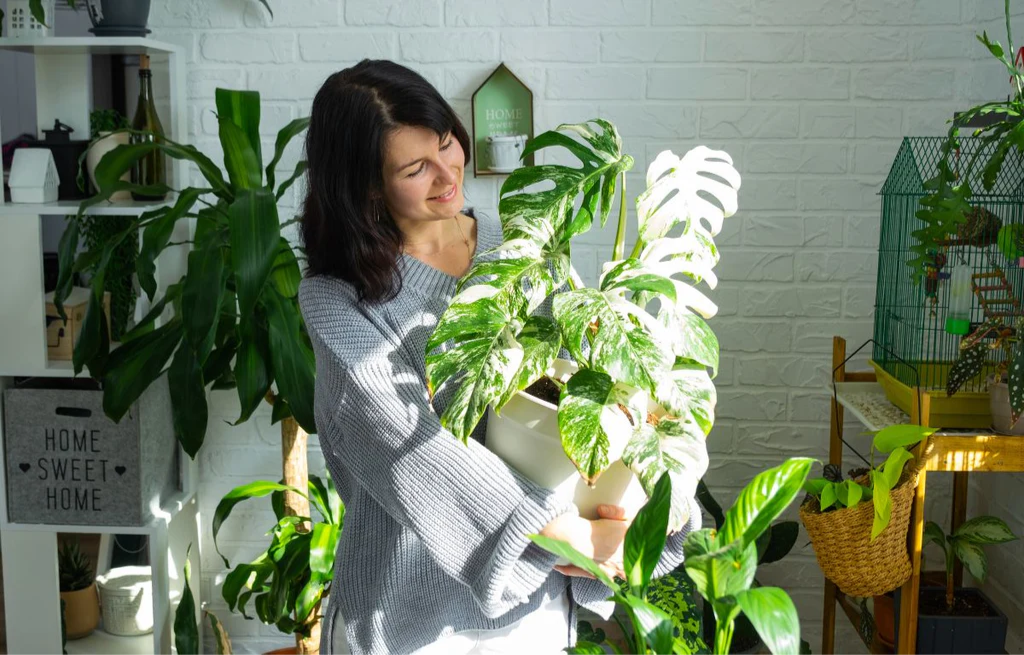
There’s something magical about bringing a bit of nature into your interior design. Whether it’s a tiny cactus on your desk, a tall fiddle leaf fig in the corner, or indoor plants, they make any space feel alive, fresh, and comforting. Greenery has become more than just a decorative element; it’s essential for our overall well-being.
When I first started adding plants to my home, I noticed they could change the atmosphere, not just visually, but emotionally as well. Over time, I’ve learned which plants thrive in low light, which require a little extra care, and how to keep them happy.
In this ultimate guide to indoor plants, I’ll walk you through everything you need to know, from selecting the right plants for your space to maintaining their health so you can enjoy a greener, more peaceful home without feeling overwhelmed.
What are indoor plants?
Indoor plants are plants that thrive in indoor environments, such as homes, offices, or other closed spaces. They don’t need direct sunlight or open soil like outdoor plants; they can flourish in pots, containers, or decorative planters. These plants are chosen not only for their beauty but also for their ability to improve air quality and bring a natural, calming touch to your space.
How do you plant indoor plants?
Planting indoor plants can be a delightful experience.
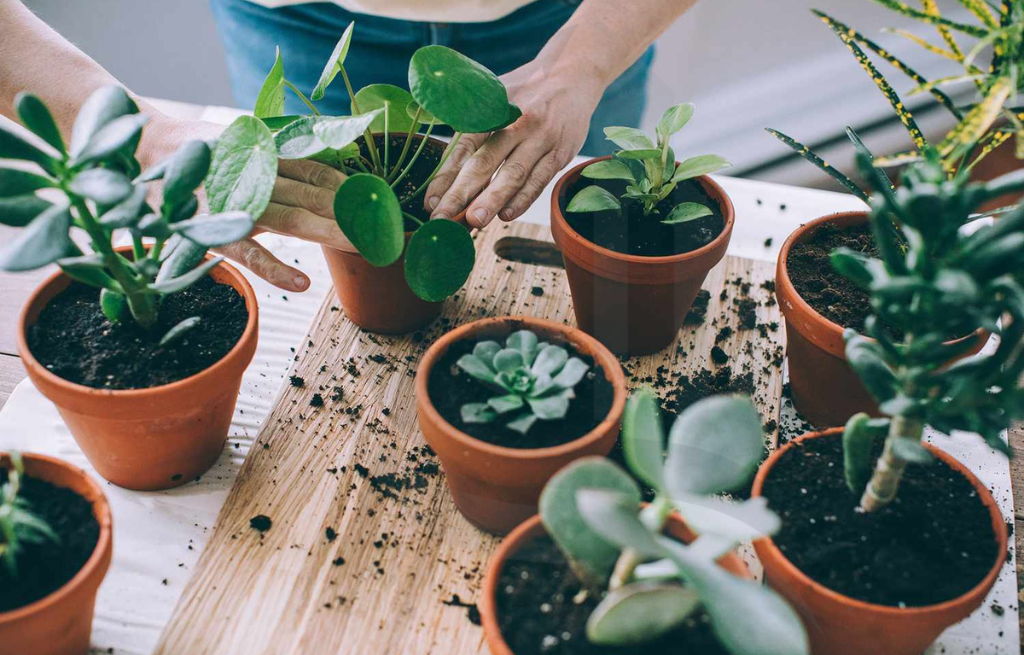
- Start by choosing the right pot. Make sure it has drainage holes. This helps prevent root rot and keeps your plants healthy. Fill the bottom with small stones for extra drainage.
- The next step is to pick a high-quality potting mix. This stimulates your plant, providing essential nutrients. When placing the plant in the pot, leave some space at the top to allow for growth.
- This allows for easy watering and promotes good airflow. Don’t forget to break apart the roots if they are tightly bound, but do so gently.
- Finally, position your indoor plant based on its light needs. Some love bright, indirect light, while others thrive in shade.
- Rotate your plant occasionally to ensure even growth. With care and attention, you’ll watch your indoor garden flourish.
How much light do indoor plants need?
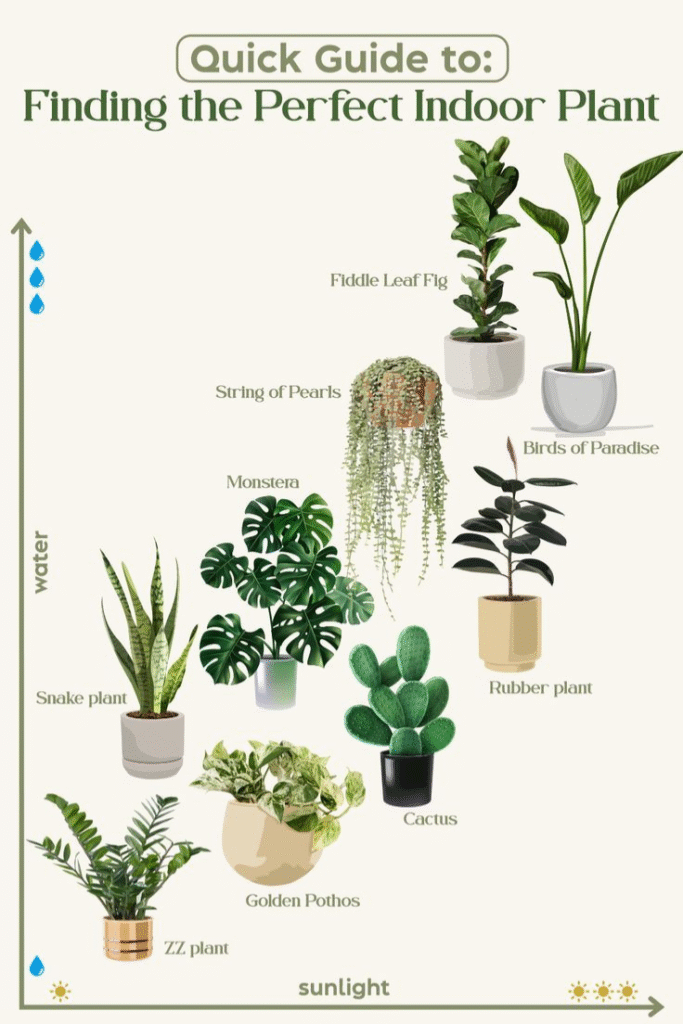
Knowing how much light your indoor plants need can feel tricky. Some plants flourish in bright light, while others prefer a cozy, dim spot. Succulents thrive in the sun and require at least six hours of bright, indirect light daily. On the other hand, ferns need low light and can even suffer from direct sunlight.
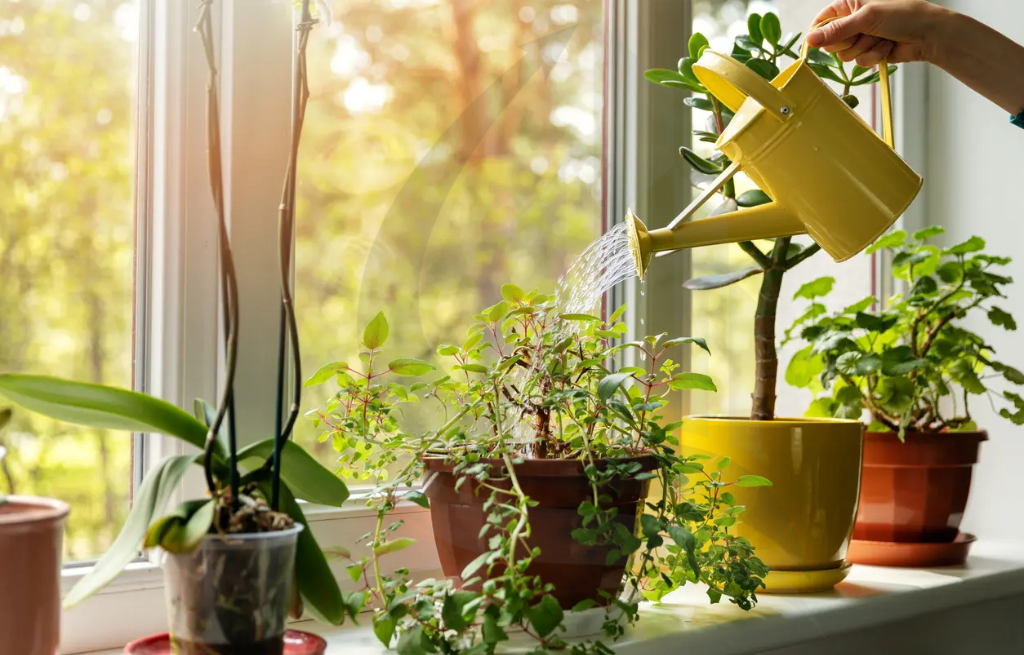
Observe your plant’s growth to find the right spot. If it grows leggy or pale, it might be seeking more light. But if the leaves scorch or turn yellow, it could be getting too much. Remember, no plant wants to be in the dark or sunburnt. Finding that sweet spot makes all the difference in creating a lush indoor oasis.
What qualities make for a good indoor plant?
A good guide to indoor plants is the following:
- It can flourish with minimal care and adapt to your home’s light, temperature, and humidity.
- It needs a sturdy root system. This allows it to absorb water and nutrients efficiently. Look for plants with healthy, white roots.
- Disease-resistant plants should be good. Healthy plants rarely show signs of pests or infections. If a plant appears vibrant and healthy, it’s likely a good choice.
- Finally, choose varieties that match your lifestyle and décor, for example, hanging plants for small spaces or leafy ones to make a room feel more vibrant.
In short, a good indoor plant should be beautiful, easy to care for, ideally suited to your environment, and bring calm and freshness into your space.
Which indoor plants require low light?
Low-light indoor plants can create a lush oasis in even the dimmest corners of your spaces.
The following are the plants that can grow in low light:
Philodendron: Philodendrons adapt well to dim environments. This hardy plant features glossy, heart-shaped leaves that add a touch of green to any space.
Peace Lily: Another great option is the peace lily. It purifies the air and blooms with beautiful white flowers. This plant prefers indirect sunlight and actually does well in shade.
Devil’s Ivy: Don’t overlook Pothos, commonly known as Devil’s Ivy. This trailing vine can grow in almost any light condition, but it shines best in low light.
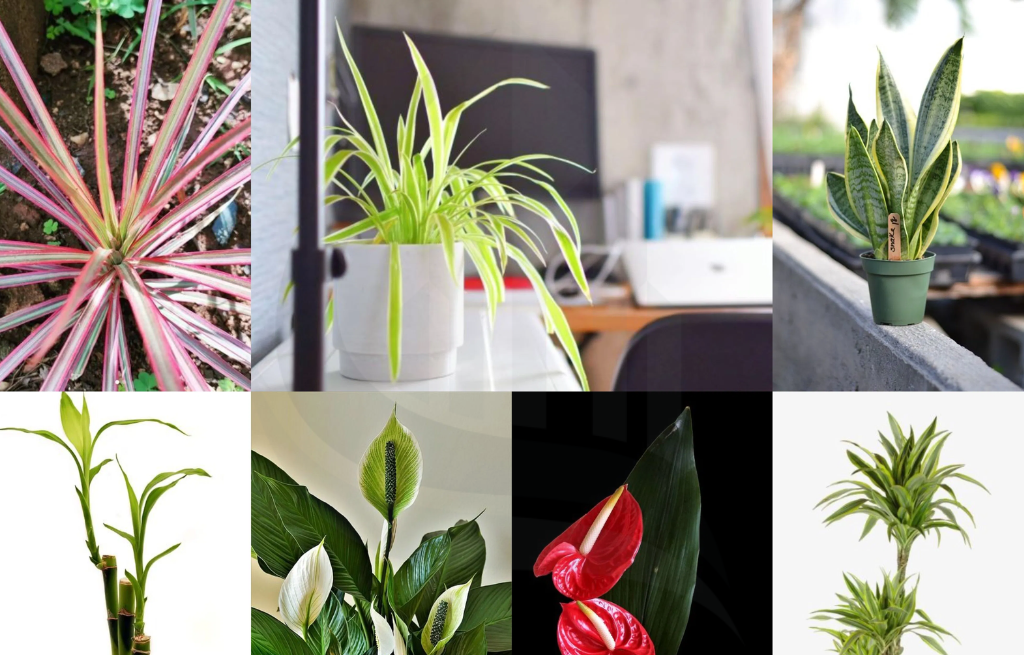
The snake plant, also known as Mother-in-Law’s Tongue, is a top pick. This hardy plant not only survives in low light but also purifies the air, making it a win-win for any home.
ZZ Plant: Another fantastic option is the ZZ Plant. The ZZ Plant thrives in low-light conditions and requires very little water.
Which indoor plants are the easiest to take care of?
Here is a list of indoor plants that are easiest to take care of:
- Peace lily
- Sansevieria
- Philodendron
- Most succulents
- Pothos
- ZZ plant
- anthurium
- Christmas Cactus
- Amaryllis
- Phalaenopsis Orchid
- Lipstick plant
- Flowing maple
- Hibiscus
- Bromeliad
- African violet
Which plants are considered indoor plants?
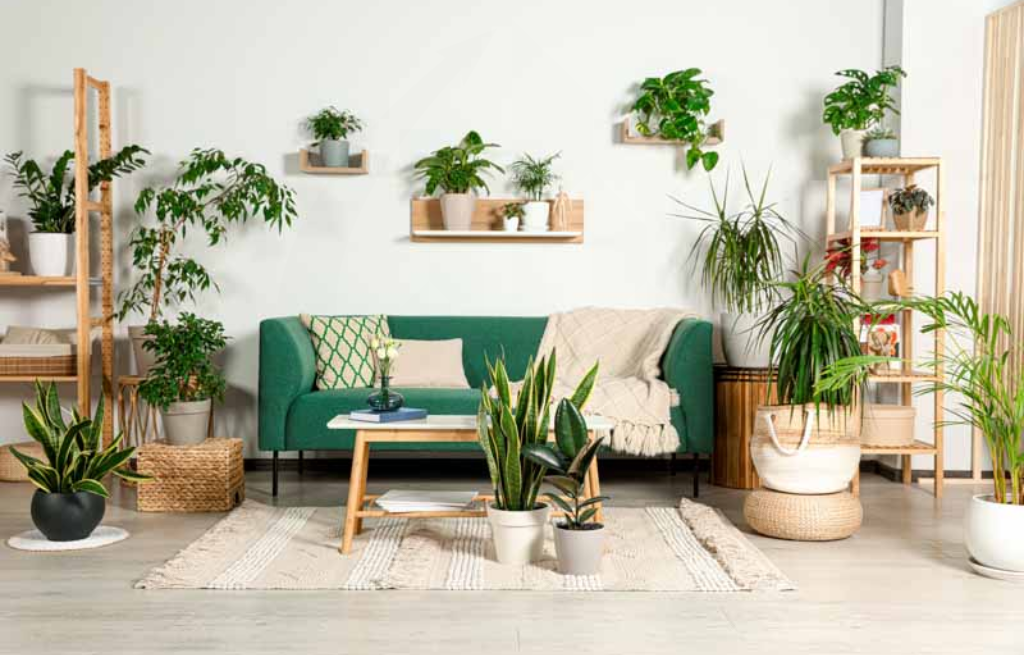
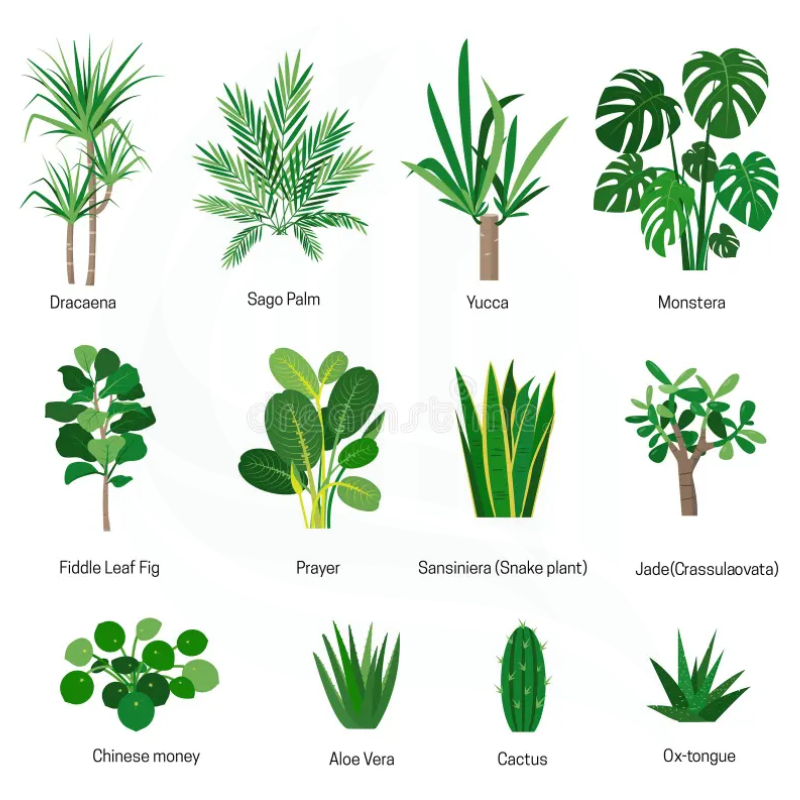
Indoor plants come in a variety of shapes and sizes, adding life and vibrancy to your home. Resilient pothos, known for its heart-shaped leaves that trail beautifully, and the snake plant, which is nearly impossible to kill.
Tillandsia don’t even need soil to grow. These unique plants absorb moisture and nutrients from the air. A peace lily has lovely white blooms and air-purifying properties.
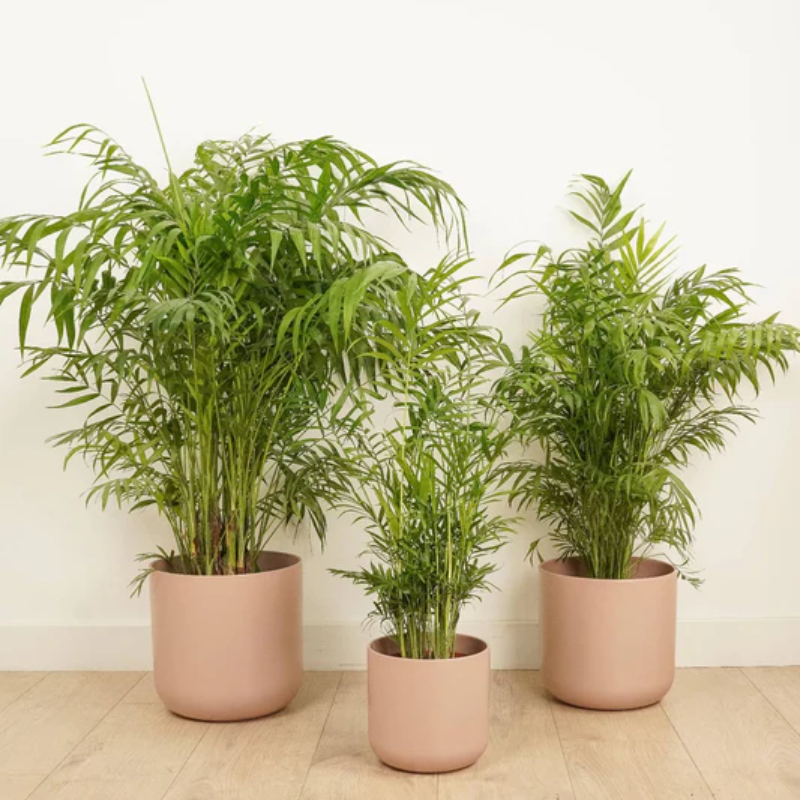
A fiddle-leaf fig is a bold statement piece that can elevate any room’s décor. Succulents are small, stylish, and great for sunny windowsills. Spider plants flourish almost anywhere and grow cute baby shoots. Areca Palm adds a tropical feel and helps clean the air.
How do you re-pot indoor plants?
If you’ve ever noticed your plant looking a little tired, leaves drooping, soil drying too fast, or roots sneaking out from the bottom, it might be asking for a new home.
I still remember the first time I repotted my snake plant. I was nervous about breaking a leaf, but it ended up thriving like never before.
Here are some steps you can take:
Water it and let it rest: please give it a nice drink and let the excess water drain. Keep the plant in a shaded spot for a few days to allow it to adjust before returning it to its usual place.
Pick the right pot: Choose one that’s about one or two inches larger than the current pot. Make sure it has a drainage hole; your plant needs a way to breathe.
Use fresh soil: choose a good-quality potting mix. For example, succulents thrive in sandy soil, while leafy plants prefer a rich, moisture-retaining soil.
Gently loosen the roots: remove the plant from its old pot and gently shake off any excess soil. If the roots are tangled, gently use your fingers to separate them. It helps them grow freely.
What are some of the common reasons indoor plants die?
Overwatering is one of the most common pitfalls for indoor plant parents. It’s crucial to check the top inch of the soil; if it feels soggy, hold off on watering.
Another sneaky culprit is insufficient light. If you notice yellowing leaves or stunted growth, your plant might be begging for more light. On the other hand, some plants can suffer from sunburn if exposed to direct sunlight for too long; therefore, finding the right balance is crucial.
Finally, pests can wreak havoc on your indoor oasis. Tiny invaders, such as spider mites or aphids, often go unnoticed until they cause significant damage.
How long do indoor plants typically live?
Many indoor plants can live for years, even decades, if they’re cared for properly. Some smaller plants like succulents or peace lilies, can last around 3 to 5 years. But long-lived varieties like snake plants, rubber plants, and ZZ plants can last for 10 to 15 years.
Which interior plants improve air quality the most?
Mostly plants act as air purifiers. Here are some of them
- Red-Edged Dracaena
- Weeping Fig
- Bamboo Palm
- Snake plant
- Peace lily
- Aloe vera
- English Ivy
- Boston Fern
- Golden Pothos
- Rubber plant
- Areca palm
- Bambo palm
- Weeping fig
How do indoor plants affect people’s moods?
Indoor plants have a unique way of lifting our spirits. Research indicates that the presence of greenery can help alleviate feelings of stress and anxiety. Just seeing vibrant leaves and colourful flowers can spark joy and create a sense of calm in our busy lives.
Taking care of these plants, watering them, pruning them, or just watching them grow can also give one a sense of fulfilment and purpose. This experience not only elevates your environment but can also evoke happy memories, creating a comforting atmosphere.
Are indoor plants expensive?
When considering indoor plants, prices can vary widely depending on several factors. Some plants, like simple succulents or snake plants, can be pretty affordable, often costing less at local garden centres.
The way you source your plants can affect the cost. Buying from local nurseries or farmers’ markets often offers more reasonable prices compared to high-end boutiques or online retailers. Growing plants from cuttings or seeds can be economical.
What is the best kind of indoor plant fertilizer to use?
When it comes to indoor plant fertilizers, understand your plants’ specific needs. You will use less fertilizer for indoor plants than for those outside, so use the rate specified for indoor plants. Most houseplants do well with a balanced, all-purpose fertilizer that contains equal parts of nitrogen (N), phosphorus (P), and potassium (K).
Here’s what works best depending on your routine:
Organic options: compost tea, worm castings, or seaweed extract are gentle and environmentally friendly.
Liquid fertilizer: Easy to mix with water and perfect for regular feeding every few weeks.
Slow-release granules: Ideal if you prefer low maintenance. They feed your plants gradually over time.