
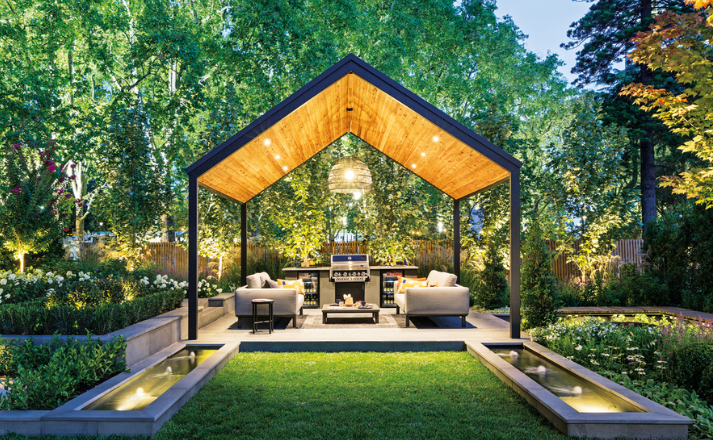
Designing a beautiful garden from scratch can boost your mood and reduce stress. A beautiful garden is not just about adding plants and pathways; it’s about creating harmony between space, texture, light, colour, and emotion.
Your garden tells a story of balance, warmth, and growth. Over time, you’ll shape a space that’s uniquely yours, elegant, and beautifully balanced between nature and design. You’ll notice that what gives you peace and joy is how each corner comes alive as the seasons change.
So, if you’re ready to dig in, here are easy and inspiring steps on a budget to help you design your dream garden, a little patch of paradise that reflects your style and makes every day feel like spring.
Before you start: Make a wishlist
Before you start to design a beautiful garden, it’s essential to make a wishlist. Think about what type of garden you want to create. Write down the plants and features you dream of, like a cozy seating area, vibrant flowers, or even a small water fountain. This wishlist helps clarify your vision and ensures your garden reflects your personality and style.
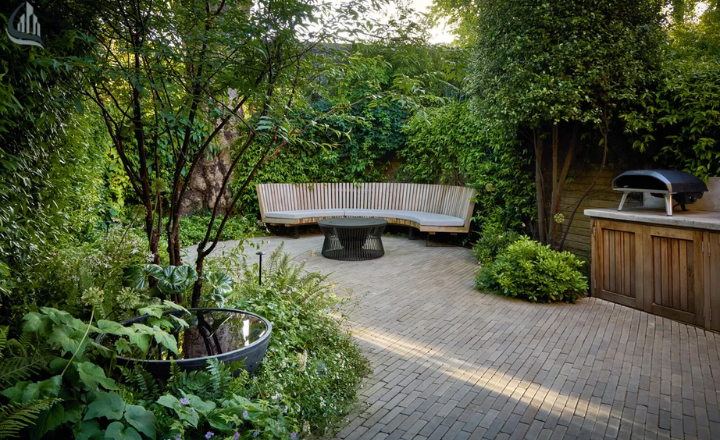
Next, consider the layout. Break it down into zones, such as entertainment areas, relaxation spots, and vegetable patches. Use natural pathways to guide the eyes and feet through the garden. Remember, incorporating layers like tall plants at the back and shorter ones in front creates a beautiful depth and keeps the scenery interesting.
Start with a comfortable sitting place. If you’re lucky enough to face the sunset, try to design your fence yard layout so that the light catches your plants and adds a warm, golden glow to your evenings.
You need a space for storage. Just think practically, too. It should have a tiny garden shed. Maybe you’d like a vegetable patch, a flower border, or a space for weekend parties.
Consider the soil
When designing a beautiful garden from scratch, one of the most crucial steps is to consider the soil. Healthy soil is the foundation of any thriving garden. Begin by testing the pH and nutrient levels to determine what your garden may need. If your soil has poor drainage or lacks vital nutrients, consider adding organic compost or well-rotted manure to enrich it.
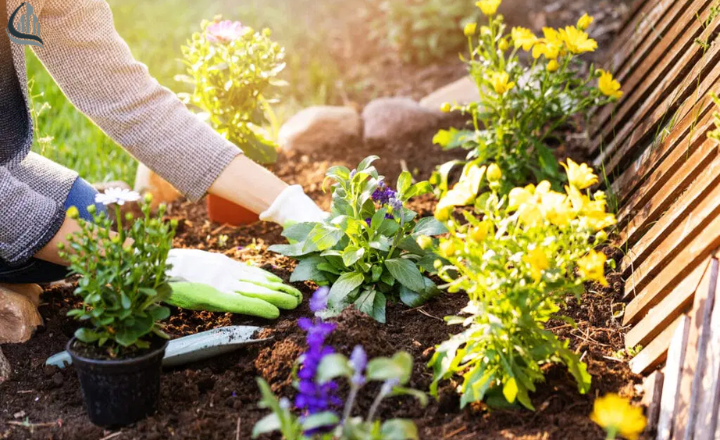
Next, think about the layout and structure of your garden. Create zones for different types of plants, such as tiny flowers, herbs, and vegetables, to maximize both aesthetics and functionality. Use paths to guide visitors through the space, and consider adding raised beds for easier management.
Style: The formal garden
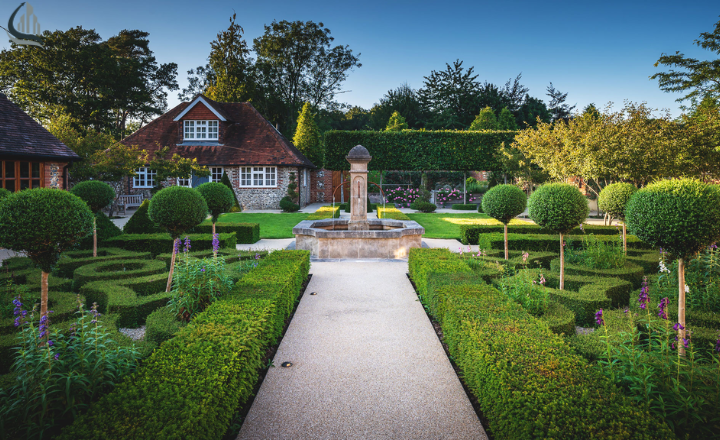
A formal garden layout is a testament to order and elegance, showcasing the beauty of symmetry and structure. In a well-designed space, pathways and flower beds are meticulously aligned, creating a harmonious flow.
The beauty of the formal garden lies in its symmetry, and a formal garden design might be the perfect match for you. Defined by symmetry, geometry, and balance, this style has charmed garden lovers for centuries.
- Use plants and pathways to create distinct areas, guiding the eye to focal points like statues or water features. This structured approach not only attracts the eye but also gives a sense of calm and order.
- Choosing the right plants is crucial in a formal garden. Select shrubs like boxwood or lavender to create elegant borders.
- Plant seasonal blooms like tulips or hydrangeas in neat rows for pops of colour. Don’t forget to add the seasons in your design, ensuring that something is always in bloom.
- For a decorative touch, add classic garden accessories, like containers or stone benches, to create inviting spaces. By focusing on these elements, your garden will transform into a timeless retreat that reflects your personal style.
- Even in smaller spaces, you can capture this beautiful style. Choose potted boxwood, rose borders, or gravel pathways, fountains, and sculptures to bring structure without losing warmth.
- Use a calm color palette of soft greens, whites, and blush tones to maintain an elegant ambiance.
This approach gives the garden a refined appearance, allowing each plant to shine while contributing to the overall design. By embracing symmetrical garden design, you can effortlessly create a beautiful space that feels timeless and appealing, blending nature’s charm with human artistry.
The informal garden
Informal garden design invites creativity and a sense of serenity into outdoor spaces. Flowing shapes that mimic the organic lines found in nature allow plants to blend and create a harmonious landscape. Cottage garden style exemplifies this approach, where diverse plantings thrive together without rigid order.
- If you want a garden that feels relaxed, romantic, and full of life, then the informal garden design is perfect for you.
- Start by choosing a variety of plants according to your senses. Mix flowers, herbs, and vegetables for both aesthetic appeal and practical use. Don’t worry about strict lines or symmetry; let the plants flow and mingle naturally.
- Next, consider the layout of your garden. Use curves instead of straight lines to guide the eye and create a sense of movement.
- Pathways made from stepping stones or rocks can enhance the informal feel while also providing access to different areas.
- Remember, the key to an informal garden is to focus on spontaneity; let your garden evolve and surprise you over time.
- Think of wildflowers, climbing roses, lavender, and ferns weaving together in a mix of colors, textures, and scents. Every part of the garden feels alive and a little bit whimsical, like nature’s art.
- Select a variety of seasonal flowers, soft shrubs, and lush greenery to create depth without adhering to a strict order.
- This style is ideal for small backyards or cottage-style gardens, where charm is achieved by layering plants and allowing them to grow naturally.
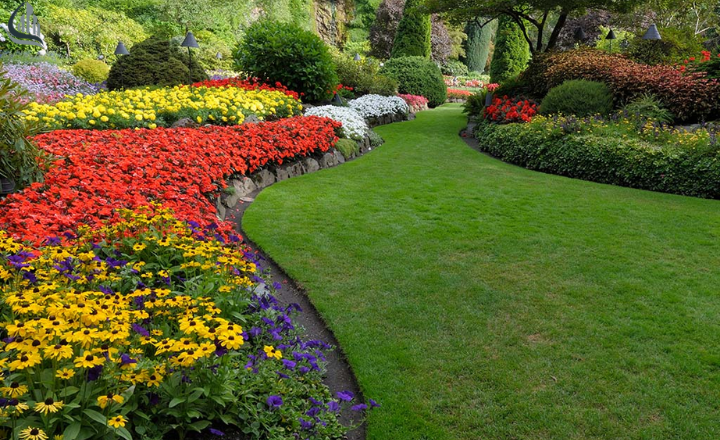
Structure to Design a Beautiful Garden
No matter what garden style you choose, formal, informal, or a mix of both, structure is what makes your space wonderful. Start by observing the patterns of sunlight in your space. This guide will help you select the right plants for sunny or shaded areas. Create zones within your garden, such as a vegetable patch, a flower bed, and a relaxation area.
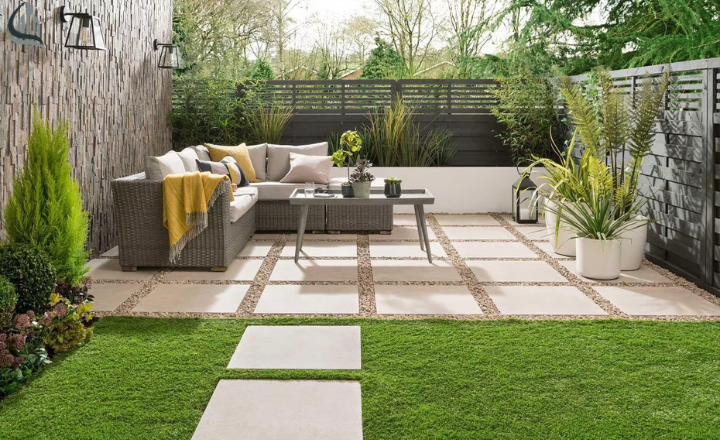
Each section should serve a purpose, making the garden not just beautiful but also functional. As you plant, consider creating layers with tall plants at the back, medium ones in the middle, and shorter ones in the front, so every plant gets its moment to shine.
Topiary(decorative shapes)
If you practice topiary in your yard, you’ll end up with shrubs and borders. Topiary refers to the art of cutting bushes into forms that bring timeless beauty. If you have a small balcony garden, then topiary adds structure, symmetry, and charm that lasts all year round.
- Start with simple shapes, such as spheres, cones, or cubes, and then progress to more advanced designs, like spirals, animal shapes, or obelisks. Use topiary frames to guide you, perfect for beginners.
- Cut lightly but frequently; this helps the plant to grow equally. Avoid overcutting. It’s better to trim in small sessions every few weeks.
- Topiary plants need consistent moisture, but hate flooded soil. Add compost or organic materials to retain hydration and provide nutrients.
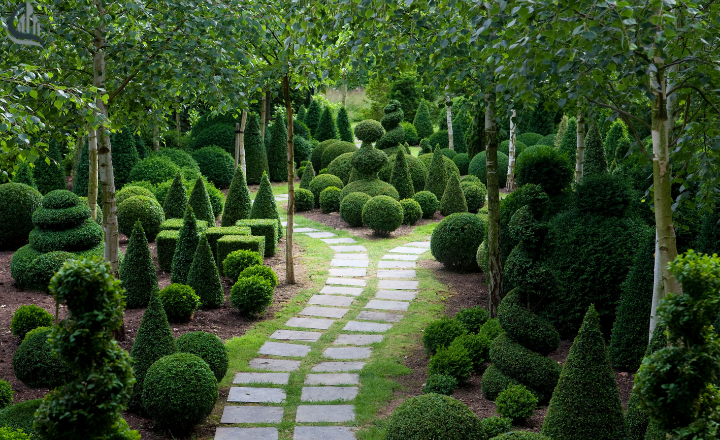
Pathways
The materials you choose for your pathways can transform the atmosphere of your garden. Visualise winding pathways that guide friends and family through your garden, inviting them to explore different areas. These paths can be made from natural materials like stone or wood, enhancing both functionality and aesthetics.
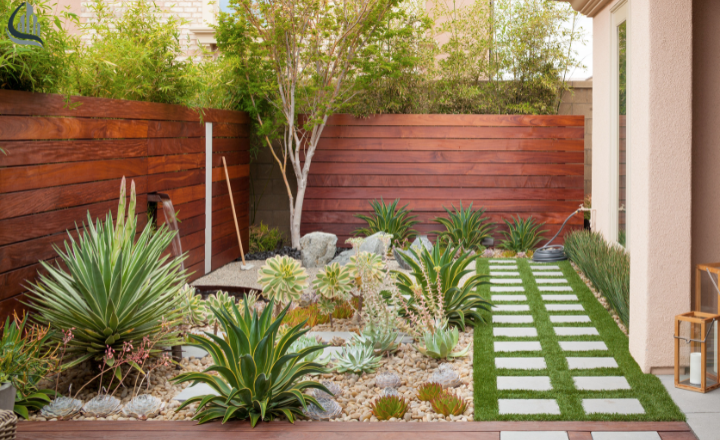
For a budget-friendly yet stylish option, consider using materials like gravel, stepping stones, or repurposed bricks. These are easy to install and add a soft, natural texture. Next, think about layering your plants. Use taller plants at the back of your garden beds, with shorter ones in the front, to create depth and a sense of movement.
Basic elements of the garden: Grass
A garden isn’t just a patch of land; it’s a living space that welcomes us into nature’s embrace. At the heart of this beautiful creation are the basic elements: grass, flowers, and foliage. Grass serves as the foundation, providing a soft, welcoming carpet beneath your feet. It plays a vital role in supporting the ecosystem by attracting pollinators and encouraging healthy soil.
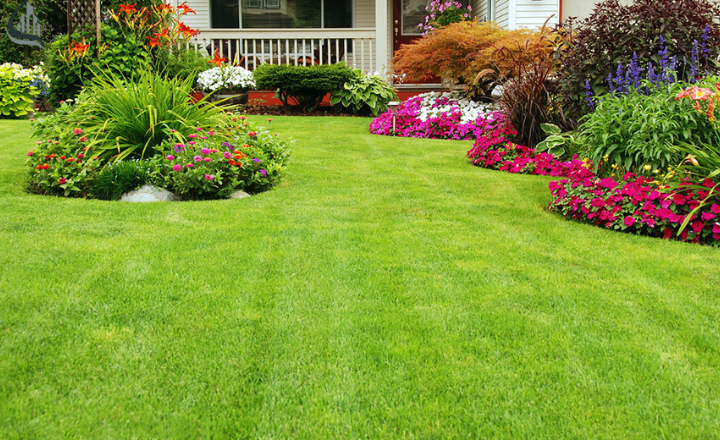
If you have extra space, try mixing short lawns with meadow-like areas. Some parts of your grass grow longer, and plant them with bulbs and wildflowers like snowdrops, crocuses, tulips, alliums, and even roses. Over time, this creates a magical meadow that feels natural and low-maintenance.
Containers
Containers offer flexibility and creativity, allowing you to plant anywhere, from your balcony to your backyard. Experimenting with different heights can add dimension; taller plants in the back and cascading flowers in the front create a stunning visual impact.
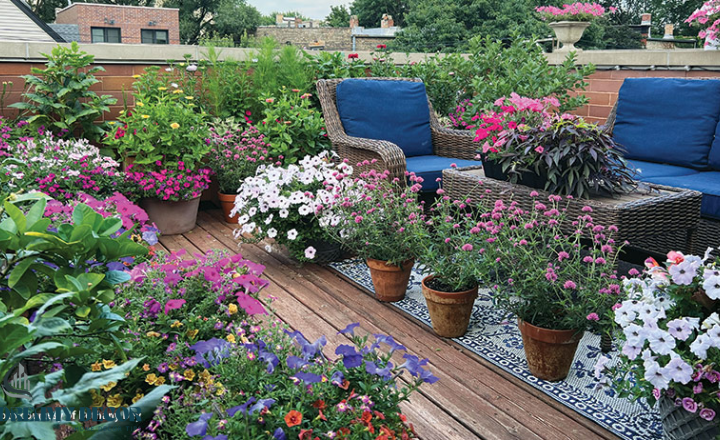
Consider mixing herbs and vegetables in decorative containers for a personal touch. You can use terracotta pots, ceramic planters, wooden boxes, or even recycled containers. Not only do they beautify your space, but they also provide fresh ingredients for your meals.
Plus, container gardening can make maintenance easier. It reduces the need for weeding and offers greater control over soil quality, resulting in healthier plants. With a bit of planning, you can transform any area into your own paradise, using containers as your canvas to paint a lush, inviting scene.
Water
Water is the lifeblood of any garden. You don’t need a large pond to enjoy the beauty of water. A simple bird bath, mini fountain, or small bowl pond can create the same relaxing effect. The gentle sound of a trickling fountain or the soft splash of water droplets on leaves after a refreshing rain.
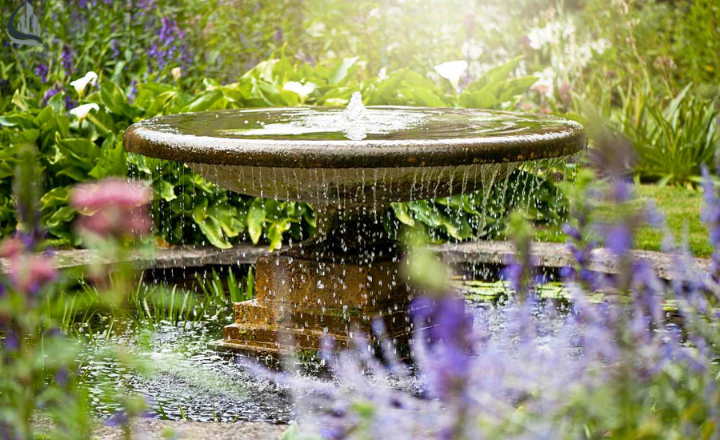
When designing a garden, consider how water features can enhance its beauty and health. Water adds magic to a garden, with the gentle sound of trickling, the soft reflections, and the feeling of calm it brings. Even a small water feature can completely change the mood of your outdoor space, turning it into a peaceful retreat.
If you have more space, consider adding a pond edged with stones or flowering plants like water lilies, irises, or lotus. These not only look stunning but also attract birds, butterflies, and dragonflies, bringing your garden to life.
Growing fruit, vegetables, and herbs
Growing edible gardens in your landscape not only enhances your outdoor aesthetics but also cultivates a sustainable lifestyle. A well-planned vegetable garden layout incorporates raised beds that optimize space and improve soil drainage. Position these beds to capture maximum sunlight, creating a harmonious balance between beauty and function.
Stepping into your garden, where vibrant colors and fresh scents envelop you. Design a vegetable garden to grow fruit, vegetables, and herbs. For instance, tomatoes grow alongside basil, which not only wards off pests but also enhances flavor. You can grow flowers in a vegetable garden.
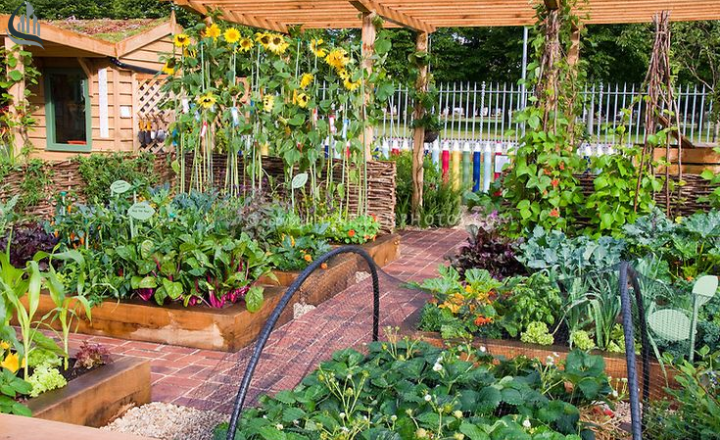
Start simple. If you’re new to growing, choose easy crops like lettuce, parsley, radishes, onions, or chard. They thrive with minimal effort and are great. Herbs such as rosemary and sage grow happily in borders or even through paving stones, adding fragrance and texture to your garden.
Start small. You don’t need a large space to grow something delicious. A few herb pots on a sunny windowsill, strawberries in hanging baskets, or tomatoes in containers can instantly bring freshness to your home. Herbs like basil, rosemary, mint, and thyme are easy to care for and fill the air with a beautiful scent.
The sensory garden: Color
In the heart of a sensory garden, color becomes a language of its own. Vivid reds, serene blues, and cheerful yellows come together to create a unique vibe. The bright petals of marigolds might produce the warmth of an autumn afternoon, while the cool shades of lavender can instantly bring a sense of calm and peace.
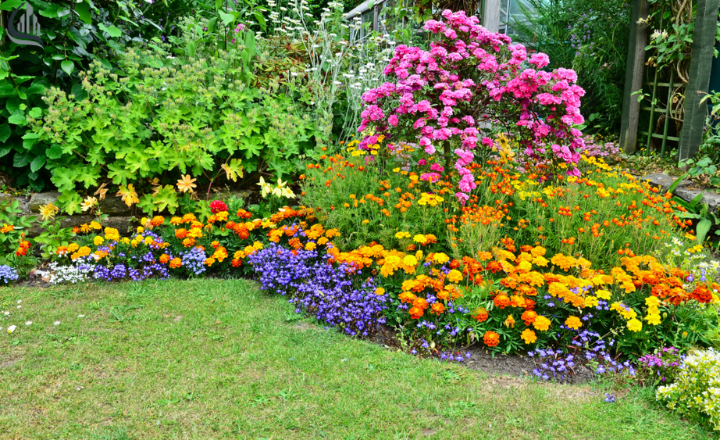
According to the psychology of color, we see how our emotional responses depend on these shades. Green is often associated with nature and renewal, encouraging relaxation and mindfulness.
You don’t need a wide variety to make an impact. Sometimes choosing a few shades makes your garden feel more elegant. Try planting in color blocks or gradients, letting one hue flow gently into the next.
Scent
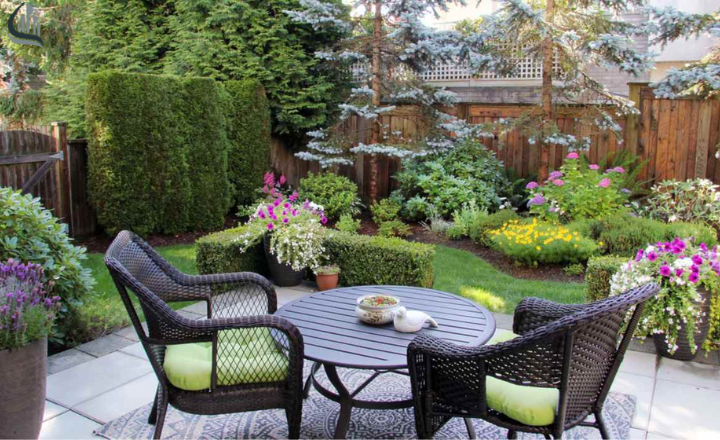
Walking through thin paths lined with fragrant roses, their rich scent invites you to pause and take a deep breath. By mixing various varieties, you can enjoy a vibrant display of colors and fragrances.
- Set fragrant plants near seating areas, pathways, and windows. A few jasmine vines near a doorway or pots of lavender can create an amazing sensory experience.
- Using fragrant herbs like mint, rosemary, thyme, and basil gives off a refreshing, natural scent. The earthy smell of rosemary can complement the floral notes of your blooms.
- Planting night-blooming flowers, such as evening primrose, which release their scents under the light of the moon, adds another layer of fragrance to your garden.
- The gentle perfume of flowers in the breeze can make your garden feel more welcoming, romantic, and alive.
Texture
Texture plays a pivotal role in garden design, especially in small garden contemporary designs in the UK. By incorporating various materials and foliage, you can create visual depth and intrigue. Combining the soft, feathery fronds of ornamental grasses with the bold leaves of tropical plants offers a stunning contrast.
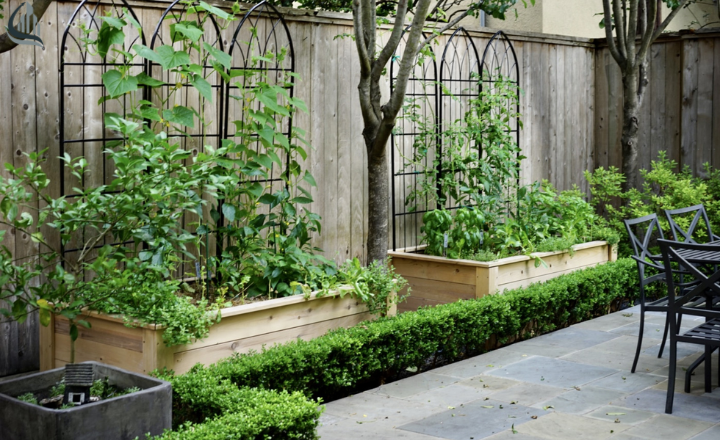
Layered planting ideas, such as arranging plants by height and texture, further enhance the garden’s appeal. Positioning coarse-textured plants at the back can anchor softer-leaved varieties in the foreground. Whether in a small garden or a sprawling landscape, these thoughtful textures encourage exploration and appreciation.
You can also explore Landscape Ideas without plants.
Creating a seating area
Creating a comfortable garden seating area can transform your outdoor space into a haven of relaxation. Start by considering the layout of your garden lounge design. Note down the flow of foot traffic and how you can create cozy nooks that encourage conversation.
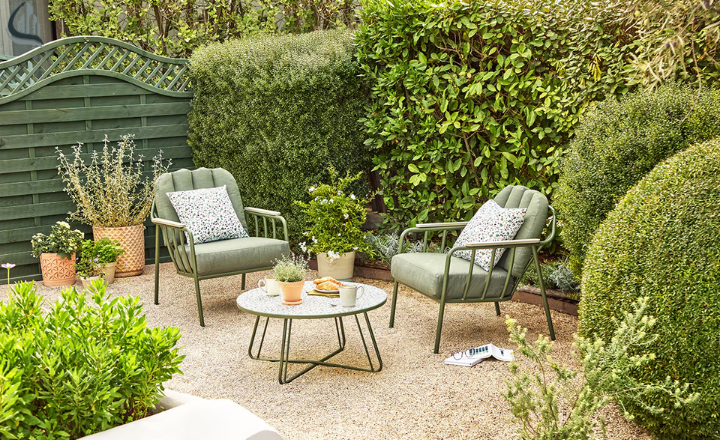
Use simple garden ideas on a budget, such as repurposed materials or inexpensive cushions, to keep your space inviting without breaking the bank. Use natural elements like planters or wooden benches to enhance the aesthetic.
You can also play with various textures by mixing soft pillows with durable outdoor fabrics. For those with smaller yards, little garden ideas, such as using multi-functional furniture or vertical seating, can maximize comfort and usability.
Borders
Creating beautiful garden borders combines the artistry of plants, the precision of edging, and the solidity of hardscaping. When considering garden border ideas, consider using a mix of flowers and shrubs to create visual interest and depth.
Planting borders not only delineates spaces but also provides structure, guiding the eye through your landscape. Adding layers of heights from low-growing blooms to towering perennials can enhance flower bed design while keeping the scenery dynamic.
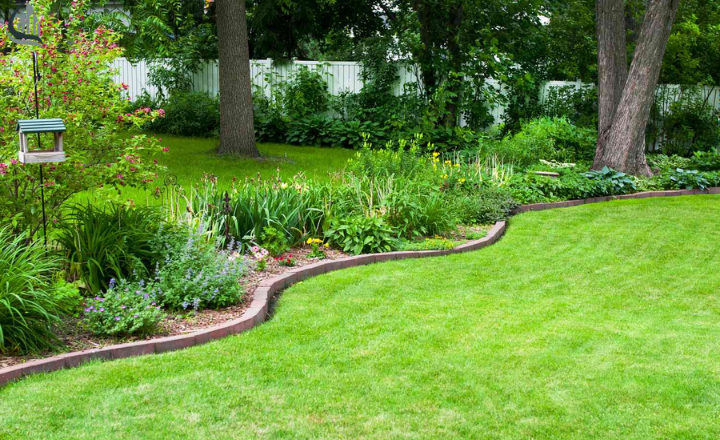
Edging plays a crucial role in establishing a clear boundary between your garden and other areas. Materials like stone, metal, or even recycled wood can add a chic touch while preventing weeds from intruding into your flower bed design.
If you’re pondering how to plan a garden that feels cohesive, consider integrating hardscaping elements like pathways or decorative rocks that complement your plant choices. This thoughtful design not only ensures functionality but also elevates the aesthetic of your space.
Focal points
Use sculptures that not only reflect your personal style but also draw the eye, adding a unique character to your garden. Tree choices can serve dual purposes, offering shade while becoming striking landscape highlights.
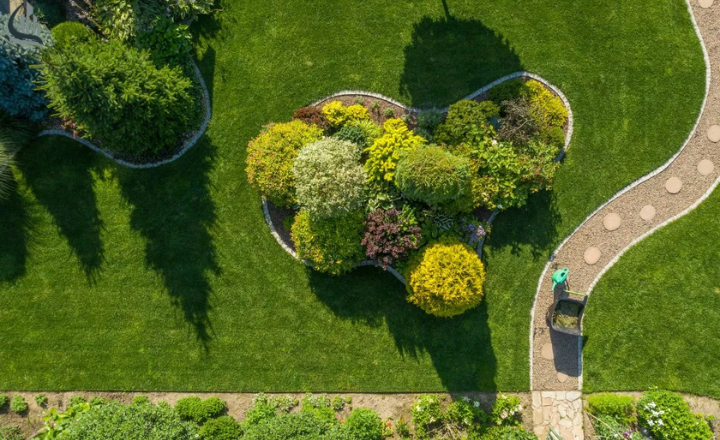
For instance, a flowering cherry tree can inject color with its blooms, creating delightful visual interest in garden design throughout the seasons. Water features, whether it’s a tranquil pond or an elegant fountain, introduce soothing sounds and movement, enriching the sensory experience of your garden.
These elements can also support wildlife, making them a practical choice for sustainable design. When exploring garden inspiration in the UK, remember that blending these focal points harmoniously can elevate your landscape, guiding visitors through a thoughtfully designed space that tells a compelling story.
Lighting Your Garden for Evening Use
A softly illuminated path guides you through your garden, with LED outdoor lighting highlighting key features like lush plants or tranquil water elements. Pathway lights not only ensure safety and visibility but also create a welcoming ambiance. Solar garden lights offer an eco-friendly option, charging by day to provide sustainable evening brilliance.
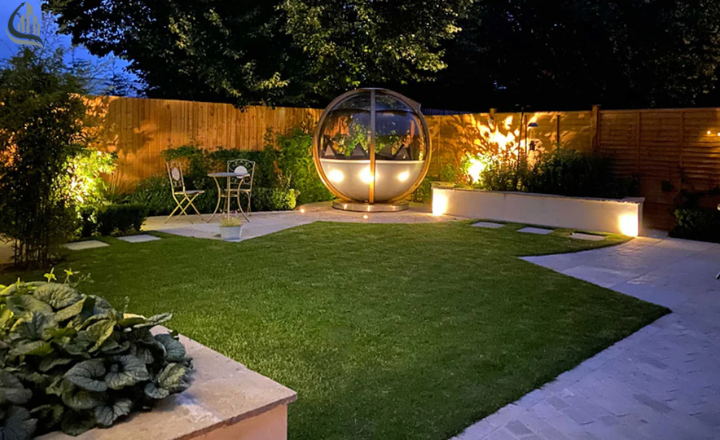
As you enhance your landscape lighting design, consider uplighting for trees and accent lighting for focal points. For those with smaller spaces, low-maintenance garden lighting options like energy-efficient LED garden lights ensure you can enjoy your backyard. Whether you’re hosting friends or enjoying a quiet night under the stars, thoughtful evening garden lighting makes every corner of your garden shine.
Long-Term Garden Maintenance and Care
Maintaining a newly designed garden requires a thoughtful garden maintenance plan that emphasizes simplicity and sustainability. Adopting a low-maintenance garden design can greatly reduce the time and effort.
Choose native plants that thrive in your region’s climate and soil conditions. These plants often need less water and are more resilient against pests, making them perfect for easy-care landscaping. Use seasonal garden care by planning your planting around the natural cycles of your environment.
For instance, spring is ideal for adding colorful blooms, while fall can be perfect for enhancing soil health with compost. Efficient irrigation planning, such as drip systems, can help ensure your plants receive the necessary moisture without waste.
Budget Planning for Garden Design
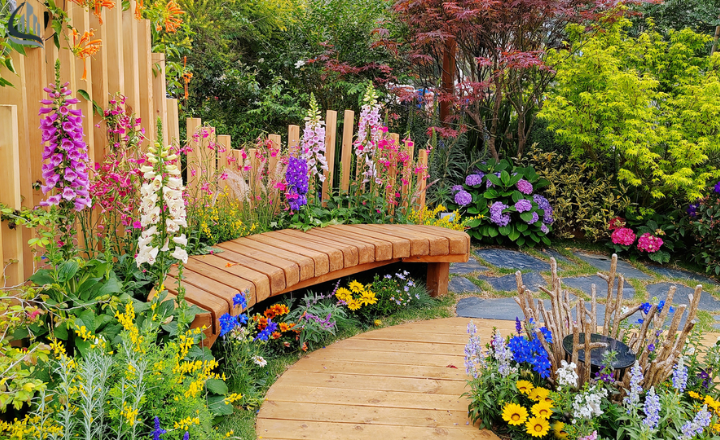
When creating a garden design budget from scratch, the key lies in understanding your space and setting realistic expectations. Start by outlining all potential costs, including landscaping materials, plants, soil preparation, hardscaping features, and water elements.
For instance, opt for local plants that suit your climate; they often require less maintenance and are more cost-effective. When planning pathways and structures, explore DIY options or repurpose materials you already have. This approach not only saves money but also gives your garden a unique touch.
Another smart strategy is phased garden planning, where you spread your expenses over time. Focus first on essential elements, like soil preparation and foundational planting, before adding features like lighting or water features. This allows you to adjust your budget as necessary while still moving toward your vision.
Prioritize spending based on the size and style of your garden; smaller spaces can benefit from modern designs that maximize visual impact without breaking the bank. By using low-cost garden ideas and maintaining a thoughtful budget, you can achieve an affordable garden design.
Conclusion
Designing a beautiful garden from scratch is a journey that blends patience, creativity, and planning. Each of the 13 steps helps you move closer to creating an outdoor space that feels personal, organized, and full of life.
Whether you’re growing vegetables, herbs, or flowers, the key is to start simple and enjoy the process. Over time, your garden will evolve into a space that not only looks stunning but also brings peace and satisfaction every day.
FAQs
What is the first step in designing a garden?
Start by planning the layout. Sketch out your ideas and decide where you want paths, plants, and other features to be placed.
How do I choose the right plants?
Pick plants that match your climate and soil. Consider sunlight and water needs too.
Do I need a budget?
Yes! Set a budget to help guide your choices. It keeps your garden project on track.
How important is garden maintenance?
Very important! Regular care keeps your garden beautiful and healthy. Plan for watering, weeding, and pruning.
What are some popular garden styles?
Popular styles include cottage gardens, modern gardens, and Zen gardens. Choose one that fits your taste.
How to make a beautiful garden step by step?
Start by choosing a suitable location with good sunlight. Plan your layout by sketching it out. Select a variety of plants that thrive in your climate. Prepare the soil by adding compost. Plant your flowers and shrubs, keeping in mind their growth habits. Water regularly and maintain with weeding and pruning. Finally, add decorative elements like stones or garden art.
How do I make my garden beautiful?
To enhance your garden’s beauty, start by keeping it tidy and well-maintained. Choose a color scheme and select plants that complement each other. Add garden ornaments and pathways for visual interest. Regularly prune plants and remove weeds to keep the space looking fresh.