
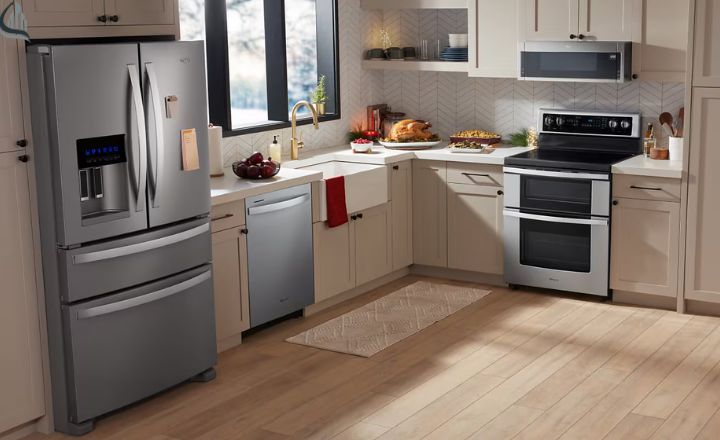
It’s frustrating when your beautiful stainless steel appliances become dull and spotted. It’s a common struggle in many homes, where shiny surfaces can quickly lose their appeal. In this article, we’ll explore the reasons behind those pesky stains and fingerprints and present foolproof ways to clean stainless steel appliances at home.
Focusing on easy-to-follow methods for your refrigerators, ovens, and microwaves, you’ll discover how to maintain and restore the shine of your stainless steel without any harm.
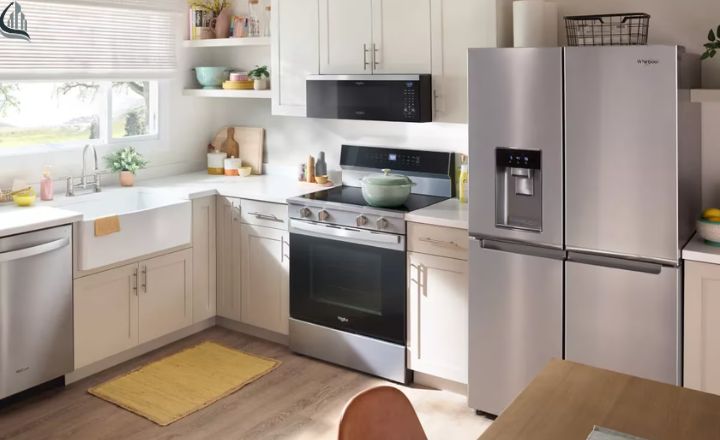
Before You Begin
Before diving into cleaning your stainless steel appliances, it’s crucial to prepare them properly for a flawless finish.
- First, identify the direction of the stainless steel grain.
- Wiping in the same direction enhances the shine and prevents unsightly scratches. Knowing this simple detail can make a huge difference in the overall appearance of your stainless steel.
- Always check the manufacturer’s instructions. Some appliances have specific cleaning requirements that can help you avoid damage.
- Before you start scrubbing, take a moment to remove any loose dust or debris with a soft cloth or a duster.
- This step not only makes the cleaning process smoother but also reduces the chance of scratching the surface while you’re trying to clean stainless steel safely.
How long will this take to clean?
Cleaning stainless steel appliances can vary quite a bit depending on their size, how dirty they are, and the type of stains you’re dealing with.
- A quick daily wipe-down might take just 5 to 10 minutes, keeping fingerprints and light smudges at bay. This easy stainless steel maintenance routine can make a noticeable difference, preventing dirt from building up over time.
- If you’re confronting grease splatters or water spots that just won’t budge, you’re looking at a longer process. Deep cleaning can take anywhere from 15 to 30 minutes.
- This involves using specialized cleaners or homemade remedies, which require a bit more elbow grease.
Materials Needed
When it comes to finding the best cleaner for stainless steel appliances, the key lies in using gentle, non-abrasive materials that keep your surfaces shining without damage.
- Start with a couple of trusty microfibre cloths, which are soft and designed to lift grime without scratching.
- Pair them with mild dish soap mixed with warm water; this simple solution is often enough to tackle everyday smudges and fingerprints, making it one of the safest stainless steel cleaners you can use.
- For tougher stains or those pesky streaks, vinegar is a game-changer. A mix of equal parts vinegar and water applied with a microfiber cloth not only cleans effectively but also leaves a streak-free shine.
- If you’re aiming for an extra boost of brilliance, consider using an optional stainless steel polish after your routine clean.
- Just remember to choose products specifically labelled as safe stainless steel cleaners to maintain that pristine finish over time.
Materials to Avoid
When cleaning stainless steel appliances, it’s essential to avoid materials that can ruin their sleek appearance.
- Abrasive pads might seem handy for tough spots, but they can scratch the surface, leaving unsightly marks.
- Soft cloth or sponge; these gentle options are the best way to clean these appliances while preserving their shine.
- Harsh chemicals like bleach and ammonia are also no-goes in the cleaning world. These substances can strip the protective layer off stainless steel, leading to discolouration and dullness over time.
- For best results, stick to mild soap and water or specially designed stainless steel cleaners.
How to Clean Stainless Steel Appliances
- Start by gathering your supplies: a microfiber cloth, warm water, white vinegar, and olive oil or a stainless steel cleaner.
- Dampen your microfiber cloth with a mix of equal parts water and vinegar for a natural cleaning solution.
- Begin at the top of your appliance and wipe in the direction of the grain. This not only removes fingerprints effectively but also prevents scratches.
- To clean greasy spots, apply a bit of pure vinegar directly onto the cloth and gently scrub the area.
- Rinse the cloth with warm water and wipe down the surface again to remove any residue from the vinegar.
- Dry the surface with a clean, dry microfiber cloth, following the grain once more to achieve that streak-free finish.
- Finally, apply a few drops of olive oil to a fresh cloth and buff the stainless steel for added shine and protection against future stains.
By following these simple steps, you not only learn how to clean stainless steel appliances but also maintain their lustre for the long haul. Regular upkeep with natural methods keeps your kitchen looking polished without harmful chemicals.
Read more about how to clean greasy wood cabinets .
How to Remove Hard Water Stains From Stainless Steel Appliances
Hard water stains on stainless steel appliances are a common kitchen woe, especially in areas with mineral-rich water. These stains occur when water evaporates, leaving behind minerals like calcium and magnesium. Over time, these deposits create unsightly spots that can make your kitchen look less than pristine.
Use these methods to clean stainless steel:
- Vinegar and Water Solution: Mix equal parts of vinegar and water in a spray bottle. Spray it on the stained areas, let it sit for a minute, then wipe with a soft cloth. This natural solution cuts through mineral buildup.
- Baking Soda Paste: For tougher stains, create a paste with baking soda and water. Gently apply it with a soft sponge, then rinse and wipe clean. It’s gentle enough not to scratch but powerful against stains.
- Olive Oil Polish: After cleaning, use a small amount of olive oil on a microfiber cloth to buff the surface. This not only adds shine but also helps repel water, making future cleaning easier.
These simple techniques can breathe new life into your stainless steel appliances, keeping your kitchen looking sleek and inviting.
How to Remove Rust Stains From Stainless Steel Appliances
- Identify the Stain: Inspect your stainless steel appliance for rust stains. Look for reddish-brown patches, typically found near moisture-prone areas.
- Choose the Right Materials: Gather non-abrasive tools. Use a soft cloth, sponge, or a toothbrush with soft bristles, along with a gentle cleaner like baking soda or vinegar.
- Apply the Treatment: Make a paste with baking soda and water or use undiluted vinegar. Gently rub the paste on the rust stain, allowing it to sit for 5-10 minutes to penetrate.
- Gently Clean the Area: With your cloth or sponge, scrub the stain in the direction of the grain of the stainless steel. Avoid circular motions to prevent scratches.
- Rinse Thoroughly: Use a damp cloth to wipe away the paste or vinegar. This ensures no residue is left that could cause further staining.
- Dry Completely: After rinsing, dry the area with a clean, soft towel to prevent water spots.
- Protect the Finish: Consider applying a stainless steel cleaner or a light coat of mineral oil to the surface. This helps create a barrier against future rust and stains.
By following these steps, you can effectively remove rust from stainless steel appliances while keeping their finish looking shiny and new.
How to Clean Stainless Steel Appliances With a Steamer
- Safety First: Before you start, make sure to wear heat-resistant gloves. Always keep the steamer away from your face and any children or pets.
- Preparing Your Steamer: Fill the steamer with distilled water to ensure it produces clean steam. Plug it in and let it heat up according to the manufacturer’s instructions.
- Steaming Technique: Hold the steamer about 6-12 inches from the surface of the stainless steel appliances. Move it in slow, sweeping motions to loosen grime and fingerprints. Focus on one section at a time for better results.
- Wiping Away Dirt: After steaming a section, use a soft cloth to wipe away any residue that has loosened. This will help eliminate streaks and leave a beautiful shine.
- Final Touch – Drying: Use a dry microfiber cloth to thoroughly wipe down the entire surface. This step is crucial for preventing water spots and ensuring a polished finish.
Why Stainless Steel Loses Its Shine Over Time
Grease Buildup: Cooking splatters raise a real challenge as grease adsorbs onto the stainless steel surface, dulling its shine. Over time, this residue collects, making appliances look aged and dirty, even with regular cleaning.
Fingerprints: Ever notice those annoying smudges? Fingerprints from curious hands can destroy the sleek look of your appliances. They aren’t just a cosmetic issue; constant touching can create a sequence of dull patches if not wiped away promptly.
Hard Water Residue: If you live in a hard water area, minerals can leave unsightly spots on your appliances. These tiny deposits can accumulate, lending a cloudy and unattractive appearance that regular cleaning often misses.
Improper Cleaning Methods: Using the wrong cleaners or scrubbers can lead to more damage than good. Abrasive materials can scratch the surface, while harsh chemicals may strip away protective coatings, leaving behind dull stains.
By addressing these factors, you can help restore the lustre of your stainless steel appliances and keep them looking their best. Simple, consistent care can make all the difference!
Common Mistakes That Damage Stainless Steel Finishes
- Using Abrasives: Scrubbing your stainless steel with harsh pads can scratch the surface, making it more susceptible to stains and fingerprints.
- Harsh Chemicals: Products containing bleach or ammonia can strip away the protective layer, leading to corrosion over time.
- Incorrect Wiping Techniques: Using crumpled paper towels can push dirt around instead of lifting it off, while wiping against the grain can leave marks behind.
- Skipped Maintenance: Neglecting to regularly clean and polish your stainless steel appliances can lead to buildup, making future cleanings harder.
- Ignoring Spills: Letting acidic foods sit can etch the surface, tarnishing the shiny look of your appliances over time.
- Using the Wrong Cloth: Opting for rough fabrics instead of soft microfiber can do serious damage to finishes.
- Rinsing with Cold Water: Sudden temperature changes can make stainless steel warp; always use warm water.
Conclusion
To wrap things up, keeping your stainless steel appliances clean doesn’t have to be a chore. By incorporating techniques like using Dawn dish soap, vinegar, and baking soda, plus steam cleaning for extra shine, you’ll be well on your way to a sparkling finish.
Don’t forget that consistent stainless steel maintenance is key to removing stains and preventing grease buildup. Avoid common mistakes like using abrasive cleaners that can dull the surface, and your appliances will thank you for it! With these handy stainless steel cleaning tips, you can easily achieve a beautiful kitchen. Dive in and give these methods a shot your kitchen deserves it!
Faqs
How often should I clean stainless steel appliances?
You should clean your stainless steel appliances at least once a week to keep them looking great and to prevent any buildup of dirt or stains.
What is the best thing to clean stainless steel appliances with?
The best thing to clean stainless steel appliances is a soft cloth with warm water and mild dish soap. For shine and fingerprint removal, a small amount of white vinegar or olive oil works well.
What is the safest way to remove fingerprints from stainless steel?
Use a soft cloth dampened with soapy water or a glass cleaner that’s safe for stainless steel. Wipe in the direction of the grain to avoid scratching.
Can vinegar damage stainless steel surfaces?
Yes, vinegar can be too harsh on stainless steel over time. It’s best to avoid using it directly on the surface.
How do I remove rust stains from a stainless steel fridge?
You can use a paste of baking soda and water. Apply it to the rust stains, let it sit for a bit, then scrub gently with a soft cloth, rinsing afterwards.
Is steam cleaning safe for all stainless steel appliances?
Generally, yes, steam cleaning is safe for most stainless steel appliances. Just make sure to follow the manufacturer’s guidelines.
How do I keep my stainless steel appliances streak-free longer?
After cleaning, dry your appliances with a microfiber cloth to avoid streaks. Regular polishing with a little bit of mineral oil can also help.
What cleaning products should I avoid on stainless steel?
Avoid abrasive cleaners, steel wool, and any harsh chemicals, like bleach or ammonia, as they can scratch and damage the surface.