

You stood in front of your kitchen cabinets, staring at the stubborn grease that seemed impossible to remove. Grease buildup on wooden cabinets is a common yet frustrating issue that many of us overlook until it becomes a sticky problem.
After testing various methods to clean greasy wood cabinets, I’m excited to share what really works. From homemade solutions to commercial products, I’ll guide you through the best way to clean kitchen cabinets, helping you restore their beauty without damaging the wood. By the end of this article, you’ll have a clear plan to easily remove grease from wooden cabinets and keep them looking fresh.
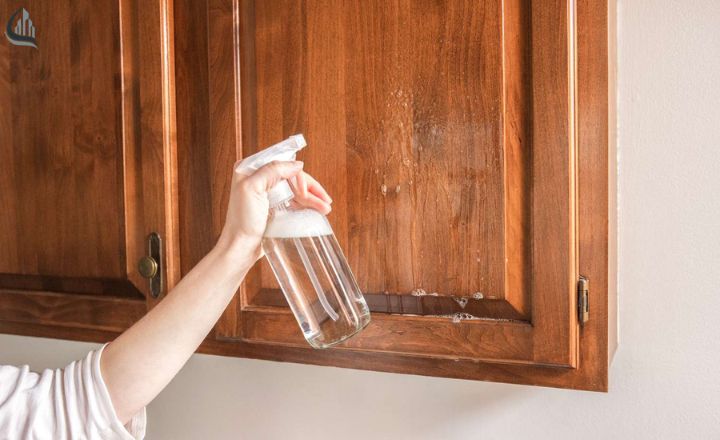
The Best Way to Clean Greasy Wood Cabinets
Grease buildup on wooden kitchen cabinets often sneaks up on you, especially around the stove, where splatters are common. As cooking oils and food particles mix in the air, they settle onto your cabinets, creating a sticky layer that can dull the beautiful wood finish. To clean greasy wood cabinets without damaging them, it’s essential to use gentler methods that allow the wood to breathe while effectively breaking down the grease.
How I Tested These Greasy Wood Cabinet Cleaning Methods
In my quest to find the best way to clean greasy kitchen cabinets, I tested multiple cabinet cleaning methods on the sticky residue left by everyday cooking oils. The cabinets near my stove had a mix of splatters from frying, baking, and even a few spills. I started with a commercial degreaser, spraying it directly onto the affected areas. After letting it sit for a few minutes, I wiped it down with a microfiber cloth, revealing a noticeable difference, although some stubborn spots remained.
Next, I turned to a homemade solution. I measured effectiveness by checking how much of the original buildup was removed after each cleaning session. It was a combination of techniques that yielded the best results, showing that understanding your specific grease buildup is key to effective greasy kitchen cabinet cleaning methods.
Kitchen Cabinet Cleaning Method 1: Dawn Dish Soap
Dawn dish soap is a powerful ally when it comes to clean greasy wood cabinets. This soap is engineered with surfactants that break down oils and grease, making it easier to wipe away stubborn cooking residue. When you mix a few drops of Dawn with warm water, the surfactants in the detergent attract the oil on your cabinets, dissolving it so that it can be easily wiped away.
To use this method effectively, start by diluting a few drops of Dawn in a bowl of warm water. Dampen a soft cloth or sponge in the solution, and gently clean your cabinets in small sections, wiping with the grain of the wood to maintain its finish. It’s important to avoid using excessive water; the key is to just moisten the surface, as too much moisture can damage wooden finishes.
This method works best on cabinets that aren’t overly lacquered or sealed, allowing the soap to penetrate the grime without causing harm. However, avoid this technique on cabinets with antique finishes or those that are damaged, as the soap’s effectiveness may strip away paint or varnish.
Kitchen Cabinet Cleaning Method 2: Pledge Everyday Cleaner
When it comes to tackling greasy wood cabinets, Pledge Everyday Cleaner stands out as a reliable choice. Its ease of use is one of its defining features; a simple spray-and-wipe method allows you to swiftly address stubborn grease without much fuss.
Unlike some store-bought cabinet cleaners that can leave behind residue, Pledge effectively penetrates grease buildup, ensuring that your cabinets not only look cleaner but also feel fresh. One homeowner noted how a quick spritz and a wipe transformed her grimy cabinets into gleaming surfaces, showcasing the cleaner’s shine-enhancing properties.
For anyone wondering how to clean kitchen cabinets, this product proves that you can achieve both cleanliness and shine without compromising on the integrity of your wood surfaces. In the world of greasy wood cabinet cleaners, Pledge truly makes a lasting impression.
Kitchen Cabinet Cleaning Method 3: Murphy Oil Soap
Murphy Oil Soap is a kitchen superstar when it comes to removing grease from wooden cabinets. Its unique formula effectively cuts through airborne kitchen grease that settles on surfaces, making it perfect for tackling everything from grimy cabinet doors to sticky handles. Just a few drops mixed with warm water can transform tough layers of grease into easy-to-wipe-away residue.
To get the best results, dilute Murphy Oil Soap according to the label instructions, typically around 1/4 cup per gallon of water. This ensures you’re using enough cleaning power without harming your cabinets. For a cabinet maintenance routine, a gentle scrub with a microfiber cloth can work wonders, keeping your wood conditioned and lovely.
Kitchen Cabinet Cleaning Method 4: Castile Soap, Baking Soda & Vinegar
Using a natural way to clean greasy wood cabinets can be wonderfully effective, and a combination of Castile soap, baking soda, and vinegar serves as a powerful DIY degreaser for kitchen cabinets. Castile soap, a plant-based cleaner, helps break down grease thanks to its gentle surfactants. Just a few drops mixed with water will create a soapy solution that effectively lifts away the sticky residue without harming the finish of your cabinets.
When baking soda is combined with vinegar, this dynamic duo creates a fizzing reaction that further agitates the grease, making it easier to wipe away. This eco-friendly cabinet cleaning method not only preserves the beauty of your wood but also ensures you avoid harsh chemicals found in many commercial cleaners. So the next time you’re faced with sticky cabinets, remember this nature-inspired solution for an effective and safe clean.
Kitchen Cabinet Cleaning Method 5: Vinegar Soak
One of the most effective yet simple ways to clean kitchen cabinets is the vinegar soak method. Start by mixing equal parts of white vinegar and warm water in a bowl. This natural solution not only cuts through grease but also helps eliminate odors.
To use this method, dip a soft cloth into your vinegar solution, lightly wring it out, and apply it to the cabinet surfaces. Let it sit for 5-10 minutes, especially on tougher spots. This gentle approach softens grime without harsh chemicals, making it perfect for families with little ones. After soaking, wipe the cabinets with a clean cloth to reveal a sparkling finish.
How Often Should You Clean Greasy Wood Cabinets?
In a bustling kitchen, the best way to clean kitchen cabinets isn’t just about the occasional deep scrub; it’s a routine dance of care. If you often cook with oils or spices, consider a light cleaning every few days to combat moderate grease buildup. In small apartments, where cooking smells linger longer due to limited ventilation, an effective natural cabinet cleaning routine, like a mixture of vinegar and water, can keep your cabinets looking fresh without harsh chemicals.
Deep cleaning should occur every month or so, especially if your kitchen often turns into a culinary hotspot. When greasy residue hardens, it not only dulls the finish but also creates a sticky surface that attracts dirt. Regular maintenance is key, using soft cloths and gentle cleaners not only protects the wood but also enhances its natural beauty.
Why Grease Builds Up on Wood Cabinets Faster Than You Expect
Grease can build up on wood kitchen cabinets more quickly than you might expect, especially near stoves, due to a combination of airborne particles and cooking oils. In smaller kitchens, where space is tight, and cooking happens in close quarters, this accumulation can happen in a flash. Without proper ventilation, like a working range hood, these particles linger and settle, finding their way into the oil-absorbing grain of the wood.
The type of wood and its finish can also play a significant role. Some finishes may not be as effective at repelling grease, allowing the cooking residue to penetrate the surface over time. This not only makes your cabinets look grimy but can also contribute to odors.
Smart Tips to Prevent Grease Buildup on Wood Cabinets
To keep your wood cabinets free from grease buildup, establishing a solid ventilation strategy is key. Using exhaust fans while cooking helps draw moisture and grease-laden air away from your kitchen. For instance, after frying or sautéing, make it a habit to turn on the vent and open windows for better airflow. This simple step dramatically reduces the chances of grease settling on your beautiful wood surfaces.
Use a regular wipe-down routine also plays a vital role in cabinet maintenance. Aim to clean your cabinets weekly with a microfiber cloth and a gentle cleaner or a mix of vinegar and water. This not only keeps them shining but acts as a deterrent against stubborn grease that’s harder to remove over time. Additionally, be mindful of your cooking practices; covering pots and pans can minimize splatter.
You can also read how to get rid of cooking smells in a small kitchen.
Conclusion
In conclusion, keeping your wood cabinets clean and free of grease doesn’t have to be a chore. The best way to remove grease from kitchen cabinets includes using effective solutions like Dawn dish soap, Pledge cleaner, and Murphy Oil Soap. For a natural approach, Castile soap paired with baking soda and vinegar works wonders, while a vinegar soak can tackle tougher grime.
To wipe down your cabinets regularly and use splatter guards while cooking to prevent grease buildup. By applying these wood cabinet cleaning tips, you’ll be well on your way to a sparkling clean kitchen. Why not give these methods a try and enjoy the fresh look of your cabinets?
FAQs
What is the best thing to clean kitchen cabinets with?
The best thing to clean kitchen cabinets is a gentle mixture of warm water and dish soap. This solution helps remove grease and grime without damaging the wood finish. For tough spots, try using a soft cloth or sponge.
How do professionals clean wood cabinets?
Professionals often use a specialized wood cleaner, along with microfiber cloths. They start by removing dust and dirt, then apply the cleaner and buff the surface to keep the wood shining. This technique protects the finish while ensuring a thorough clean.
How do you clean kitchen cabinets?
To clean kitchen cabinets, mix warm water with a few drops of mild dish soap. Wipe down the surfaces with a soft cloth, rinsing the cloth often. For stubborn stains, you might need a bit of baking soda on a damp cloth. Always dry the cabinets afterward to prevent water damage.
Is Murphy Oil Soap good for kitchen cabinets?
Yes, Murphy Oil Soap is good for kitchen cabinets. It’s designed to clean and nourish wood surfaces, helping to maintain their shine. Just dilute it with water as directed on the bottle, and it can leave your cabinets looking great.
What should you not use to clean wood cabinets?
Avoid using abrasive cleaners, ammonia, or strong chemicals. These can damage the wood finish and cause discoloration. Also, don’t use steel wool or rough sponges, as they can scratch the surface.
What is the best homemade wood cleaner?
A simple homemade wood cleaner is a mixture of vinegar and olive oil. Use one part vinegar to two parts olive oil. This solution not only cleans but also nourishes the wood. Just apply it to a cloth and wipe down your cabinets for a nice shine.
How often should you clean kitchen cabinets?
It’s a good idea to clean your kitchen cabinets every month. Regular cleaning helps prevent the buildup of grease and dust, keeping your kitchen looking fresh. Spot cleaning spills as they happen can also help keep them in great shape.