
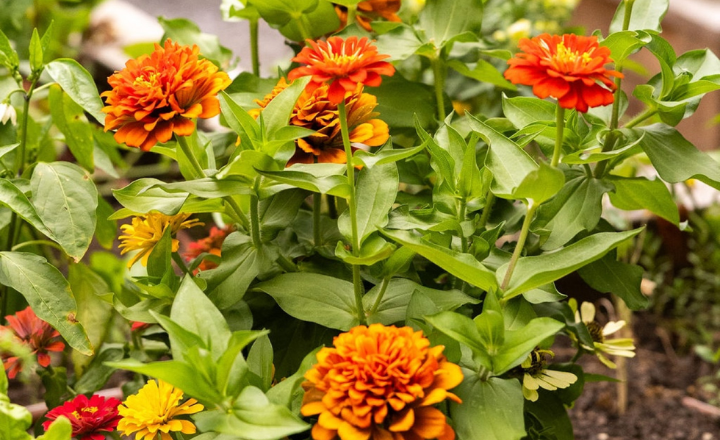
Flowers can be the secret superheroes in your vegetable garden. Most people think flowers and vegetables belong in separate corners of the garden for beauty. But the truth is that they make an incredible team.
I still remember how I designed the beautiful garden for the first time, and I planted marigolds between my tomato rows; then suddenly, fewer pests and more pollinators were buzzing around. It felt like nature’s secret partnership in action. Flowers attract bees, butterflies, and other beneficial insects that help your vegetables thrive, while their scent can keep unwanted bugs away.
In this guide, we’ll explore 15 of the best flowers to grow in your vegetable garden. You’ll learn how these flowers improve growth and attract helpful wildlife to your garden.
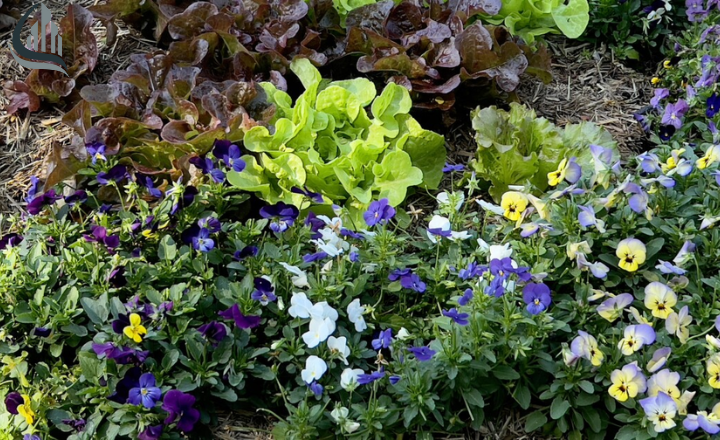
Flowers Make Vegetable Gardening So Much Easier
If you’ve ever struggled with pests, low yields, or poor pollination in your vegetable garden, flowers might be the quiet solution you’ve been missing. Flowers like marigolds and nasturtiums act as natural pest repellents, protecting your precious veggies without the need for harsh chemicals. Their bright blooms attract beneficial insects, such as pollinators and predatory pests, making your garden not only beautiful but also more productive.
Additionally, flowers can improve your soil health. Certain varieties, such as sunflowers and clover, help fix nitrogen in the soil, providing your vegetables with the essential nutrients.
Certain flowers attract pollinators like bees and butterflies, which your vegetables depend on for fruiting. Others, like marigolds and nasturtiums, release scents that repel harmful insects. Even their fallen petals enrich the soil as they decompose. It’s a small change that brings big results: fewer chemicals, less maintenance, and a garden that feels truly alive.
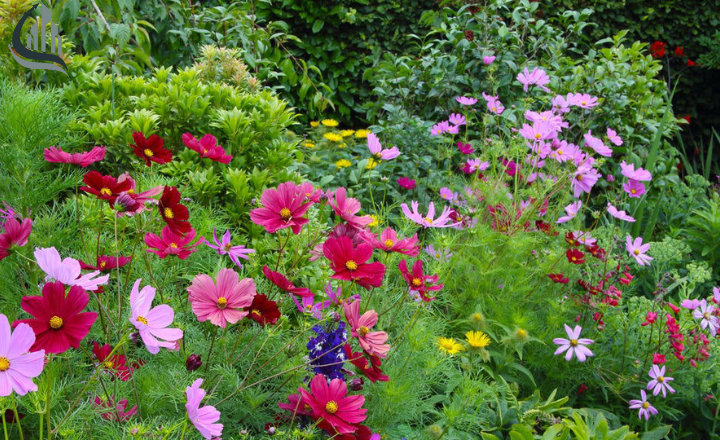
I have a list of the best flowers to grow that I’d like to share with you. I will guide you to the seasonal flowers.
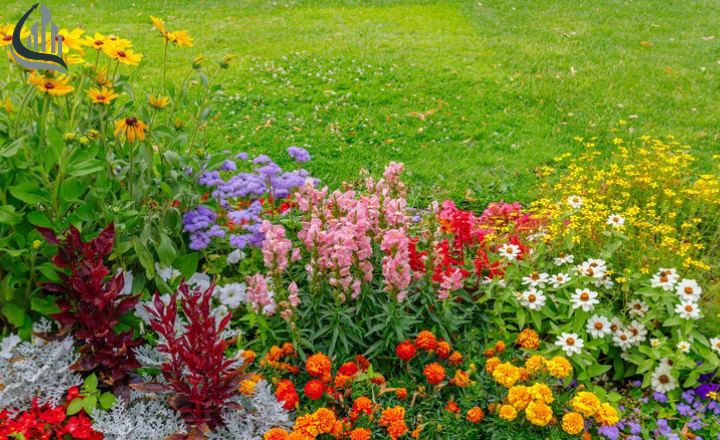
THE HOT SEASON
Firstly, I will guide you on growing flowers that thrive in the hot season.
The Best Hot-Season Flowers to Grow in a Vegetable Garden
Hot-season flowers can withstand the summer heat, even when temperatures are well over 85°F (29.4°C). When the summer sun is at its peak, your garden needs flowers that can stand strong through the heat. Sunflowers, marigolds, cosmos, zinnias, and nasturtiums can grow even in high temperatures.
These are the blooms that stay bright even when the temperature climbs above thirty degrees, and the air feels heavy. They keep growing, spreading color and life when many other plants begin to fade.
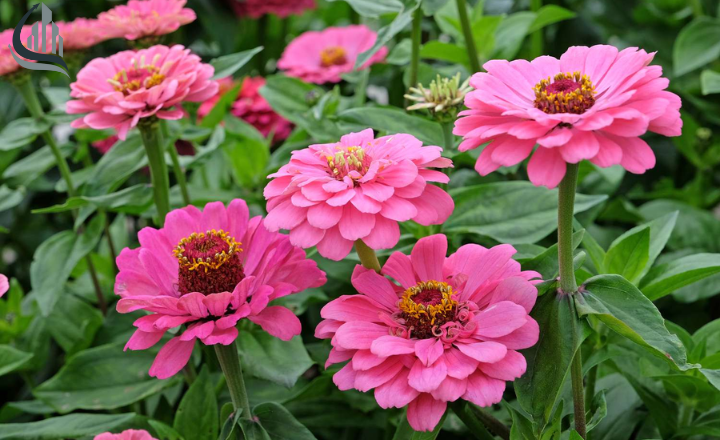
Zinnias
Zinnias bring a burst of color to any garden and are often celebrated for their resilience and ease of care. Their wide range of colors includes pink, orange, red, yellow, and even white. It brings a cheerful look to any vegetable garden. Zinnias do more than add color.
Zinnias do not grow in frost, but they can hang on in temperatures over 100°F (37.8°C). They bring pollinators, especially butterflies and bees. Planting zinnias not only enhances the aesthetic appeal of your garden but also supports local ecosystems.
Moreover, zinnias are often used in bouquets for their long-lasting quality, adding a splash of color to both homes and special events.
Petunias
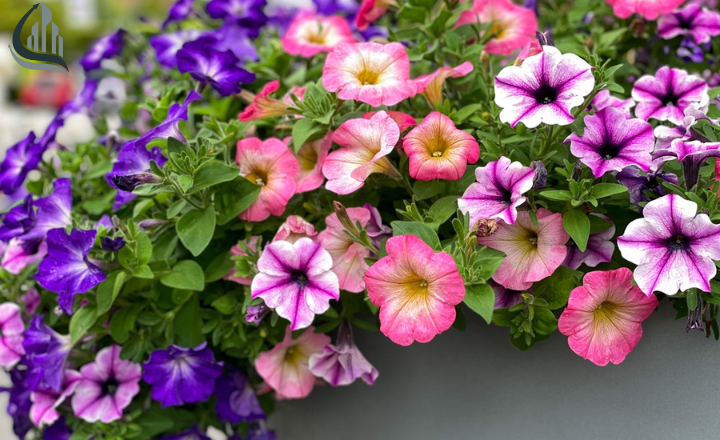
It comes from South America; these flowers have become a staple in gardens and hanging baskets worldwide. It has a variety of colors, from soft pastels to bold hues. They can grow in various conditions. These flowers enjoy full sunlight and need regular watering to stay fresh.
Petunias are great companions for vegetables because they attract bees and butterflies that help with pollination. Petunias have an impressive blooming period, often lasting several months with the right care. Petunias can be planted with vegetables like tomatoes, cucumbers, squash, beans, and even leafy greens.
Angelonia
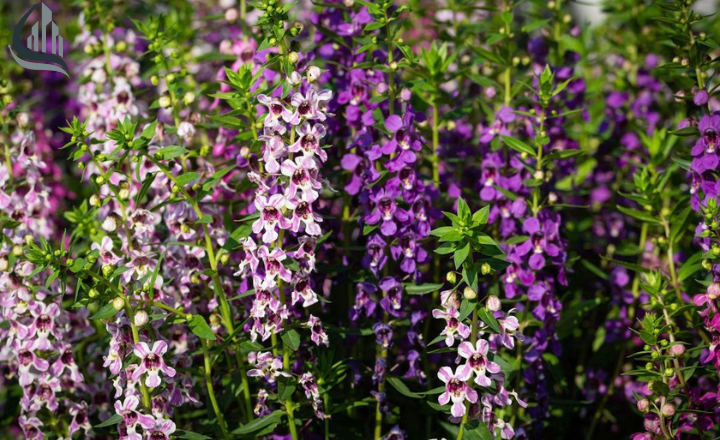
Angelonia flowers, often referred to as “summer snapdragons”, boast vibrant colours that can instantly brighten any garden. With their unique ability to thrive in hot and humid conditions, they’re perfect for gardeners looking to add some resilience to their landscape.
This makes them not only a visual delight but also an ecological asset, contributing positively to the local environment. Angelonia can be paired with other heat-tolerant plants like lantanas or zinnias. Angelonia flowers are sure to leave a lasting impression, adding charm and vitality to any outdoor space.
THE COOL SEASON
The Best Cool-Season Flowers to Grow in a Vegetable Garden
The cool season is when the average high temperatures are between 35°F (1.7°C) and 64°F (17.8°C), and there’s still a chance of frost. Cool-season blooms add freshness and color to the garden just when most summer plants start to rest. Planting pansies, which bloom in vibrant colors and can withstand light frosts.
These flowers are edible, adding a splash of color to salads or garnishes. By selecting these resilient flowers, you create a stunning visual contrast while nurturing the overall vitality of your garden, ensuring that your vegetables thrive alongside their floral companions.
Pansies & Violas
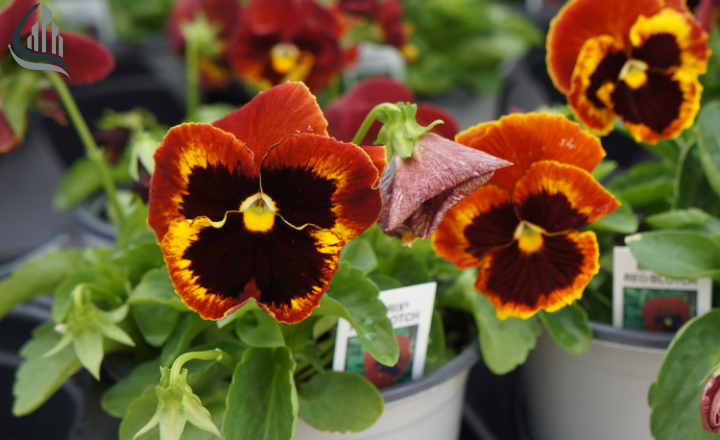
Pansies and violas, often mistaken for one another, bring a burst of color to gardens and balconies. While both belong to the same family, their subtle differences set them apart. Pansies have larger, flatter blooms that boast a wide array of striking colors and patterns, making them perfect for eye-catching displays.
Violas, on the other hand, are more petite but pack a punch with their delicate charm and sweet fragrance. Not only do pansies and violas brighten any space, but they also have practical benefits. Both flowers are edible, with a mild, grassy flavour that can enhance salads and desserts.
Snapdragons
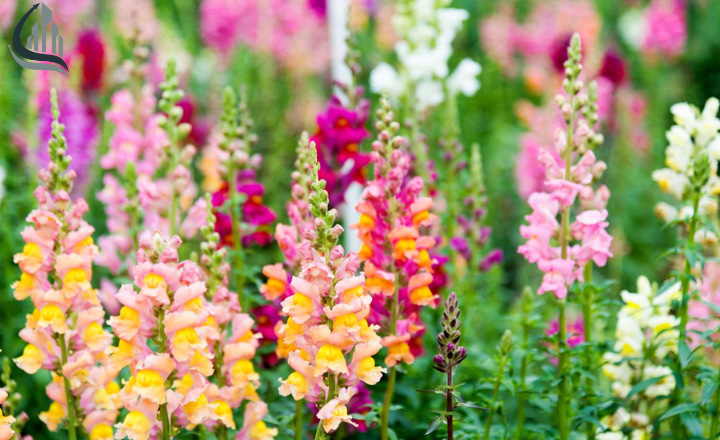
Snapdragons, with their flighty shape and vibrant colours, are more than just a stunning addition to gardens; they carry a fascinating history and meaning. Originating from the Mediterranean region, these flowers symbolize strength and grace. This playful interaction makes snapdragons a favorite among gardeners looking to add an element of fun to their landscapes.
Snapdragons are also quite versatile. They come in a range of heights and colors, allowing for creative arrangements that can brighten any space. Make sure to deadhead (or remove) spent flowers; the plants will bloom two or three more times before the end of the season.
Tulips
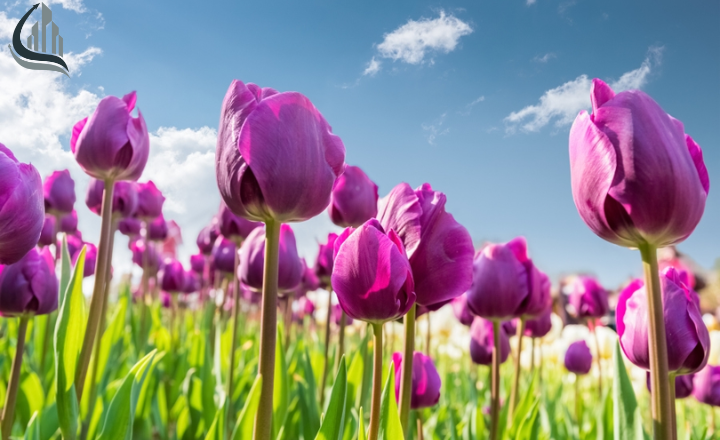
Tulip flowers have a fascinating history that spans centuries, captivating cultures from the Ottoman Empire to modern-day gardens worldwide. Originally cultivated in Persia, these vibrant blooms were so prized that they sparked a financial frenzy during the 17th-century Tulip Mania in the Netherlands.
Tulips are commonly associated with spring. They come in an astonishing array of colors and shapes, reflecting personal tastes and emotions. Whether they’re filling a garden bed, brightening up a dining table, or being given as a gift on special occasions.
Calendula
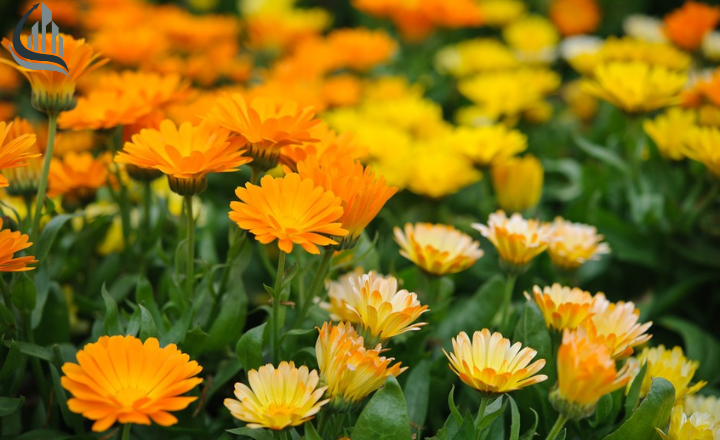
Calendula flowers, with their bright orange and yellow petals, are more than just a cheerful garden addition. Traditionally known as “pot marigolds”, calendulas have been used in herbal medicine to soothe skin irritations, promote wound healing, and even alleviate minor burns. Imagine having a little garden pharmacy right outside your door!
They are easy to grow, requiring minimal care, making them perfect for beginner gardeners. Not only do they attract pollinators like bees and butterflies, but they also improve soil health when planted alongside other crops. You can create a vibrant patch that benefits both your garden and your well-being.
THE WARM SEASON
The Best Warm-Season Flowers to Grow in a Vegetable Garden
Now move towards warm-season flowers. The warm growing season is when your temperatures are 65°F (18.3°C) to 84°F (28.9°C) . Warm-season flowers do not grow in frost or other seasons. So make sure that they flourish in the warm season.
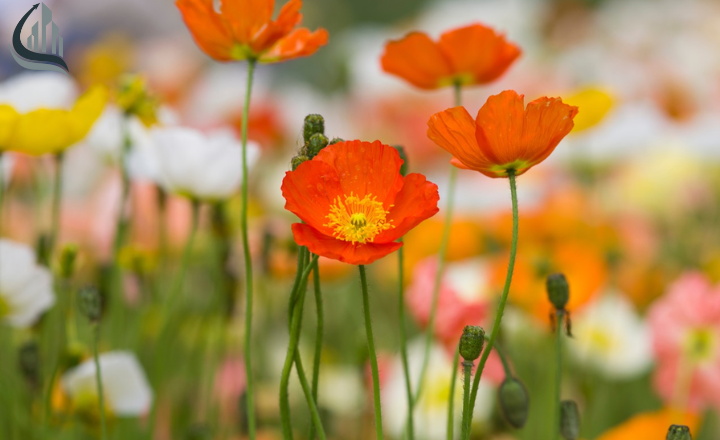
Marigolds
Marigolds are more than just cheerful garden companions; they’re powerful allies in pest control. Their vibrant blooms brighten up your garden. It releases natural compounds that repel nematodes, those sneaky little pests that can hurt your plants. By planting marigolds alongside your vegetables or flowers, you create a natural barrier that helps keep these troublesome nematodes at bay, promoting healthier soil and more robust plants.
What’s even more fascinating is that marigolds attract beneficial insects. Ladybugs and predatory wasps love to hang around marigolds, helping to control aphids and other pests. This makes marigolds a key player in organic gardening.
In addition to their practical uses, marigolds come in various colors and sizes, making them an easy choice for any garden style. So, next time you plant, try to add marigolds because they are beautiful and also have surprising benefits.
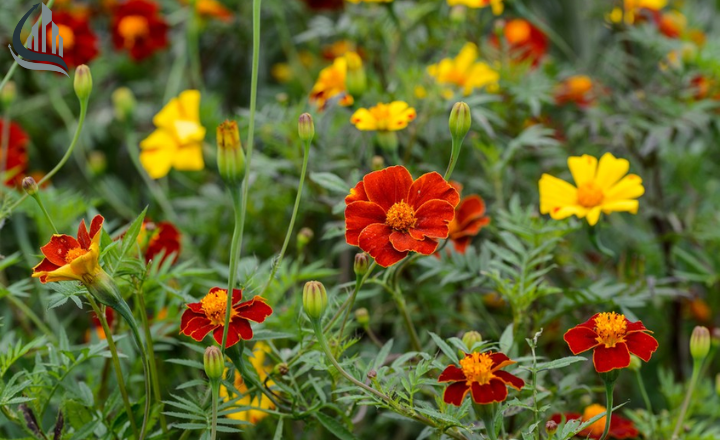
Sunflowers
Sunflowers are more than just bright, cheerful flowers; they embody a unique relationship with the sun that’s truly fascinating.
Young sunflowers face the sun as it moves across the sky, a dance that helps them maximize their exposure to light. This automatic ‘following’ makes them not just a visual delight but also a marvel of nature.
Their seeds are not just tasty snacks; they’re packed with nutrients such as vitamin E and magnesium. This makes sunflower seeds a great addition to salads or smoothies.
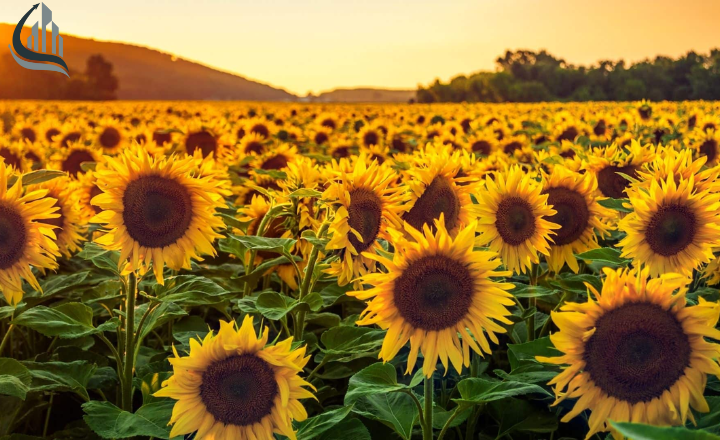
Salvia
The next flower that I love to use in a raised bed is a salvia. These perennials are not just beautiful; they are also incredibly versatile. From the fiery reds of Salvia splendens to the calming blues of Salvia nemorosa, there’s a variety for every landscape.
Salvia plants are low-maintenance and drought-tolerant, making them perfect for busy gardeners or those in dry climates. With a fascinating ability to bloom multiple times a year, salvia flowers ensure that your garden remains vibrant through different seasons.
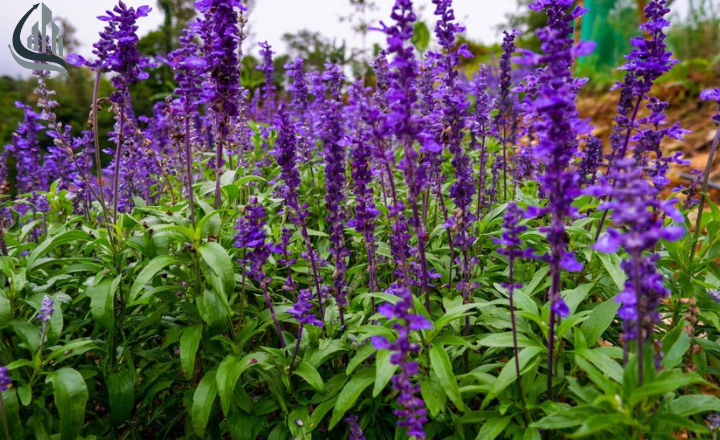
Sweet Alyssum
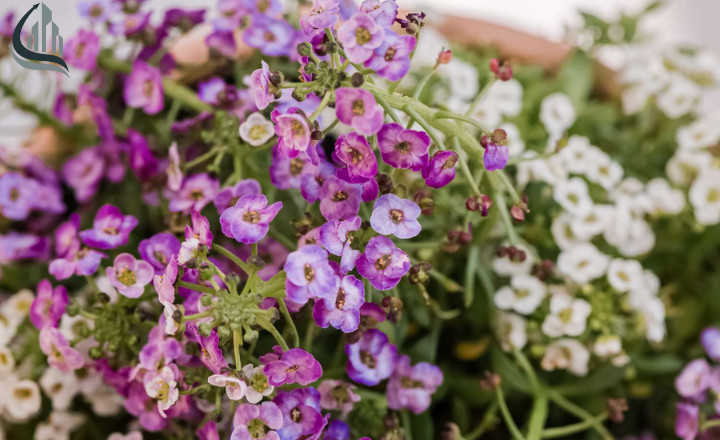
These petite blooms, often found in shades of white, lavender, and pink, create a soft carpet of color. It has an effective role in controlling aphid populations. They are Sweet Alyssum flowers visually stunning and also incredibly easy to grow. They can grow in various conditions. With minimal care, these flowers can bloom all season long, bringing joy to your surroundings day after day.
Nasturtiums
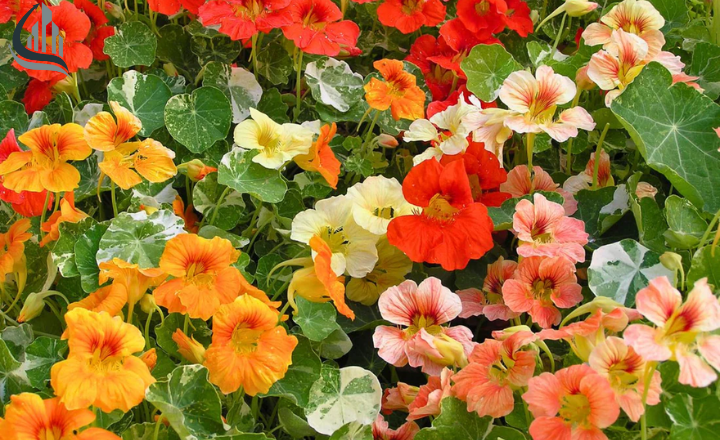
Nasturtiums are cheerful and easy-growing flowers that bring color and purpose to any vegetable garden. Their round green leaves and bright orange, yellow, and red blooms make them stand out beautifully against leafy vegetables.
They attract pollinators like bees and butterflies, which help your vegetables grow better. At the same time, they work as a trap crop by drawing away harmful insects such as aphids, keeping your other plants safe.
These flowers are also edible. Nasturtiums are simple to care for, making them ideal for beginners who want to enjoy both beauty and function in their gardens.
You can also read about the best indoor plants.
Conclusion
All are the best flowers to grow in your vegetable garden that can enhance both beauty and productivity. Flowers like marigolds and nasturtiums are not just pretty; they can attract beneficial insects and deter harmful pests. By creating this harmonious blend, you can ensure a healthier garden and a more bountiful harvest. The added colors and scents can make your gardening experience even more enjoyable. So, why not start planting some flowers alongside your veggies today and watch your garden thrive?
FAQs for Best Flowers to Grow
- Why should I grow flowers in my vegetable garden?
Flowers attract beneficial insects like bees and butterflies, which help pollinate your veggies. They also add beauty and diversity to your garden! - Which flowers are best for attracting pollinators?
Marigolds, zinnias, and sunflowers are fantastic choices! They not only draw in pollinators but also bring vibrant color to your garden. - Can flowers help control pests in my vegetable garden?
Absolutely! Flowers like nasturtiums and calendulas can deter pests, keeping your veggies safe and healthy without harsh chemicals. - Are there edible flowers?
Yes! Edible flowers like nasturtiums, pansies, and violets can add flavor and beauty to salads and dishes, making your meals even more special. - How many flowers should I plant in my vegetable garden?
A good rule of thumb is to dedicate about 10-20% of your garden space to flowers. This way, you maintain a balance between veggies and blooms! - When is the best time to plant these flowers?
Most flowers can be planted in the spring after the last frost. Check your local climate for specific timing, but generally, late April to early June works well! - Do flowers need special care compared to vegetables?
Not really! Most garden flowers are hardy and require similar care as vegetables, like plenty of sunlight, water, and occasional fertilization, to keep them thriving. - Can I grow flowers in pots alongside my vegetable garden?
Growing flowers in pots is a great way to save space and add beauty. Just make sure they get enough sunlight and water, just like your veggies.