
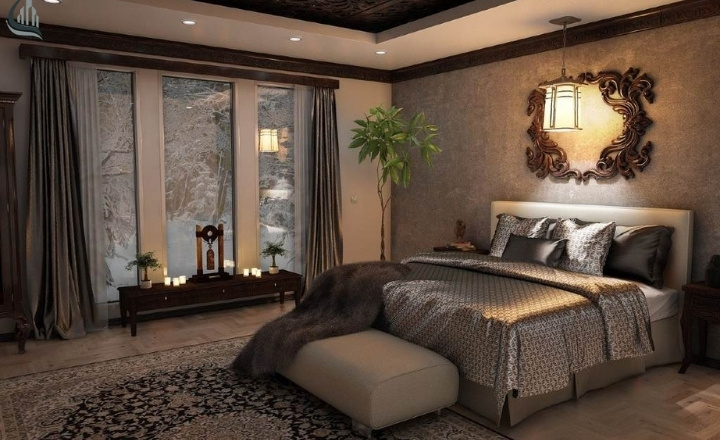
Your bedroom should be the one place where both of you feel completely at ease. Whether you’re newlyweds or settled into married life, the right bedroom design for couples goes beyond aesthetics—it’s about creating a shared sanctuary that reflects who you are together while honouring individual needs.
A well-designed couple’s bedroom balances style, comfort, and functionality. It’s where you rest, reconnect, and build memories. The good news? Creating a space that works for both partners doesn’t require compromise on style.
Why Your Bedroom Design Matters
Your bedroom sets the tone for your relationship. It’s not just furniture and paint—it’s where you start your day and where you wind down together. A thoughtfully designed space reduces stress, improves sleep quality, and creates an environment where both partners feel valued.
When your bedroom reflects your personality and needs, you’re more likely to spend quality time there. A cluttered, poorly lit, or mismatched room creates tension. A cohesive, intentional design—even in a small space makes a real difference in how you feel at home.
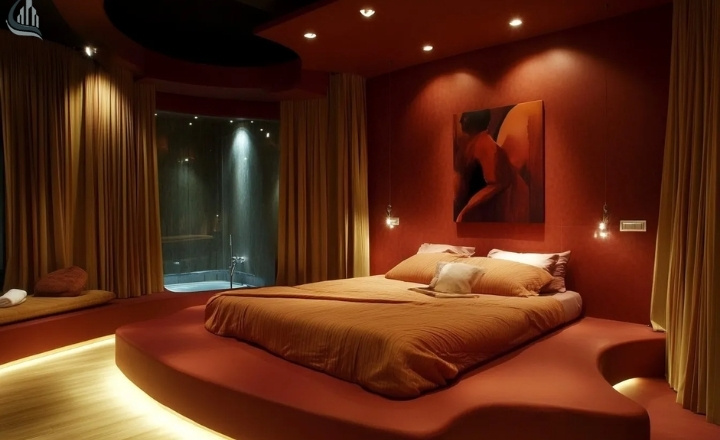
The design process itself matters too. Collaborating on bedroom ideas for couples strengthens your partnership and ensures the final result actually works for both of you, not just one person’s vision imposed on the other.
Key Elements of Couple-Friendly Bedroom Design
A couple-friendly bedroom should feel comfortable, balanced, and practical for both partners. The right mix of colors, furniture, lighting, and storage can make the space feel more connected and relaxing. Small design choices often have the biggest impact on everyday comfort.
Colour Palette for Romance and Relaxation
The right color sets the mood. Soft, calming bedroom colors create a restful atmosphere without feeling boring or sterile. Warm neutrals like taupe, soft grey, and warm beige work beautifully for couples because they feel intimate without being dark or heavy.
Color Psychology for Couples: Research shows that cool tones (blues, greens, purples) promote relaxation and sleep quality, while warm tones (creams, soft pinks, terracotta) encourage intimacy and connection. The sweet spot? Combining warm whites with cool undertones—think warm grey-blues or creamy beiges with lavender undertones.
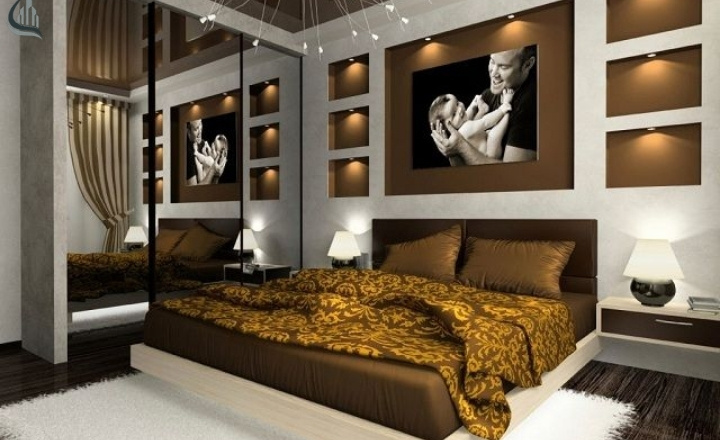
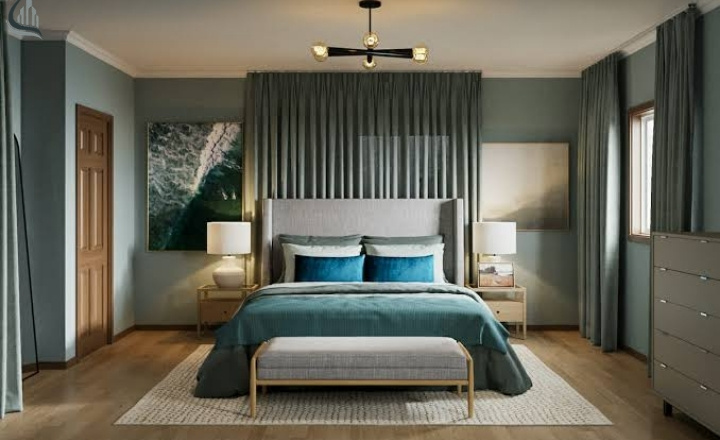
If you want something with more personality, consider muted jewel tones—sage green, dusty blue, or warm terracotta. These colors have depth while remaining calming. The key is avoiding overly bright or harsh colors that overstimulate. Test paint samples on your wall and live with them for a few days before committing.
Colour Combinations That Work:
- Warm beige + soft sage green + cream accents (create peaceful, natural energy)
- Warm grey + blush pink + gold accents (romantic yet modern)
- Soft taupe + dusty blue + white trim (sophisticated and calming)
- Cream + warm terracotta + ochre accents (earthy and intimate)
For accent walls or decor, you can introduce slightly richer tones without overwhelming the space. Think of your main walls as the foundation and accessories as where you add personality. A single feature wall in a deeper jewel tone can create a focal point without making the space feel dark or oppressive.
See also Color Psychology and the Art of Choosing Serene Bedroom Colors
Comfortable and Stylish Bedding
Your bed is the focal point, so invest here. Quality sheets matter more than thread count marketing suggests. Look for breathable, durable fabrics like Egyptian cotton or linen. A good mattress is non-negotiable if both partners have different preferences (firmness and temperature regulation). Some couples benefit from a split king mattress that allows customization without compromise.
The Right Bedding Setup for Sleep Quality: Quality bedding impacts sleep by up to 40%, according to sleep research. Beyond comfort, the right bedding influences body temperature regulation, moisture-wicking, and overall sleep architecture. This is why couples often struggle when one partner is a “hot sleeper,” and the other needs warmth—the solution isn’t just compromise; it’s smart textile selection.
Choose breathable cotton sheets (400-600 thread count is optimal—anything higher actually reduces breathability), a quality duvet insert filled with down alternative or wool (both regulate temperature naturally), and layered blankets so each partner can adjust without affecting the other.
Layered bedding creates both visual interest and practical comfort. Start with fitted and flat sheets, add a quality duvet or comforter, then layer with throw pillows and a decorative throw blanket. This approach lets both partners adjust their comfort level without affecting the other.
Styling the Bed Like a Designer:
- Use 2-3 throw pillows in varying sizes (the “odd number” rule creates visual interest)
- Add a textured throw blanket draped asymmetrically at the foot of the bed
- Mix fabric textures: smooth cotton, soft velvet, woven linen for visual depth
- Keep the color palette cohesive, choose 2-3 colors maximum to avoid visual chaos
Practical Storage Solutions
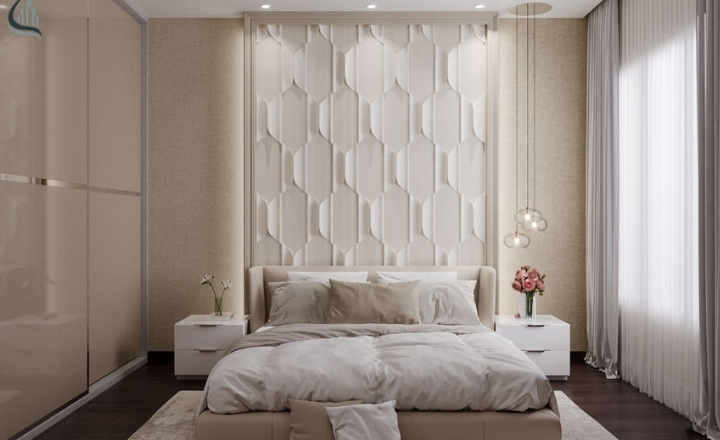
Clutter kills the intimate bedroom style you’re aiming for. Smart storage keeps personal items accessible while maintaining a clean aesthetic. Under-bed storage boxes work for seasonal items, while built-in shelving or a low dresser keeps everyday items organized.
Storage Systems That Actually Work: The key to functional storage in a couple’s bedroom isn’t just having places to put things—it’s having systems that prevent resentment. When one partner feels like their belongings are “invading” the shared space, tension follows. Here’s how to prevent that:
- Zone-Based Storage: Assign each partner specific drawers, closet sections, or shelves. This creates psychological ownership and prevents the “whose mess is this” arguments.
- Vertical Storage: Use wall-mounted shelving or floating shelves to maximize space without floor clutter. This works especially well in smaller bedrooms.
- Under-Bed Real Estate: Use shallow storage bins (not deep ones you can’t access easily) for off-season clothing, linens, or travel items. Label everything so both partners know what’s stored where.
- Dual Nightstand Setup: Each partner gets their own bedside table with drawers for personal items—phone chargers, books, journals, and medications.
If your closet is small, a decorative clothing rack or wall-mounted shelving adds function without bulk. The goal is to have places for both partners’ belongings so nothing feels like it’s encroaching on the other’s space.
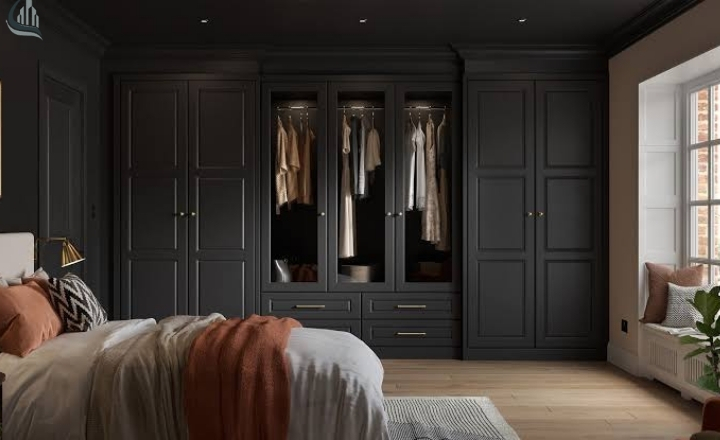
Inspiring Bedroom Design for Couples
Every couple has a different style, which is why bedroom design should reflect both personalities. Some people prefer soft and romantic spaces, while others enjoy modern or minimalist interiors. Exploring different bedroom ideas for couples can help you create a space that feels personal and comfortable.
The Romantic Retreat
This style embraces soft textures, warm lighting, and intimate details. Think layered lighting with dimmers, sheer curtains that filter natural light, and plush textures like velvet pillows or a soft throw blanket. The color palette stays neutral creams, warm greys, and soft blush with touches of gold or rose gold in accessories.
Romantic bedrooms feel luxurious without being overdone. A statement headboard, quality bedding, and carefully chosen artwork create impact. Fresh flowers or a luxury scent complete the atmosphere. This style works well if both partners appreciate a polished, serene aesthetic.
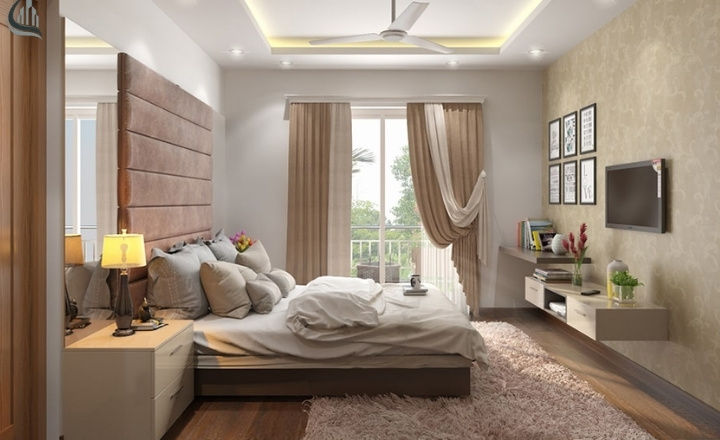
The Minimalist Couple’s Sanctuary
Clean lines, neutral colors, and intentional spacing define this approach. Everything in the room has a purpose: no decorative clutter or unnecessary furniture. A low-profile bed frame, simple nightstands, and limited wall art create calm and openness.
Minimalist bedrooms feel spacious and peaceful, especially in smaller spaces. The advantage? Both partners’ belongings stay organized, nothing feels cramped, and there’s room to move and breathe. Texture comes from quality materials, such as natural wood, linen, and wool, rather than lots of decorative items.
See also 17 Simple Ceiling Bedroom Design Ideas for Modern & Stylish Homes
The Bold and Stylish Duo
If you and your partner are design-forward, embrace it. A bold accent wall, patterned wallpaper, or statement furniture makes the space feel curated and personal. Deep jewel tones, geometric patterns, or even a feature wall with artwork can work if the rest of the room stays relatively simple.
This style works when both partners have similar design taste or are willing to compromise. A bedroom painted sage green with a modern wooden platform bed and pops of brass or gold feels sophisticated and personal. The key is balance; bold elements need breathing room.
Tips for Harmonizing Your Styles as a Married Couple
Designing a shared bedroom becomes easier when both partners feel included in the process. Instead of focusing on one style only, try blending colors, textures, and decor choices that work for both of you. A balanced design helps create a space that feels peaceful and welcoming.
The Design Conversation: How to Actually Talk About It
Most couples skip this step and jump straight to designing, which is why so many bedrooms end up feeling like a compromise rather than a collaboration. Before you touch a single paint swatch, have this conversation:
What to discuss:
- Non-negotiables: What does each partner absolutely need to feel comfortable? (Light control? Storage? Privacy for work? Ability to read in bed?) These form the foundation.
- Emotional associations: Does one partner associate minimalism with peace and the other with emptiness? Does romantic décor feel authentic or overdone? Understanding the why behind preferences prevents misunderstandings.
- How you spend time: Do you both sleep in the bedroom, or does one partner work from there too? Do you watch TV in bed? These activities shape layout and lighting needs.
- Budget reality: Agree on a total budget and where to splurge (quality mattress? Good lighting? Art?) versus where to save (accessories you can change later).
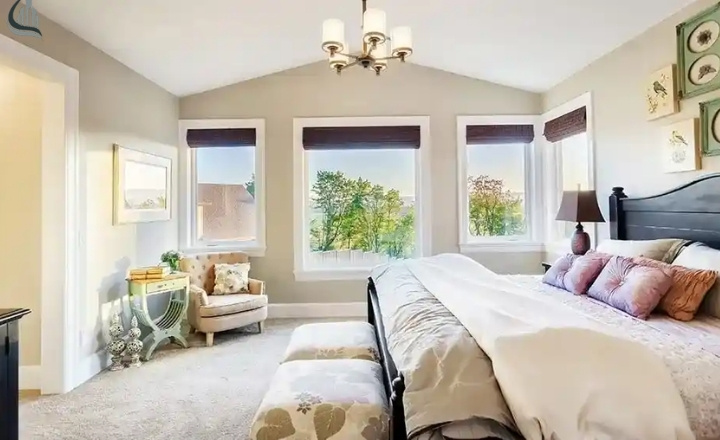
Design disagreements are normal. One partner might love minimalism while the other prefers maximalism. The solution? Find a middle ground that feels yours authentically together not a watered-down version of both visions.
The Mood Board Exercise (Actually Works): Create a shared Pinterest board or Google Doc where you both pin inspiration without discussing. After collecting 30-40 pins each, look for patterns. You’ll likely find overlaps in color preferences, textures, or styles, even if you thought you disagreed completely. These overlaps become your design north star.
Start by identifying non-negotiables. Maybe one of you absolutely needs good storage, while the other prioritizes natural light. Build your design around these essentials first, then layer in aesthetic choices.
Use a mood board together with Pinterest, Instagram, or a simple document where you both pin inspiration. Look for common themes. You’ll likely notice overlaps in colour preferences, textures, or styles, even if your starting points felt different.
The bed should be a collaborative choice since you both use it every night. If firmness preferences differ, a split king or adjustable bed solves this practically. If style preferences differ, choose a neutral headboard and let bedding and pillows reflect both of your tastes.
Budget-Friendly Bedroom Design Tips
Creating a beautiful bedroom doesn’t require a large budget; it requires intentionality.
DIY Decor
Paint an accent wall, create a gallery wall with printed photos or artwork, or refinish old furniture. These projects cost significantly less than buying new pieces and add personal meaning to your space.
Repurpose and Upcycle
Old dressers get new life with paint or new hardware. Thrifted nightstands, refinished wooden frames, or reupholstered chairs add character and save money. Many pieces just need a little love to fit your aesthetic.
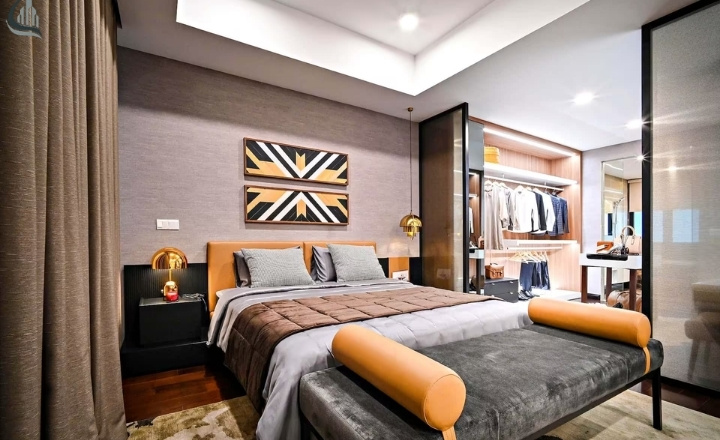
Add Greenery
Plants improve air quality and add life to a bedroom without expensive purchases. A few potted plants on windowsills or a small plant stand create visual interest and calming energy.
Focus on Key Pieces
Invest in quality where it matters: a good mattress, nice sheets, and a beautiful headboard. Splurge on these anchor pieces and keep accessories and decor simpler. You’ll have a more polished room without the price tag.
Lighting Tips for Couples’ Bedrooms
Lighting transforms a bedroom from functional to intimate. It’s one of the highest-ROI investments you can make in a couple’s bedroom because it affects mood, sleep quality, and how the space feels at different times of day. Natural light during the day should be balanced with soft artificial lighting for evenings. Blackout curtains or lined drapes give you control over light levels essential for couples with different sleep schedules.
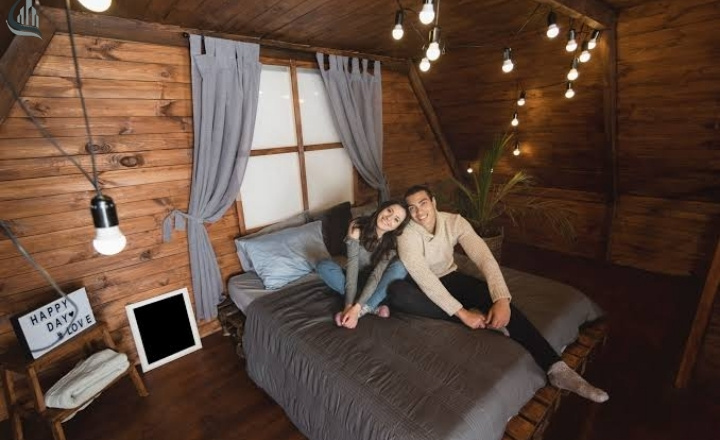
The Science Behind Bedroom Lighting: Your body’s circadian rhythm (sleep-wake cycle) is deeply influenced by light. Blue-tinted light (from phones, cool white bulbs) suppresses melatonin production and keeps you awake. Warm light (2700K color temperature) encourages melatonin production and relaxation. This is why hotel bedrooms with warm lighting feel so restful.
Layered Lighting for a Dynamic Space
Use multiple light sources strategically: overhead fixtures dimmed low for evenings, bedside lamps for reading, and ambient light from decorative fixtures for atmosphere. Dimmers on overhead lights let both partners adjust brightness to their preference without affecting the other.
The Complete Lighting Setup for Couples:
- Ambient Lighting (Primary): This is your main overhead light. Install it on a dimmer switch so you can adjust from energizing (75% brightness) to calming (20% brightness). Choose warm-toned bulbs (2700K color temperature) rather than cool white. This is non-negotiable for sleep quality.
- Task Lighting (Individual): Focused bedside lamps matter more than most people realize. One partner might need bright light for reading while the other is trying to sleep. The solution? Wall-mounted reading lights on individual arms, or bedside lamps with directional shades that don’t spill light across the bed. This prevents the “your light is keeping me awake” tension.
- Accent Lighting (Atmospheric): String lights, LED strips under furniture, wall-mounted sconces, or decorative fixtures add visual depth and create romantic ambiance. These aren’t just pretty—they serve as secondary light sources for when you want brightness without turning on overhead lights.
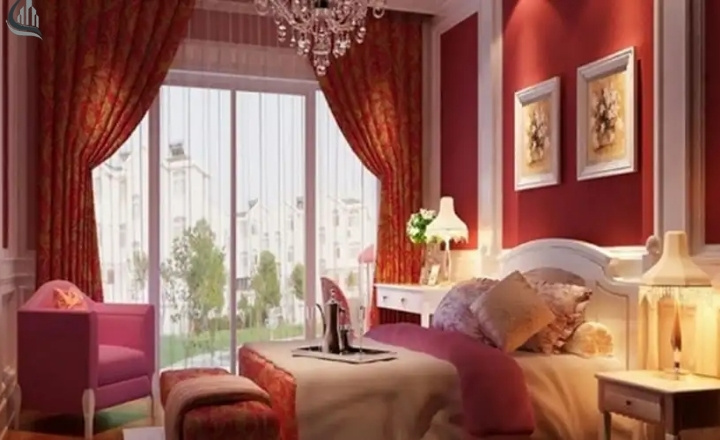
Specific Lighting Solutions for Common Couple Issues:
- Different reading habits? Install individual wall sconces with swing-arm designs that direct light without disturbing your partner.
- One partner needs darkness while the other likes some light? Use blackout curtains and a small accent light (like a bedside reading lamp) so the light-preferring partner has options.
- Morning light sensitivity? Invest in blackout curtains that still allow light to filter in gradually, so early risers don’t jolt awake to brightness.
Smart Lighting Investment: Dimmable smart bulbs (like Philips Hue) cost more upfront but allow independent control; each partner can adjust their side’s brightness without affecting the other. Some couples set routines where lights gradually dim 30 minutes before bedtime, signaling the body to produce melatonin naturally.
Explore 26 Affordable Bedroom Lighting Ideas to Set a Serene Mood
Personalizing Your Shared Space
A bedroom that reflects both of you will feel more intimate and authentic than one that’s perfectly styled but emotionally empty.
Decorate with Items That Hold Meaning for Both of You
Display photos from your relationship, artwork you love together, or travel souvenirs. These personal touches make the room feel lived-in and tell your story. Avoid overstuffing walls, and curate items intentionally so each piece means something.
Celebrate Shared Hobbies
If you both love reading, create a small bookshelf. If you’re music lovers, display instruments or concert posters. Shared interests become design elements that feel natural rather than forced.
Add Personalized Textiles
Custom throw pillows, a monogrammed throw blanket, or bedding in your favorite colors add personality. These items are easy to change if your tastes evolve, making them perfect for personalizing without committing to a major overhaul.
Practical Layout and Functionality Hacks
A beautiful bedroom that doesn’t function well for both of you defeats the purpose. Thoughtful layout and smart solutions make daily life easier.
Maximize Bed Placement
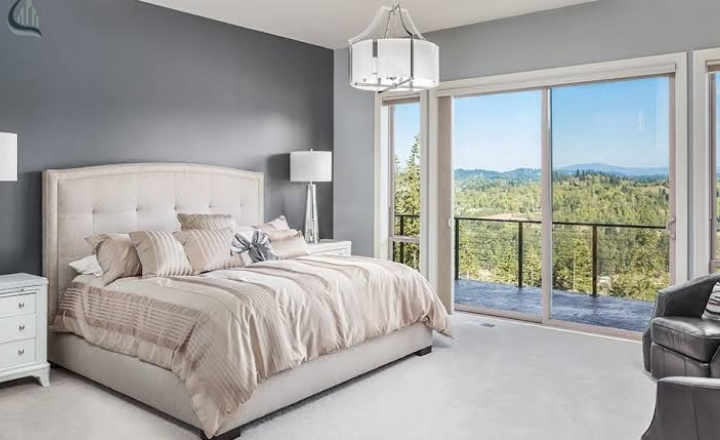
Position your bed where it feels grounded, typically against the main wall without a window. Ensure both partners can access their side comfortably without squeezing past furniture. If your room is small, a bed without a bulky frame creates more visual space.
Define Functional Zones
If you have room, create distinct areas: a sleeping zone near the window, a dressing area by the closet, and a relaxation corner with a chair. This organisation prevents the room from feeling like everything blends.
Smart Storage Solutions
Build storage into your design from the start. Wall-mounted shelving, under-bed organizers, and vertical storage Keep the floor clear, and the room feels spacious. Every item should have a home, so the room stays organized naturally.
Embrace Multi-Functional Furniture
An ottoman at the foot of the bed provides seating, storage, and visual interest. A dresser doubles as a display surface for decor. A nightstand with drawers stores personal items. These pieces work harder and make small spaces feel intentional rather than cramped.
See also 35+ Bedroom Decor Ideas: Styles, Colors, Layout Tips & Inspiration Guide
Final Touches and Closing
The finishing details are what make a bedroom feel complete and thoughtfully designed. Soft textures, calming scents, balanced decor, and personal accessories help create a more relaxing environment. These final touches bring warmth and personality into the space naturally.
Add Greenery
A few houseplants bring life and colour to a bedroom. They’re affordable, improve air quality, and add visual softness without clutter. Low-maintenance options like pothos, snake plants, or monstera work well in various light conditions.
Consider Soothing Scents
A subtle scent of lavender, vanilla, or eucalyptus enhances relaxation. A small diffuser, scented candles, or even fresh flowers create an olfactory dimension that makes the space feel more luxurious. Avoid overpowering scents that might bother your partner.
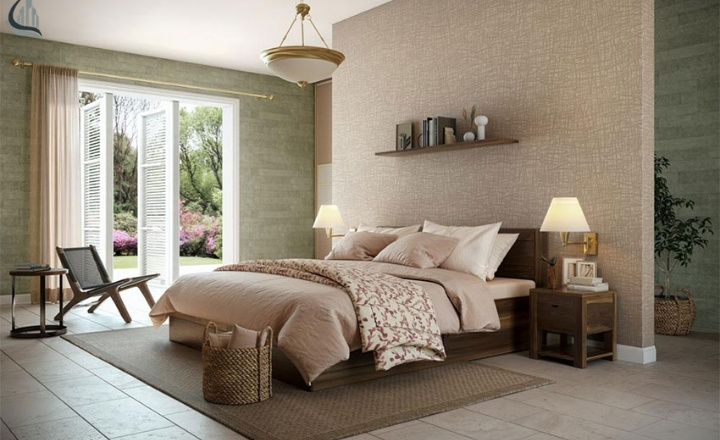
Curate Wall Decor
Whether you choose a gallery wall, a large statement piece, or minimalist pieces, wall decor should feel intentional. Avoid random posters or cluttered arrangements. A few well-chosen pieces have more impact than many mediocre ones.
Focus on Symmetry
Matching nightstands, mirrored wall sconces, or balanced furniture placement creates visual harmony and signals that the space honours both partners equally. Symmetry doesn’t mean boring, it means thoughtful.
Get inspiration from 25+ Stunning Pool House Ideas That Turn Your Backyard Into a Luxury Retreat
Conclusion: Create Your Dream Space Together
Your bedroom should feel like yours, the both of yours. It’s a space where compromise becomes collaboration, where different tastes merge into something that works. Whether you’re drawn to minimalist bedroom design for couples, romantic bedroom ideas, or bold and stylish spaces, the best room is one that makes both partners feel at home.
Start by talking about what matters most: comfort, style, functionality, or personal expression. Build from there. Your bedroom will evolve as your relationship does, and that’s perfectly fine. Design it for today while leaving room for tomorrow.
FAQ: Bedroom Design for Couples
What’s the best color for a couple’s bedroom?
Soft, calming colors like warm greys, beige, sage green, or dusty blue work well. Choose colors that both partners find relaxing rather than stimulating. Test samples before committing.
What is the latest trend in bedrooms?
Sustainable materials and biophilic design, incorporating natural elements like plants, are currently trending in bedroom design.
How can we maximize space in a couple’s bedroom?
Use multifunctional furniture, utilize vertical storage, and create designated areas for each partner’s belongings to keep the space organized.
What are some romantic bedroom ideas?
Consider dim lighting, scented candles, plush textiles, and intimate layout arrangements like a cozy reading nook or a spacious bed area.
How important is lighting in a couple’s bedroom?
Lighting is crucial; combining ambient, task, and accent lighting can create a warm, inviting atmosphere tailored for relaxation and romance.
What are key elements to consider in a couples’ bedroom design?
Focus on comfort, intimacy, and personal style. Include a cozy bed, balanced lighting, and shared decor that reflects both partners’ tastes.