
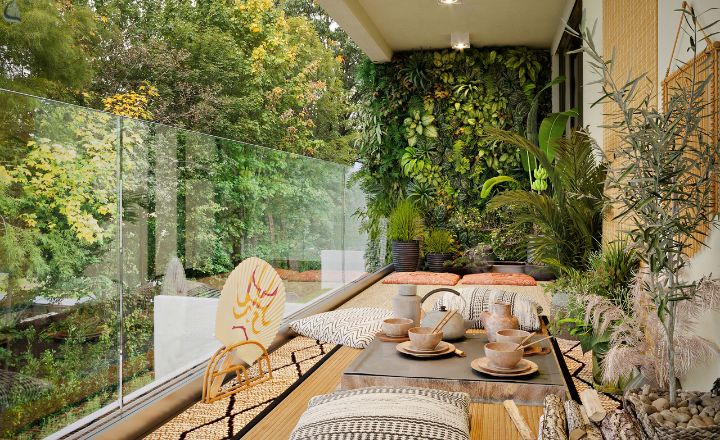
A tiny balcony can transform into a lush oasis with just a little planning. Creating a perfect balcony garden isn’t just for homeowners with sprawling yards; it’s an achievable project for apartment dwellers, too.
If you’re short on space or keeping an eye on your budget, this guide will walk you through practical steps for making the most of your balcony. From choosing the right plants to smart watering techniques, you’ll discover budget-friendly balcony garden ideas that will turn your outdoor space into a serene retreat.
Plan Your Balcony Garden Layout Before You Start
When planning your balcony garden layout, start by measuring your available space. Knowing dimensions helps you make smart choices about what to include. Use these steps:
- Identify sunny and shaded areas: Observe how the sun moves across your balcony throughout the day. This will help you choose the right plants for each spot.
- Decide on planter types: Floor pots are great for larger plants, while railing planters and wall-mounted options maximize vertical space. Think about how they fit together without overwhelming the area.
To keep your balcony functional, ensure there’s enough airflow around plants to support healthy root growth and maintain soil quality. A minimal layout not only looks cleaner but also allows your plants to thrive without crowding each other. For small balcony garden ideas, think compact gardening using tiered shelves or hanging systems can help maximize your green space while keeping it functional and easy to maintain.
Maximize Your Space
Transforming your small balcony into a thriving garden is all about smart choices. Vertical gardening is a game-changer, using wall-mounted planters to free up floor space. Hanging planters can create a lush backdrop, while tiered shelves allow you to layer your plants, making it visually appealing without taking up too much room. Look for railing planters that secure neatly to your balcony’s edge; they maximize the space without cluttering your area.
A simple corner shelf can hold a variety of herbs or flowers, making the most of every inch. Aim for compact layouts by mixing different plant sizes using trailing plants above and smaller ones below will bring depth without overwhelming your space. Budget-friendly options like DIY planters from repurposed materials can be both stylish and practical.
Learn about the best flowers to grow in a vegetable garden.
Know Your Restrictions
Before diving into your garden, it’s crucial to check a few guidelines that can affect your small outdoor garden. Here are some practical points:
- Building Rules: Review any regulations your landlord or homeowners’ association may have regarding outdoor spaces. They may limit the types of plants or the use of certain containers.
- Weight Limits: Balconies have weight restrictions to prevent structural damage. Be mindful of the combined weight of soil, pots, and plants. Choose lighter materials and smaller containers to keep within limits.
- Sunlight Exposure: Observe how much sunlight your balcony gets throughout the day. Some plants thrive in full sun, while others prefer shade. Matching your plant choices to your balcony’s light conditions can help ensure healthy root growth.
- Wind Protection: Strong winds can be tough on delicate plants. Consider barriers like lattice or outdoor curtains to provide airflow while protecting your plants.
By addressing these factors, you can create a thriving apartment garden that’s both beautiful and compliant. Enjoy the journey of nurturing your green space.
How Do You Water a Balcony Garden?
Watering your apartment balcony garden efficiently can make a big difference in keeping your plants healthy and minimizing mess. Aim to water your balcony plants every few days, depending on the weather.
- On hot days, they might need watering daily, while cooler days require less. To avoid water overflow, use pots with drainage holes and place a saucer underneath to catch any excess water.
- Consider investing in self-watering pots that can keep your plants hydrated for longer, perfect for busy urban gardening enthusiasts.
- For budget-friendly options, a simple watering can with a spout or a spray bottle can help you control the amount of water you provide.
- Remember to water early in the morning or late in the evening when temperatures are cooler to minimize evaporation.
- To prevent a mess, use a tray or mat under your pots for easy cleanup and ensure you don’t water too heavily.
- Choose low-maintenance plants that thrive in your specific balcony conditions, adding beauty without demanding too much attention.
What Can You Grow In a Balcony Garden?
When it comes to gardening, choosing the right plants can make all the difference.
For sunny balconies, go for the vibrant choices like petunias, geraniums, and succulents, which thrive in direct sunlight. If your balcony is more shaded, opt for ferns, impatiens, or shade-tolerant herbs like mint and parsley to add greenery without the harsh sun.
For beginners or those looking for low-maintenance plants, spider plants and snake plants are excellent options. They not only require minimal care but also bring a touch of nature to your small space. Consider growing herbs and vegetables like basil, chives, or cherry tomatoes, which can be both flavourful and space-efficient.
Flowering plants like marigolds or portulacas can brighten up your balcony and attract pollinators. Remember, container gardening allows for versatility; you can rearrange your pots as needed and easily change up your garden’s look without breaking the bank.
What Containers are Best for a Balcony Garden?
When it comes to container gardening on your balcony, the right containers can make all the difference. Here are some ideas:
- Lightweight Pots: They’re easy to move around, allowing you to catch the sun or protect your plants from harsh weather. Make sure to choose pots with proper drainage to keep your plants healthy.
- Grow Bags: These fabric wonders are not only lightweight but also great for promoting air circulation around roots. They come in various sizes, so you can grow everything from herbs to larger vegetables. Just remember to water them a bit more often, as they can dry out quickly.
- Railing Planters: Ideal for maximizing space, these containers hang directly off your balcony railing. They’re particularly good for herbs and flowers, providing easy access and a touch of greenery without taking up floor space. Ensure they’re securely fastened so they don’t tip over in the wind.
- Hanging Containers: Whether you opt for traditional baskets or modern wall-mounted designs, hanging containers add vertical interest to your garden. They’re perfect for trailing plants and can brighten up dull corners while saving valuable floor space.
Each of these options offers unique benefits, so choosing the right combination can turn your balcony into a vibrant garden oasis.
Soil, Fertilizer, and Plant Care Basics
Choosing the right soil mix is key to successful urban gardening. Look for a high-quality potting mix designed for container plants. This happy blend usually includes peat moss, compost, and perlite, ensuring good drainage and moisture retention. A well-aerated soil promotes healthy root growth, the foundation for thriving plants in your small outdoor garden.
To support healthy roots, consider these easy tips:
- Water Wisely: Water until it drains from the bottom, but don’t let your plants sit in standing water.
- Easy Fertilizing: Start with a balanced, slow-release fertilizer every month during the growing season.
- Observe: Watch for yellow leaves or stunted growth; they might signal nutritional deficiencies or overwatering.
Maintaining your container plants is simple with a few habits:
- Prune Regularly: Snip away dead or yellowing leaves to encourage new growth.
- Rotate Plants: Turn your pots occasionally to ensure even sunlight exposure.
- Check for Pests: Regularly inspect for unwanted visitors and treat them quickly with mild soap and water.
By focusing on soil quality, root growth, and simple plant maintenance habits, you’ll create a vibrant and healthy sanctuary right on your balcony.
Budget-Friendly Balcony Garden Ideas That Still Look Stylish
Here are some budget-friendly ideas to transform your space:
- DIY Planters: Use wooden crates, old buckets, or even sturdy cardboard boxes as planters. A quick coat of paint can give them a fresh, clean look that aligns with minimalist garden design.
- Recycled Containers: Repurpose glass jars, tin cans, or old teacups. They’re perfect for herbs or small succulents and add a charming touch to your calm space.
Affordable plant sourcing can be easier than you think. Check out local plant swaps, thrift shops, or even your neighborhood nursery for discounts. Many homeowners are also happy to share cuttings, so don’t hesitate to ask around. For decor, stick to minimal elements like a simple string of fairy lights or a few pebbles to create a serene atmosphere. With these low-cost solutions, you’ll enjoy a refreshing oasis right on your balcony.
Common Mistakes to Avoid
Balcony gardening for beginners often comes with a learning curve, and many common mistakes can turn the joy of small-space gardening into a chore.
- One frequent pitfall is overcrowding plants. While it’s tempting to maximize your space, too many plants can lead to stress, competition for nutrients, and poor airflow. Remember, it’s better to have a few healthy plants than a crowded jungle struggling to survive.
- Another major issue is ignoring sunlight needs. Different plants have varying light requirements, and placing shade-loving plants in direct sunlight can lead to wilting or even death. Make sure to observe how much sunlight different parts of your balcony receive throughout the day to better match your plant choices.
- Poor drainage is often overlooked but can cause serious maintenance issues. Plants in containers without drainage holes can end up with waterlogged roots, leading to rot. Opt for pots that allow excess water to escape, or use a self-watering setup to maintain moisture without drowning your greens.
- Be mindful of using heavy containers; they can be a pain to move and may damage your balcony structure. Lightweight pots not only ease maintenance but also allow for flexibility in your small space gardening efforts.
How to Maintain a Healthy Balcony Garden Long-Term
Start by assessing your plants’ needs every week. Water them as needed ensure the soil is moist but not soggy. Incorporate these simple tasks into your routine:
- Check for signs of stress: Look for wilting or yellowing leaves.
- Feed your plants: A balanced, organic fertilizer can work wonders.
- Weed regularly: Even a small space can invite unwanted plants.
Seasonal changes bring unique challenges and opportunities. In spring and fall, your plants might need extra nutrients. Transitioning to winter, consider bringing sensitive indoor plants. Pruning is vital too; snip away dead or overgrown leaves to promote new growth.
For pest control, keep it as natural as possible. Introduce beneficial insects like ladybugs or use neem oil as a gentle pesticide. Regularly inspect your plants for signs of pests, so you can tackle an issue before it escalates. With these practical tips, your urban gardening efforts will flourish, offering beauty and freshness for the long haul.
Conclusion
To sum up, transforming your small apartment balcony into a functional green space is entirely possible with the right balcony garden ideas. By planning wisely and selecting easy-to-care-for plants, you can create a charming area that brings life to your home.
Don’t be discouraged if you’re new to gardening; simple routines keep it manageable and budget-friendly. Every bit of greenery can brighten your day and enhance your living space. Take that first step toward your garden; it’s easier than you think.
FAQs
How to arrange a balcony garden?
To arrange a balcony garden, start by assessing the space and sunlight availability. Choose a mix of plants in various heights, placing taller ones at the back and shorter ones in front. Utilize vertical planters or shelves to maximize space, and add decorative pots or hanging plants to create layers and interest.
Which type of balcony is best?
The best type of balcony largely depends on your needs and preferences. A spacious, south-facing balcony gets plenty of sunlight, which is great for plants and enjoying time outdoors. However, if you prefer shade, a north-facing balcony may suit you better. Ultimately, choose a balcony that complements your lifestyle.
What are low-maintenance balcony plants?
Low-maintenance balcony plants include succulents, snake plants, and pothos, which require minimal watering and care. Herbs like lavender and rosemary are also great options, as they thrive in pots and can be used in cooking. These plants are perfect for busy individuals who want greenery without much hassle.
Is a 3-foot balcony good?
A 3-foot balcony can be quite good, especially for small urban spaces. It provides enough room for a few pots or a small seating area. With careful planning, you can create a cozy, functional space, but be mindful of plant and furniture size to avoid overcrowding.
What is a good-sized balcony?
A good size for a balcony usually ranges from 5 to 10 feet deep, allowing for comfortable seating and plants. However, even a smaller balcony can be enjoyable with efficient use of space. The key is to ensure it fits your lifestyle and meets your needs for gardening or relaxation.
Is the main floor or the balcony better?
Choosing between a main floor and a balcony depends on personal preference. A balcony offers an outdoor escape with fresh air and views, while a main floor allows easy access and often more space. Consider your lifestyle, needs, and how you envision using the space to make the best choice.
What are the best containers for a balcony garden?
The best containers for a balcony garden are lightweight, durable, and have proper drainage holes. Options like ceramic, plastic, or fabric pots work well. Consider window boxes for railings, hanging baskets for vertical space, and self-watering planters to minimize maintenance.