

Two-tone walls are one of the easiest ways to give a room instant character. Instead of repainting everything or investing in new furniture, a color-blocking accent wall can shift the entire mood of a space with just two well-chosen shades. By pairing two colors on a single wall, you create depth, guide the eye, and make the space feel more intentional.
It works in modern homes, cozy apartments, and even minimalist interiors. It can be done without a major renovation. The beauty of a two-tone wall is that it works in almost any room, from bedrooms to living areas, and you can tailor the style to match your own personality.
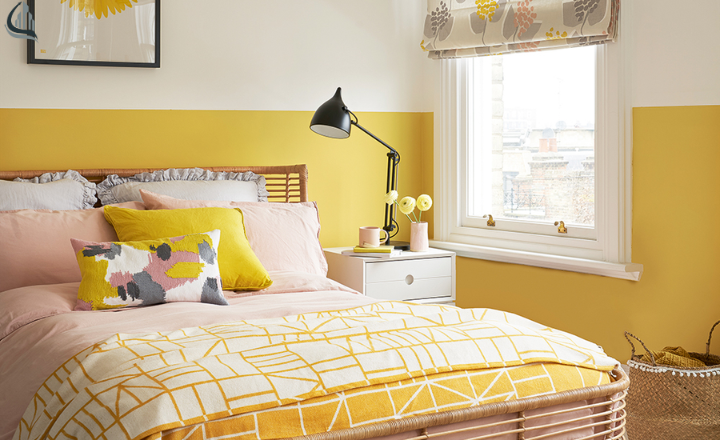
Two-Tone Walls Ideas
This guide covers practical two-tone wall ideas, smart color-blocking tips, and a step-by-step plan for painting clean lines that look professionally done. If you want a wall that actually elevates your space, not just fills it, you’re in the right place.
A Horizontal or a Vertical Two-Tone Wall
This design is perfect for creating a color-blocking accent wall that draws the eye across the room. Using a lighter color on top and a bolder hue below can enhance natural light, giving your space an airy vibe. It’s an excellent choice for modern wall trends.
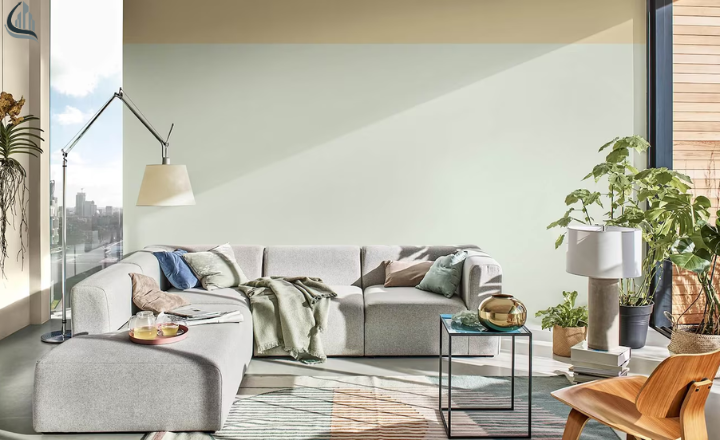
On the flip side, a vertical two-tone wall infuses energy and drama into your interiors. Pairing a dark color with a light one can guide the eye upward, making your space feel taller and more dynamic. Implementation of these two-tone wall ideas is simple yet impactful, allowing homeowners to elevate their interior decor with minimal effort.
A Vertical Two-Tone Wall
By using a vertical accent wall, you can trick the eye into seeing higher ceilings. Go for modern color blocking techniques by pairing contrasting colors like deep navy and crisp white for a striking look, or go for complementary hues, such as soft sage and creamy beige. You can paint the upper half a light shade and the lower half can ground the space with a bolder tone.
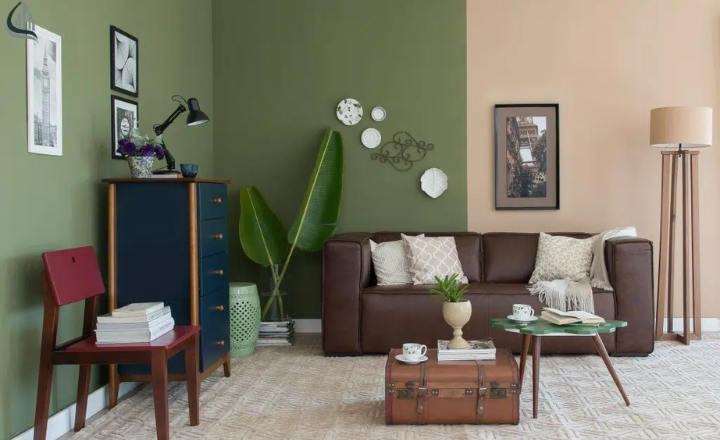
For living rooms, think about a color-blocking accent wall behind your sofa. Don’t shy away from hallways either; a two-tone design can turn a narrow corridor into a stylish passageway. Use cheerful colors to brighten darker areas or utilize darker shades to.
A Horizontal Two-Tone Wall
By dividing your wall horizontally, you can cleverly manipulate room width. Choose lighter hues for the upper portion to lift the ceiling visually and deeper tones for the lower half to ground the room, enhancing that cozy vibe.
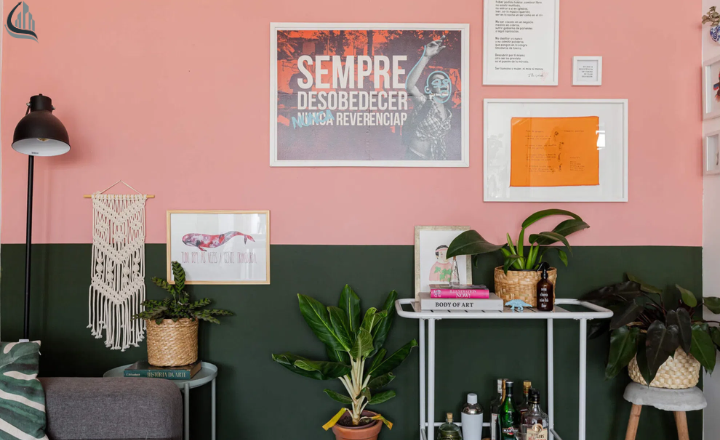
When it comes to color blocking, think beyond traditional combos. Pair soft pastels with earthy tones or vibrant colors for a bold statement. For the DIY lovers out there, a horizontal accent wall can be both an exciting projec. Add textures like wood or wallpaper in your design for added visual interest.
The Position of the Light and Dark Color in a Two-Tone Wall
When it comes to two-tone wall color combinations, the placement of color schemes can dramatically impact your space. Go for light colors on top and darker shades on the bottom can create a sense of height. This technique also visually balances the room. On the flip side, applying dark colors at the bottom can ground the room.
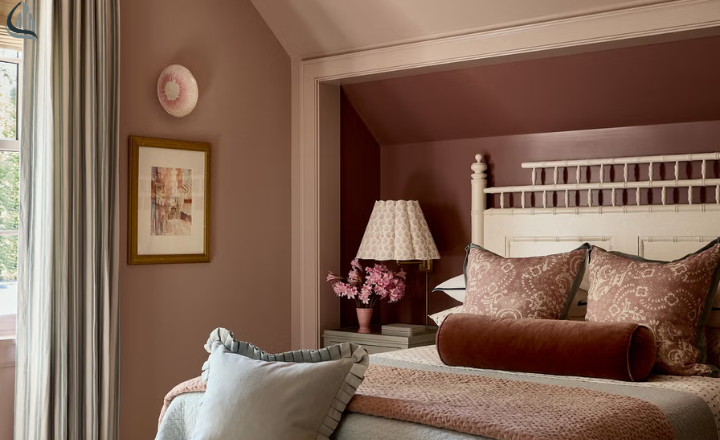
For instance, if you have gorgeous artwork or a fireplace, consider a dark wall behind it to draw attention, while keeping adjacent walls light for contrast. This not only highlights the focal area but also adds depth to your interior decorating.
Placement of the Dividing Line in Two-Tone Walls
When creating a stunning two-tone wall with a distinct dividing line, consider the height that best suits the room’s function. For spaces like living rooms and bedrooms, a lower dividing line typically creates a cozy feel, while higher lines work beautifully in areas like kitchens and dining rooms. Measure the height of your furniture; placing the line just above tall pieces like sofas or cabinets.
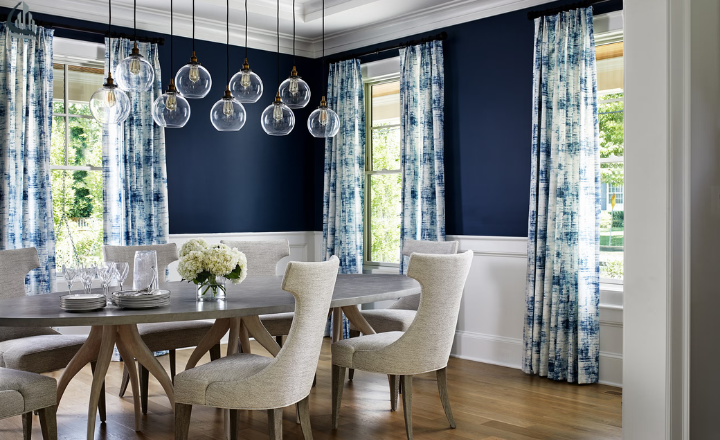
Don’t forget to factor in the room’s natural light! A well-lit space can handle bolder color contrasts, while darker rooms might benefit from subtler shades to avoid overwhelming the senses. Additionally, use wall painting techniques that allow the two-tone hues to complement each other. With these wall dividing line tips, you can create a modern wall design.
How To Choose Colors for Your Two-Tone Wall
Selecting the right two-tone wall color combinations can transform your space into a haven of style and comfort. Start with neutral tones for a serene backdrop; pairing soft grays with a warm beige creates a calm atmosphere. If you’re feeling adventurous, explore ton-sur-ton wall designs and layer different shades of the same color.
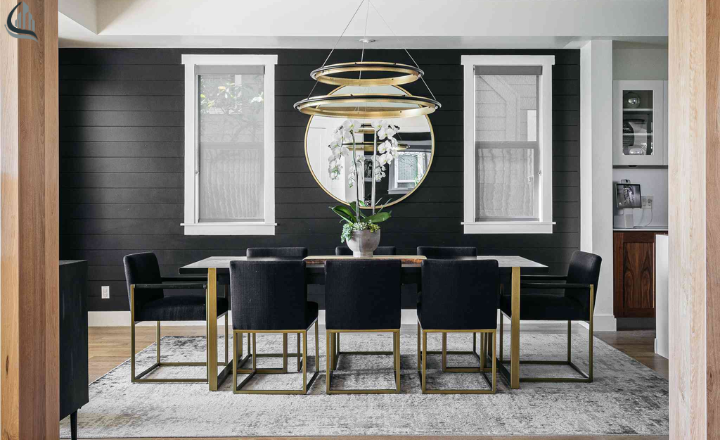
Bold wall colors like deep teal or rich mustard can add dynamism when combined with lighter tones. If you’re working with a smaller room, stick to lighter combinations or a slight variation of a neutral accent wall. Use these modern wall paint tips to ensure your chosen palette reflects not just your style, but also elevates the energy of your home. With a little creativity and these insights, you’re bound to find the perfect pairing.
Neutral Colored Two-Tone Wall
Neutral two-tone walls are a fantastic way to elevate your interior. By combining soft accent walls with subtle wall colors, you can effortlessly transform any space into a calming retreat. A warm beige on the bottom half paired with a gentle white above. These choices in a neutral color palette offer versatility, making it easy to switch up decor without repainting.
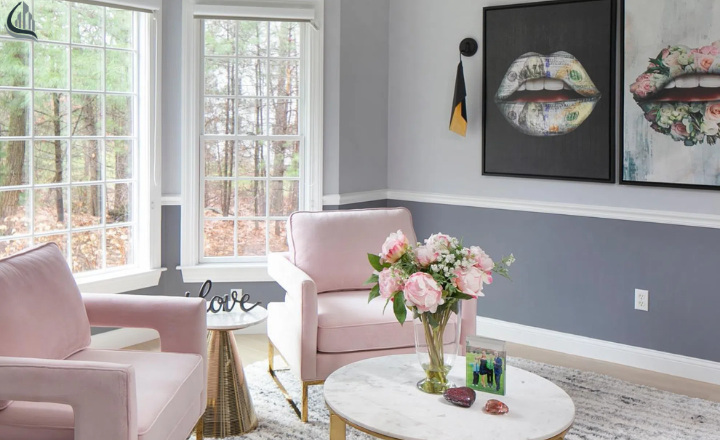
Two-tone paint ideas are not just for large spaces; they work wonders in cozy nooks or small rooms too! You can play with heights and shapes, like adding a soft accent wall behind your bed or a unique wainscoting detail in a hallway.
Subtle Pastel Two-Tone Wall
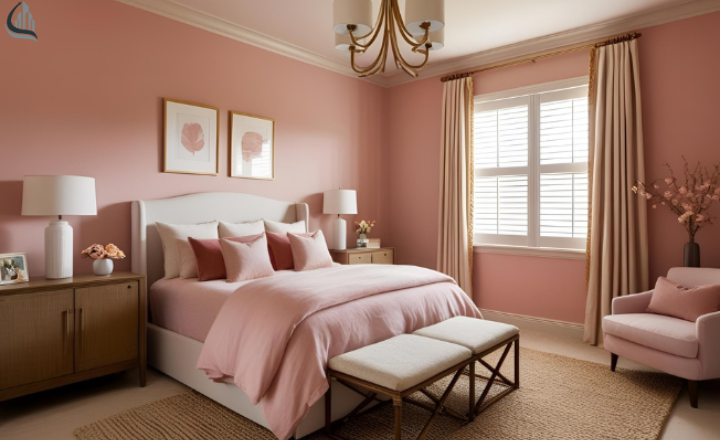
A subtle pastel two-tone wall combines soft, muted colors to create a calm and inviting atmosphere in any room. This design works beautifully in bedrooms, living rooms, or home offices, adding depth and interest without overwhelming the space.
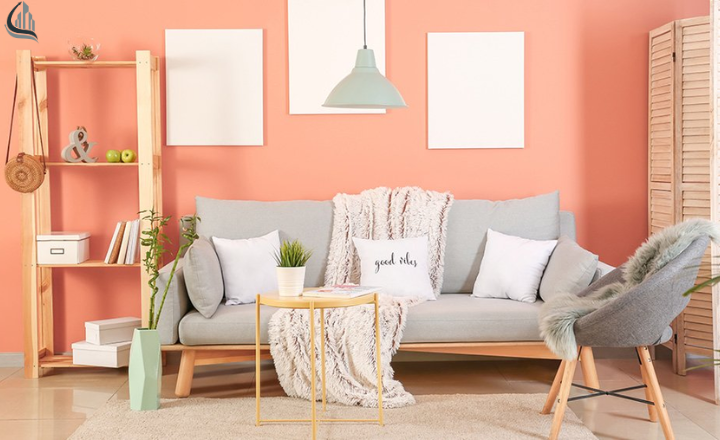
By pairing complementary pastel shades, you can achieve a modern, elegant look that enhances natural light and harmonizes with furniture and decor. This approach is perfect for those who want a stylish accent wall while keeping the room serene and balanced.
A Two-Tone Wall with Bold Colors
A two-tone wall instantly gives a room attitude, but only when you commit to bold shades that actually stand out. The idea is simple: split the wall horizontally or vertically, then pair two confident colors that create contrast instead of blending into each other. Deep navy with crisp white, charcoal with mustard, or forest green with blush are combinations that instantly lift the room’s energy and make the space feel purposeful.
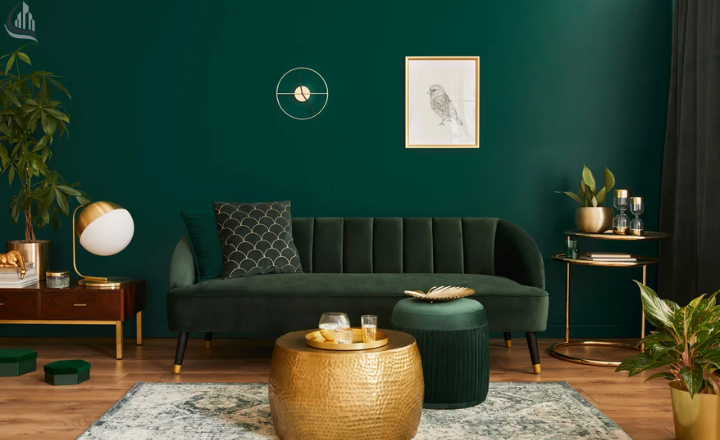
Keep the darker shade at the bottom if you want the room to feel grounded and structured. Use the lighter tone on top to pull the eye upward and create visual height. If you want a more dramatic look, flip the tones or use a bold vertical split behind a focal point like a bed, a sofa, or an entryway console. The sharper the contrast, the more modern and curated the space feels.
Bold two-tone walls work best when the rest of the room supports the palette. Add a few matching accents like cushions, artwork, plants, or light fixtures. Keep furniture simple to let the wall stay the hero. When done right, this style becomes a powerful backdrop that makes even small or plain rooms feel designed with intention.
How To Paint a Two-Tone Wall: A Step-by-Step Plan
To transform your space with a two-tone wall, start by gathering essential tools: painter’s tape, a level, measuring tape, a roller, a brush, drop cloths, and paint in your chosen colors.Here are some steps to paint a two-tone wall:
Read more about living room paint ideas.
Step 1: Measure Your Wall
Start by measuring the full height and width of the wall. Decide exactly where you want the color split — halfway, one-third, or two-thirds. Mark the measurement on both sides of the wall using a pencil. Accurate measurements keep the line straight and stop the wall from looking uneven or sloppy.
Step 2: Add the Light Color to Your Wall
Paint the entire wall using the lighter shade. Light colors usually need two or three coats to look even and professional. Roll in smooth, overlapping strokes and avoid leaving heavy edges. Let it dry fully and rushing this step often leads to peeling when you apply tape. A fully dried base coat makes everything else easier.
Step 3: Use Chalk to Mark the Dividing Line
Once the light color is dry, use a chalk line or a long level to draw the dividing line. Chalk gives a soft guide that wipes away easily and doesn’t leave permanent marks. Make sure the line is perfectly straight and matches the measurements you marked earlier. This step sets the foundation for a clean two-tone finish.
Step 4: Tape the Wall
Lay painter’s tape directly along the chalk line. Press firmly along the entire edge to seal it. Any loose section will allow the darker paint to bleed through, ruining the sharp contrast you want. For best results, run your finger or a plastic scraper along the tape to lock it tightly to the wall.
Step 5: Add the Dark Color to Your Wall
Paint the second section using the darker shade. Apply steady strokes and avoid pressing too hard or loading too much paint on the roller. Paint slightly over the tape so the line looks complete and solid. Darker shades often dry smoother, but any mistakes will be more visible, so stay controlled and consistent.
Step 6: Remove the Tape
Pull the tape off slowly at a 45-degree angle while the paint is still slightly tacky. This timing gives you a crisp edge without tearing paint or leaving jagged lines. If there’s any minor bleeding or unevenness, fix it immediately with a small detail brush for a sharp, clean finish.
Accent Wall Ideas with Patterns or Textures
Start by introducing geometric shapes; think triangles or hexagons in contrasting colors to add a contemporary flair. This method not only creates vibrant patterns but also enhances the visual impact of your color-blocked accent wall, making it a stunning focal point that draws the eye.
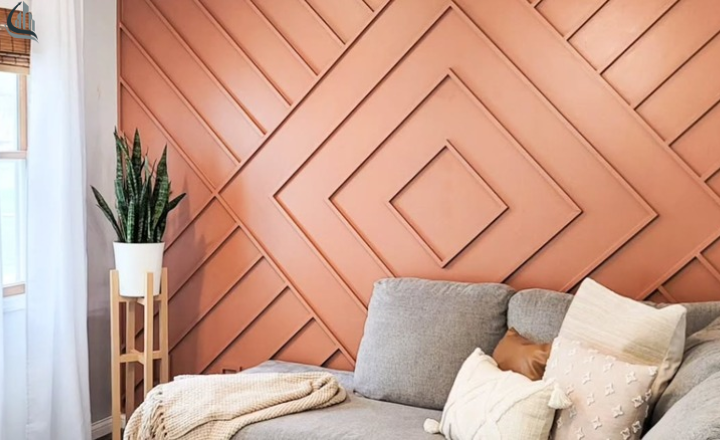
Another exciting option is to add stripes, either bold or subtle. Horizontal stripes can make a room feel wider, while vertical ones can create a sense of height. Pairing these with textured finishes like a sponge or stenciled effect will further elevate your DIY wall designs, adding depth and personality.
Complementary Decor Tips for Two-Tone Walls
When decorating with two-tone walls, it’s essential to choose furniture, artwork, lighting, and decorative accessories that enhance your accent wall design while maintaining a cohesive look. For instance, selecting furniture in complementary colors. Think about soft whites or warm neutrals for larger pieces, which can help ground the room and allow the wall colors to shine.
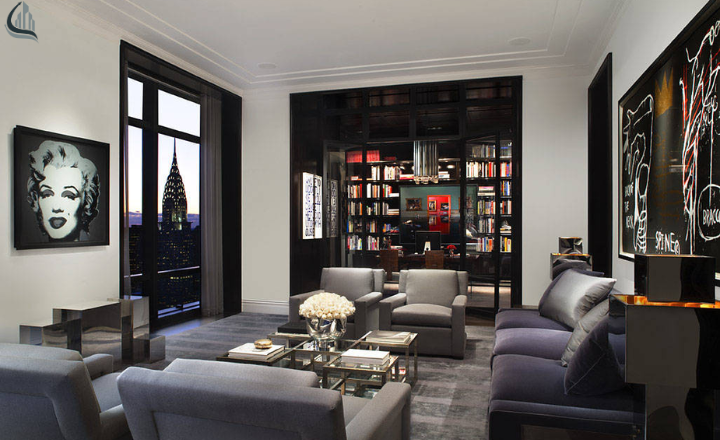
Artworks can work wonders in accentuating the beauty of color contrast in your interior styling. Choose pieces that reflect the hues on your walls, pulling in shades from both tones to create a harmonious connection.
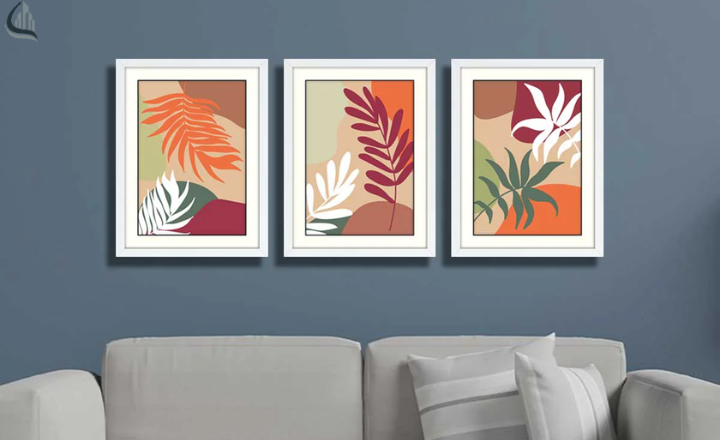
Lighting plays a pivotal role too; fixtures with unique designs or warm glows can direct attention to the wall, enhancing its impact. Lastly, don’t forget the power of decorative accessories like chairs,table, cushions, vases, or wall decor ideas with pops of color.By thoughtfully combining these elements, you not only finish your wall makeover beautifully but also create an inviting atmosphere.
Conclusion
Two-tone walls are an easy and stylish way to refresh any room. By choosing the right colors, layout, and dividing line, you can create a striking accent wall that reflects your style. Whether you opt for bold contrasts or subtle neutrals, a well-planned two-tone wall adds depth, personality, and a modern touch to your home. Follow simple steps, and even a DIY approach can deliver professional-looking results that elevate your interior instantly.
FAQs
What is a two-tone wall?
A two-tone wall is a wall painted in two different colors, either horizontally or vertically. This fun technique adds depth and character to a room!
What is the most popular wall color?
The most popular wall color is often a soft neutral, like white or light gray. These colors create a cozy backdrop and go well with any decor!
How high should a two-tone wall be?
Typically, a two-tone wall should reach about one-third to one-half of the wall height. This balance creates a pleasing look that’s not too overwhelming.
How to do a two-tone paint?
Start by painting the entire wall in your base color. Once it’s dry, tape off the area for your second color and paint above or below the tape. Remove the tape while the paint is still wet for a clean line!
How to create a two-tone wall?
To create a two-tone wall, choose your colors, paint the base color first, tape off the area for the second color, and finish with your second shade. Voila, you’ve got a stylish two-tone wall!
What are the benefits of a two-tone wall?
A two-tone wall can make a room feel taller or wider, highlight architectural features, and express personal style. It’s an easy way to refresh your space without major renovations!