
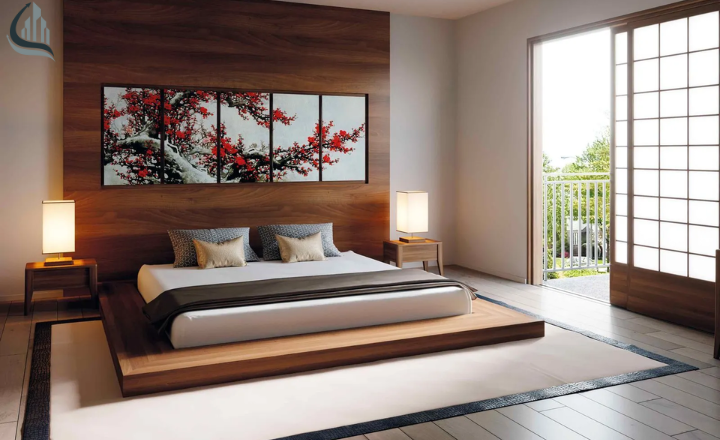
The art of Japanese bedroom design offers just that: a sanctuary of simplicity, nature, and mindfulness. By seamlessly blending natural materials, neutral colors, and balanced open spaces, these bedrooms provide a serene atmosphere that nurtures peace and relaxation.
By utilizing natural materials and neutral tones, these spaces create an atmosphere that encourages relaxation and mindfulness. In this article, we will explore the timeless essence of Japanese-style bedrooms, revealing practical tips to help you transform your living space into a tranquil retreat that resonates with cultural aesthetics and inner harmony.
1. Futon Mattress
In Japanese bedroom design, the futon mattress embodies simplicity and functionality. Its lightweight, foldable nature allows for easy storage during the day, freeing up space for various activities and promoting a clutter-free environment. This traditional bedding reflects the Japanese philosophy of mindful living, where every item serves a purpose and contributes to overall well-being.
2. Tatami Mats
Made primarily from rice straw and woven rush grass, these mats bring a tactile warmth to the space that feels both inviting and grounding. As you step onto a Tatami mat, the gentle texture beneath your feet offers comfort, creating a serene foundation. Their subtle colors and natural materials enhance the room’s harmony, promoting a sense of order that resonates throughout the home.
3. Shoji Screens
In a modern Japanese-style bedroom, Shoji screens serve as both elegant decor and practical space dividers. These sliding panels, crafted from lightweight wood and delicate paper, allow soft, diffused light to cascade into the room. As light filters through, it casts gentle shadows.
The minimalist beauty of Shoji screens embodies the essence of Japanese design, promoting a sense of calm and openness. Their versatile nature allows homeowners to easily transform a room, creating intimate nooks or open areas as needed.
4. Low Wooden Bed Frame
A low wooden bed frame captures the essence of Japanese design with its simple elegance and grounded form. Sitting close to the floor, it creates a sense of stability that resonates with both the body and mind.
Crafted from natural wood, these bed frames bring warmth and texture to minimalist spaces. The clean lines and rich, organic tones promote a clutter-free environment, inviting tranquility into your bedroom. When you enter a room with one of these frames, you immediately feel a sense of calm.
5. Neutral Color Palette
Neutral color palettes play a central role in defining Japanese bedroom design, creating serene and inviting spaces. Soft earth tones like beige, gray, and cream instill a sense of calmness, allowing the mind to unwind. Light flow is enhanced in these calming spaces, allowing warmth to fill the room. The subtle hues also highlight textures, such as wood grain or woven textiles,
6. Minimalist Decor
Japanese bedroom design embodies the essence of minimalist decor through the intentional use of fewer, yet purposeful elements. Each piece of furniture, from tatami mats to low-profile beds, is chosen for its functionality and simplicity.
Natural materials play a vital role in enhancing this calm atmosphere. Wood, bamboo, and rice paper reflect the beauty of nature, encouraging a sense of mindfulness. The focus on open space allows for movement.
7. Natural Light
Natural light is a vital element in Japanese bedrooms, creating an atmosphere of tranquility and openness. The gentle, diffused sunlight that filters through windows and sliding doors softens the space, promoting a sense of calmness.
Shoji screens, traditional sliding doors made of wooden frames and rice paper, are particularly effective in maintaining brightness while connecting the interior with nature. They allow light to pour in, casting delicate patterns across the room, and can be adjusted to control the light’s intensity.
8. Indoor Plants
Adding indoor plants to Japanese bedroom design instantly breathes life and freshness into the space. Plants such as bonsai and bamboo add a touch of elegance. The delicate lines of a bonsai tree can serve as a living piece of art while the graceful stalks of bamboo evoke a balance.
Low-maintenance options like pothos or snake plants are perfect for those seeking simplicity without sacrificing style. Their vibrant green leaves complement the minimalist design, making the bedroom feel refreshing and serene.
9. Paper Lanterns
Paper lanterns in Japanese bedrooms bring a unique charm. Their soft, warm glow provides an inviting atmosphere, perfect for unwinding after a long day. The traditional look of these lanterns adds a touch of authenticity, infusing spaces with rich cultural heritage. The gentle light casts soft shadows, giving the room a cozy, relaxing feel.
10. Wooden Furniture
Wooden furniture is a key element in Japanese bedroom design, bringing warmth and natural beauty to any space. The rich textures of wood, whether smooth or rugged, create a soothing atmosphere that enhances relaxation. Clean lines in the furniture promote a sense of order. Functional wooden pieces, such as low-profile beds or simple storage units, not only serve a purpose but also add to the room’s overall balance.
11. Calligraphy Art
Incorporating calligraphy art into Japanese bedrooms introduces a layer of cultural richness. Each brushstroke carries meaning, often reflecting philosophies like peace and harmony. This thoughtful addition transforms a simple wall into a canvas of stories. The beauty of these artworks lies in their simplicity and restraint. A delicate character painted in black against a soft white backdrop, drawing the eye without creating visual noise.
12. Zen Garden Elements
A small rock garden, carefully arranged with smooth stones and fine gravel, offers a canvas for your thoughts. You can rake patterns in the sand that promote calmness, inviting mindfulness into your daily routine.
Miniature water features, like a small bamboo fountain or pebble stream, add a soothing auditory backdrop. Greenery like bonsai trees can strengthen the connection to nature. Together, these elements work harmoniously to design a beautiful garden within your bedroom.
13. Floor Cushions
In Japanese-style bedrooms, floor cushions offer a perfect blend of comfort and versatility. These cushions invite relaxation, making them ideal for lounging, reading, or even meditating. Their low-profile design complements minimalist aesthetics, creating a tranquil atmosphere
Floor cushions can be easily stored or rearranged, offering limitless seating options. This flexibility not only maintains the room’s spacious feel but also adapts to different activities.
14. Kakejiku (Hanging Scrolls)
Using Kakejiku, or hanging scrolls, in Japanese-inspired bedrooms adds a touch of traditional art that transforms the space. These elegant scrolls often feature serene landscapes, calligraphy, or seasonal motifs, each carrying deep cultural meaning.
Selecting a Kakejiku can become a personal storytelling journey, reflecting your tastes and emotions. The soft tones and delicate artistry boost visual interest. When placed strategically, these scrolls can harmonize with other elements.
15. Sliding Closet Doors
Sliding closet doors are a perfect choice for traditional Japanese bedrooms, enhancing both functionality and beauty. By opting for materials like wood or frosted glass, you can achieve a sleek and serene look. Sliding doors also maintain clean lines, a hallmark of Japanese interiors. The smooth, effortless glide of the doors allows for a seamless transition, enhancing the calming atmosphere. Wood adds warmth, while frosted glass offers a modern touch.
16. Kimono on Display
Kimonos, with their intricate designs and rich history, transform a bedroom into a serene oasis. By hanging them on elegant racks, they become both decorative art and cultural treasures. Framed displays elevate kimonos further, turning them into wall art that adds a splash of color and sophistication. Choose soft lighting to gently accentuate their textures and colors, inviting calm energy into your space.
17. Bamboo Flutes or Wind Chimes
These natural instruments create gentle, melodic sounds that bring a sense of calm and tranquility. The soothing tones can help drown out noise. When hung near a window or in the corner of the room, they catch the breeze. Choosing bamboo for its organic materials. Placing these instruments thoughtfully is key; consider hanging wind chimes where they won’t clash with other decor. A small bamboo flute on a bedside table can serve as a beautiful accent.
18. Platform Bed
In Japanese bedroom design, a low platform bed embodies the essence of simplicity and functionality. These beds encourage a sense of openness. This design choice resonates with the Japanese belief. Natural wood finishes play a vital role in enhancing the minimalist décor. The clean lines of a low platform bed provide an elegant backdrop.
19. Rice Paper Lamps
The glow they emit creates a warm ambiance, perfect for winding down. The natural textures of rice paper add an organic feel, bringing a touch of serenity to any room. These lamps become focal points if you choose delicate pendant lights above your dining table. A larger lamp can anchor a spacious living room, while smaller table lamps are ideal for intimate settings like a bedroom or reading nook.
20. Wooden Bowls and Trays
Wooden bowls and trays can truly elevate the ambiance of a Japanese bedroom, merging practicality with aesthetic appeal. These handcrafted pieces serve as perfect organizers for small items like jewelry, keys, or office supplies, ensuring that your space remains clutter-free.
The rich texture and earthy tones of wood create an inviting contrast against minimalist décor. Strategically place a wooden bowl on a nightstand or a tray on a low table,
21. Stone Lanterns
These lanterns offer a traditional aesthetic, blending seamlessly with natural elements like plants and wood. Their subtle presence encourages a sense of calm, as the soft glow they emit creates a peaceful ambiance.
Position a stone lantern near a window or in a cozy corner. Soft light filtering through the leaves of a nearby plant, casting gentle shadows that dance across the walls.
22. Traditional Japanese Textiles
Use traditional Japanese textiles like futon covers, cushions, and throws. The intricate patterns, often inspired by nature, tell stories of cultural heritage. You might find motifs like cherry blossoms or waves, each symbolizing beauty and tranquility. The softness of a well-made futon cover or a plush cushion. Plus, the sustainability of natural fabrics adds an eco-friendly touch to your decor.
23. Ink Paintings
Displaying Japanese ink paintings in your space brings a touch of serenity. Their minimalist style emphasizes clean lines and subtle details, allowing them to stand out without overwhelming the surroundings. Pairing them with natural materials like wood or stone can amplify their elegance, making the entire space feel more balanced. Using simple frames or even no frame at all.
24. Woven Baskets
Woven baskets are a wonderfully versatile addition to any space, blending functionality with natural beauty. Their textured surfaces make them perfect for organizing items while enhancing the overall aesthetic. Woven baskets lend a minimalistic charm to your decor. Choose baskets in various sizes to create visual interest, arranging them on shelves or tables for a curated look.
25. Ceramic Vases
Ceramic vases are a beautiful addition to a Japanese bedroom, embodying simplicity and elegance. Choosing a vase with earthy tones enhances the organic feel, inviting nature indoors. Placing a vase on a low table or a gentle shelf. These vases serve a dual purpose, offering a perfect spot for fresh flowers or delicate branches.
26. Noren Curtains
Noren curtains are a remarkable addition to any Japanese-inspired room, serving as elegant dividers that enhance both functionality and aesthetics. These fabric panels gently separate areas. Their lightweight design allows natural light to filter through, casting a soft glow. Available in various colors and patterns, they can complement your existing decor or become a focal point, immersing your room in traditional charm.
27. Sake Set
In a Japanese bedroom or tea corner, a sake set does more than just hold the traditional beverage. Often made of delicate ceramics or glass, these sets feature minimalistic designs. The soft colors and smooth lines evoke a sense of calm, making them perfect additions to any peaceful space. When friends or family gather, sharing sake becomes a ritual, fostering connections and deepening bonds.
28. Tea Ceremony Utensils
Displaying tea ceremony utensils in a Japanese bedroom or corner can transform the space into a serene retreat. Their unpretentious designs often feature earthy tones and simple shapes.
As you enter the space, the sight of these utensils invites you to slow down and embrace the art of mindfulness. The act of brewing tea can become a calming ritual, promoting reflection and tranquility.
29. Washi Tape
Washi tape is a game-changer for anyone looking to infuse their Japanese-inspired room with creativity. Its delicate patterns and soft colors can transform plain walls into a canvas of subtle beauty.
Washi tape offers possibilities for personalizing furniture. Add a thin line of tape to the edges of a table or dresser. You can even use it to design custom bookmarks or motifs on picture frames, adding character without clutter.
30. Japanese Lanterns (Outdoor Style)
Their soft, ambient glow transforms the space, casting gentle shadows that dance across walls and plants, inviting you to unwind. The traditional designs, often crafted from wood or stone, add an aesthetic charm. Whether strategically placed among potted plants or hanging delicately from above, they offer an inviting atmosphere that encourages quiet reflection.
31. Incense Burner
As the delicate smoke curls upward, it fills the space with subtle fragrances that soothe the mind and body, creating the perfect atmosphere for relaxation. The beauty of an incense burner lies in its design, which often complements traditional Japanese decor. Crafted from natural materials like ceramic or wood, it enhances the minimalist aesthetic of the room. Placing the burner near a window allows the scent to drift outside, harmonizing your space with nature.
32. Kotatsu Table
This traditional low table, covered with a thick blanket, is powered by a heater underneath. Curling up with a warm drink, your feet nestled underneath the blanket, as you share stories or enjoy a casual meal.A kotatsu table provides comfort during chilly months. Its low height encourages intimate conversations, making it easy to connect with loved ones over board games or tea ceremonies.
33. Origami Decorations
In a Japanese-inspired room, origami decorations can transform the atmosphere with their delicate charm. These folded paper creations bring a unique aesthetic. Small cranes or vibrant butterflies suspended from the ceiling can create a floating effect.
Origami also allows for subtle color without overwhelming the space. Choose soft pastels or earthy tones that blend seamlessly with your decor. Plus, each piece can be a personal expression, reflecting your style and creativity.
33. Sliding Fusuma Doors for Flexible Space
Sliding fusuma doors are a brilliant solution for creating versatile rooms within a Japanese bedroom. These elegant doors separate spaces. Their minimalist design emphasizes clean lines. They can hide built-in storage, keeping the room tidy and organized, or slide open to seamlessly connect different areas. When closed, they provide a sense of privacy.
35. Decorative Ceramic Tea Pots and Trays
Decorative ceramic tea pots and trays can transform your bedroom into a tranquil oasis inspired by authentic Japanese style. Place these pieces on low tables or shelves.
Using these items for tea rituals adds a layer of functionality that blends seamlessly with their artistic charm. Imagine waking up to the soothing ritual of brewing tea, surrounded by the warmth and subtle beauty of your decorative pieces.
Conclusion
A Japanese bedroom design offers a beautiful mix of simplicity and purpose, creating a space that feels peaceful and inviting. Each element, from tatami mats to shoji screens, is chosen to enhance the overall calmness of the room.
The clever use of natural light and plants not only livens up the space but also brings a touch of nature indoors. By adding personal touches like artwork or handcrafted items, you can make this serene space truly your own. Embracing this style can transform your bedroom into a comforting retreat.
FAQs
- How to design a Japanese-style bedroom?
To design a Japanese-style bedroom, focus on simplicity, natural materials, and minimal decor. Use a low bed, shoji screens, and soothing colors for a calm vibe. - What is a Japanese-style bedroom called?
This bedroom is often referred to as a “washitsu,” characterized by tatami mats, sliding doors, and traditional décor. - Which style is best for a bedroom?
The best style for a bedroom depends on your personal taste. Popular options include minimalist, bohemian, and modern, each offering a unique comfort. - How to make a zen bedroom?
To create a zen bedroom, declutter the space, use soft lighting, incorporate natural elements like plants, and choose soothing colors to promote relaxation. - What is the 3 4 5 rule in interior design?
The 3 4 5 rule helps you create balance in your space. Essentially, use three elements, such as color, texture, and shape, to make your room feel harmonious. - How to create a Moroccan bedroom?
To create a Moroccan bedroom, use vibrant colors, intricate patterns, and rich textiles. Incorporate lanterns and plush cushions for an authentic touch.