
If you ever feel like your open space lacks a sense of warmth or definition, then wooden room partition ideas could be the perfect solution. These versatile designs can help separate areas without making your home feel closed off. If you have an open floor plan, you might feel the challenge of creating cozy areas while maintaining that airy feel.
In this article, we’ll delve into inspiring wooden room partition ideas that blend style and practicality seamlessly. By the end, you’ll discover how to enhance your living space with creative solutions that bring out the best in your home, all while keeping that inviting openness you love.
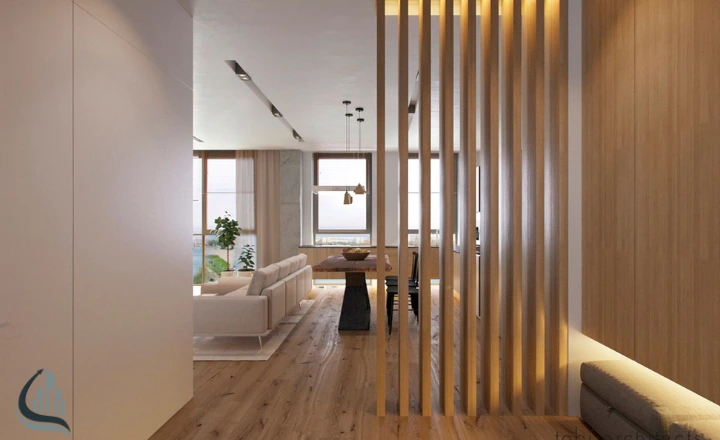
1. Airy Living Room with Wooden Partition
A wooden room partition can beautifully define spaces in an open living room while maintaining a bright and airy feel. Go for light-toned wood, like birch or pine, to keep the space feeling open and serene. Choose slatted or open designs that allow natural light to flow freely, creating a harmonious balance between separation and openness.
For a minimal approach, consider low wooden screens that define areas like reading nooks or workspaces without overwhelming the room. This subtle touch not only adds warmth but also enhances the overall aesthetic.
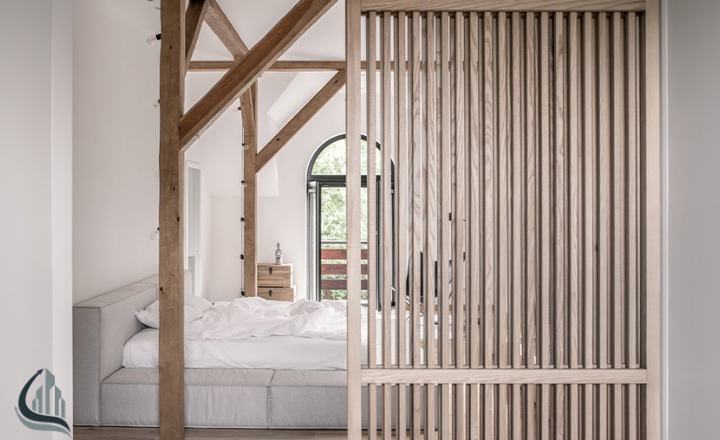
2. Cozy Reading Nook with a Wavy Wooden Partition
A cozy reading nook tucked away by a wavy wooden partition. The gentle curves of the wood create a soft visual barrier, turning an open space into a warm, inviting corner. Smooth finishes highlight the natural beauty of the wood, while deep, warm tones bring a calming vibe that feels like a hug.
Place a comfortable chair or a plush floor cushion near the partition, surrounded by fluffy blankets. Add soft lighting, like a stylish floor lamp or fairy lights, to create a soothing atmosphere perfect for getting lost in a book. With the wavy wooden partition, you carve out a serene spot that whispers “relax” every time .
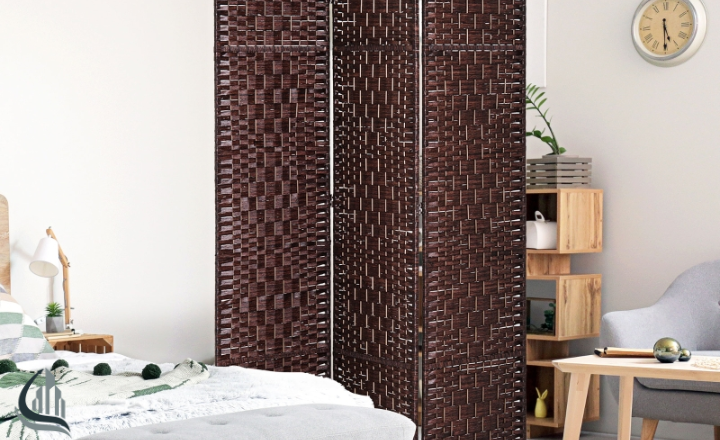
3. Contemporary Kitchen with Wooden Partition
A contemporary kitchen with a wooden partition cleverly balances style and functionality. Utilizing light or natural wood tones, this design element can feature vertical slats or geometric panels that define space without blocking light. This creates an airy feel, allowing the kitchen to connect with the dining room seamlessly.
Incorporating a wooden partition design not only adds visual interest but also serves practical purposes, like providing extra storage or display space for kitchen essentials. Choose slats spaced to permit a gentle sightline between spaces, or opt for a bold geometric pattern that serves as a stunning focal point.
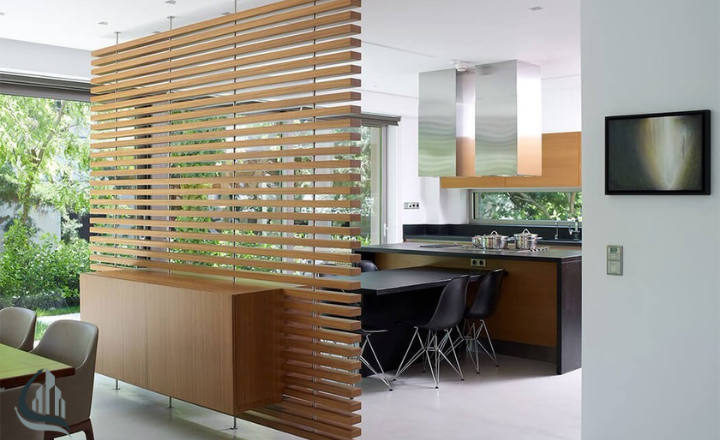
4. Plywood and Plexiglass Partition Wall
Using a plywood and Plexiglas partition wall is a smart way to define spaces like a home office and living room without feeling closed in. Plywood offers sturdy support, while plexiglass allows light to flow through, keeping the area bright and welcoming.
Not only does this design help to organize your layout, but it also encourages a modern aesthetic that fits well in various interiors. For a budget-friendly project, this simple idea gives you an affordable way to create a functional and appealing workspace at home.
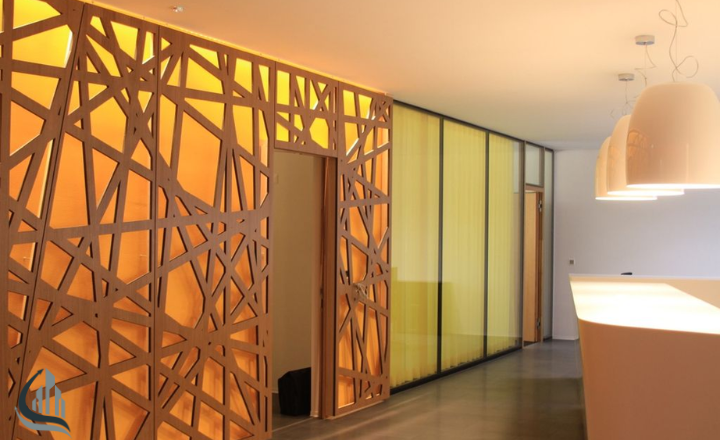
5. Cozy Studio Bedroom with Wooden Wall Divider
In a small studio, every corner matters. Slatted or foldable wooden panels allow light to filter through, ensuring that the studio feels airy instead of cramped. This kind of wooden partition wall design not only adds aesthetics but also provides a practical solution for delineating different areas in a multifunctional space.
When selecting your wooden divider, consider using a wood tone or finish that complements your existing decor. Light, natural finishes, for instance, can enhance a contemporary style, while darker woods may add warmth to a more rustic vibe.
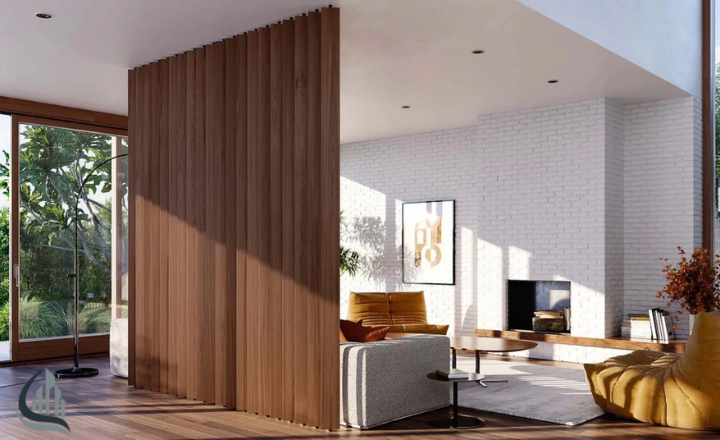
6. Contemporary Living Room with Wooden Room Partition
In a small studio, every corner matters. A wooden wall divider can be a game-changer in a studio bedroom, effortlessly creating a cozy space for sleeping while maintaining an open feel. Slatted or foldable wooden panels allow light to filter through, keeping the area bright while clearly separating different functions.
When choosing wood tones or finishes, looking for shades that complement your existing decor can enhance warmth and cohesion. For instance, if your studio features warm neutrals, opt for a honey or light oak finish. This connection ties the space together, making it feel intentional.
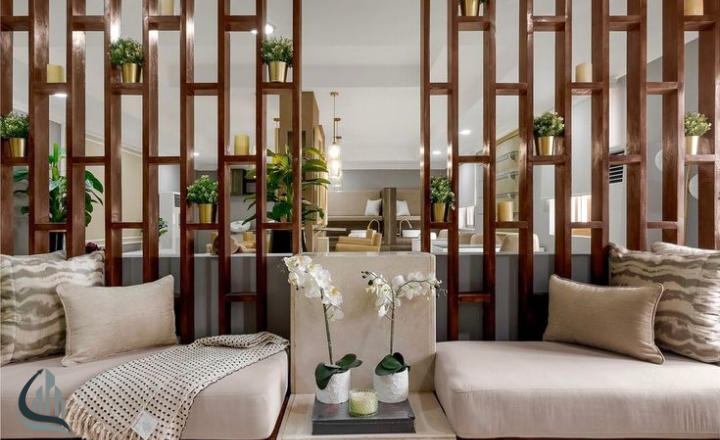
7. Wooden Room Separator in Modern Contemporary Living Room
A wooden room separator brings structure to a modern, contemporary living room without breaking its flow. Sleek wooden slats or panel dividers can help define zones, such as the lounge and dining area, while still keeping the space cohesive.
To achieve a modern and elegant look, try light wood finishes or matte surfaces that blend seamlessly with your decor. This not only elevates the aesthetic but also allows natural light to play through the spaces, enhancing the room’s ambiance. For a useful tip, consider pairing your wooden partition design for the living room with soft lighting or minimalist décor.
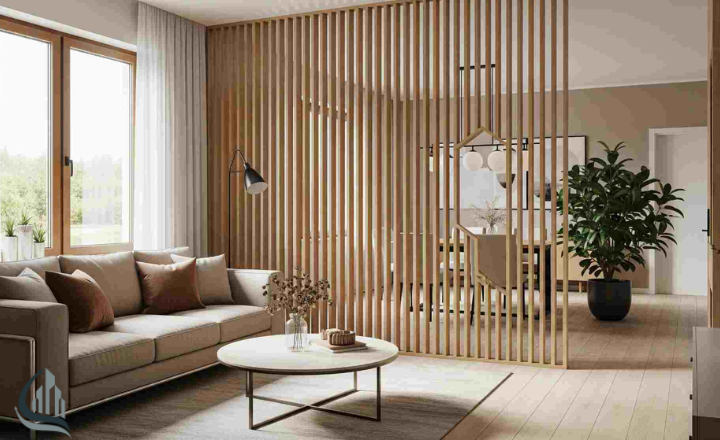
8. Sleek Home Office Featuring Wood Divider
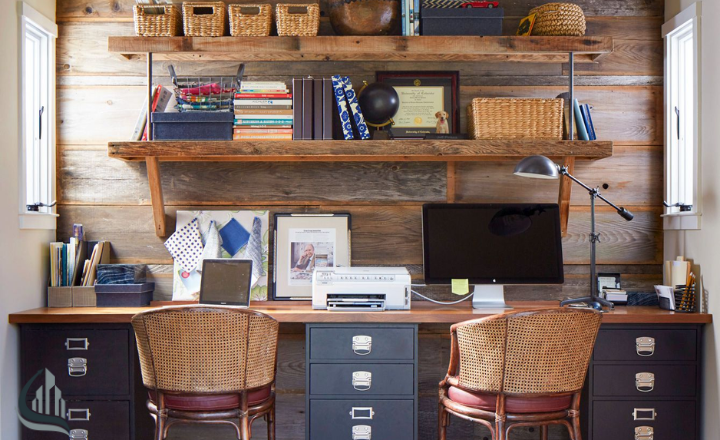
A wooden divider helps define your home office while keeping the layout open and bright. A slatted wood partition offers the perfect blend of privacy and openness. It creates a distinct workspace without making you feel boxed in. Light oak or walnut finishes add a warm touch that perfectly complements clean-lined furniture and neutral walls.
You can enhance the calming vibe by adding a small shelf or planter on the divider. This little detail introduces warmth and texture, making your office feel more inviting. A few plants can improve air quality and boost your mood, keeping you refreshed throughout the day.
9. Functional Room Divider with Vertical Wooden Slats
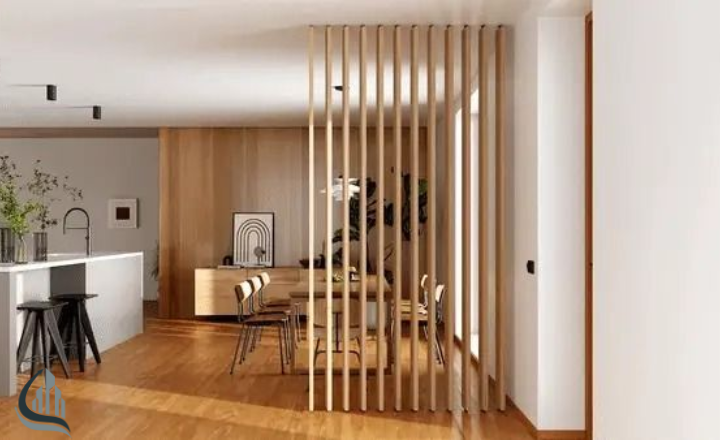
Vertical wooden slats are a simple way to separate areas while keeping your space open and bright. These slatted partitions allow light and airflow to pass through, maintaining a sense of connection between rooms. This clever design feature not only defines spaces but also enhances the overall brightness.
For a fresh, airy look, consider using light wood tones that reflect natural light and promote a tranquil atmosphere. Darker finishes can create a striking contrast in modern interiors, adding depth and sophistication to your design.
10. Modern Bathroom with Slatted Room Divider
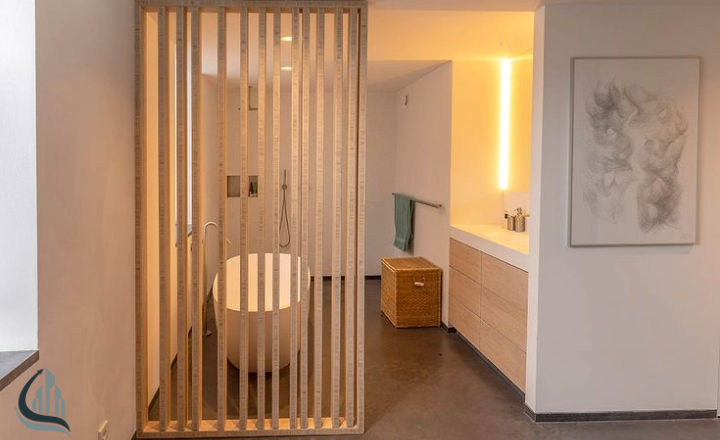
A slatted wooden divider adds privacy to modern bathrooms without blocking light or airflow. Using vertical or horizontal slats made from moisture-resistant wood, like teak or cedar, can elegantly separate the shower or vanity area.
Pairing the divider with neutral tiles and matte fixtures ensures a cohesive look that complements the wood’s warmth. Adding greenery, like small potted plants or hanging ferns.
Keep the spacing between slats consistent to balance privacy and openness. This thoughtful detail can transform your bathroom into a spa-like oasis where relaxation is just a step away.
11. Ceiling-to-Floor Wooden Screen Divider
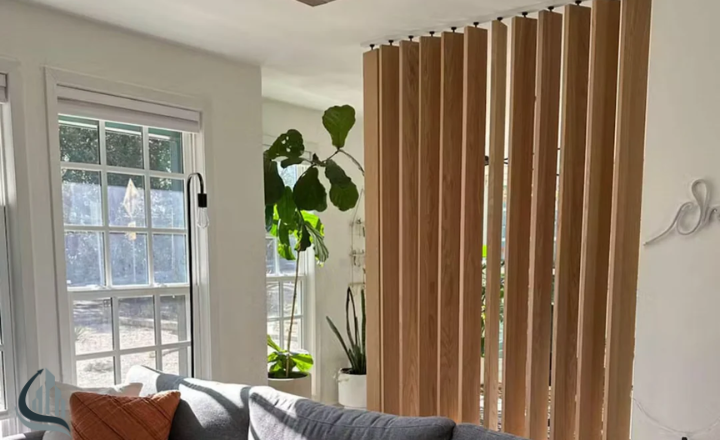
A ceiling-to-floor wooden screen divider is a stylish way to enhance privacy while preserving the airy feel of modern interiors. By strategically placing it between spaces, you can create a cozy nook without closing off the room. The natural wood texture adds warmth and character, making it an inviting focal point.
Additionally, these dividers maintain the flow of natural light, allowing it to dance through slats or openings. This design choice not only defines areas, like a home office in the living room, but also keeps the overall ambiance open and bright.
You can also get inspiration from simple ceiling bedroom ideas.
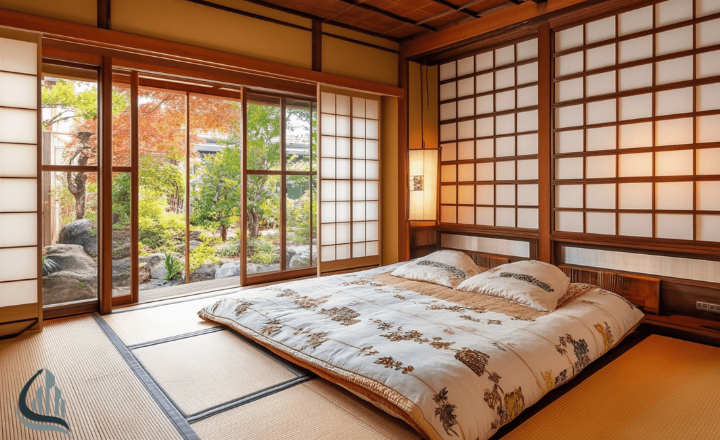
12. Japanese-Inspired Wooden Screens for Tranquil Spaces
Japanese-inspired wooden screens bring a serene touch to any space, acting as subtle dividers that promote both privacy and openness. Made from natural wood tones, these screens evoke a warm, inviting atmosphere, harmonizing beautifully with soft lighting.
Imagine placing one of these screens between a living area and a workspace, allowing light to filter through while softly delineating the two zones. You can use them to frame a cozy reading nook or as a backdrop for lush plants, creating a natural oasis within your home.
Read more about the modern Japanese home.
Conclusion
In conclusion, wooden room partitions offer a wonderful way to enhance the style and warmth of your open spaces while keeping them feeling airy and inviting. Whether you choose slatted designs that allow light to flow through or Japanese-inspired screens for a touch of elegance, these partitions can transform your home into a more functional and personalized oasis.
The beauty of wood also brings a calming effect, making your space feel cozy rather than closed off. Don’t be afraid to explore different styles and finishes to find what resonates with you. So grab your measuring tape and start dreaming about how wooden dividers can elevate your interiors.
FAQs
1. How do I partition a room off in an open space?
Use wooden slats, folding screens, or open shelving units to create separation without blocking light or airflow.
2. What is the cheapest way to partition a room?
Curtains, bamboo screens, or lightweight plywood panels are affordable options that still look stylish and functional.
3. What are some trending partition designs?
Slatted wood dividers, glass-and-wood hybrids, and minimalist grid frames are currently popular in modern homes.
4. How to section off a room without walls?
Try using furniture arrangements, rugs, or ceiling-mounted panels to define zones while keeping the space open and airy.
5. What is the 3 4 5 rule in interior design?
It’s a measurement guideline used to ensure balance and proportion when aligning furniture or architectural elements.
6. What is the cheapest way to build a temporary wall?
Use tension rods, lightweight drywall, or modular panels that can be removed easily without damaging floors or ceilings.
7. What is the 3-5-7 rule in decorating?
This design rule suggests grouping décor items in odd numbers—such as three, five, or seven—for a more natural, balanced visual appeal.