
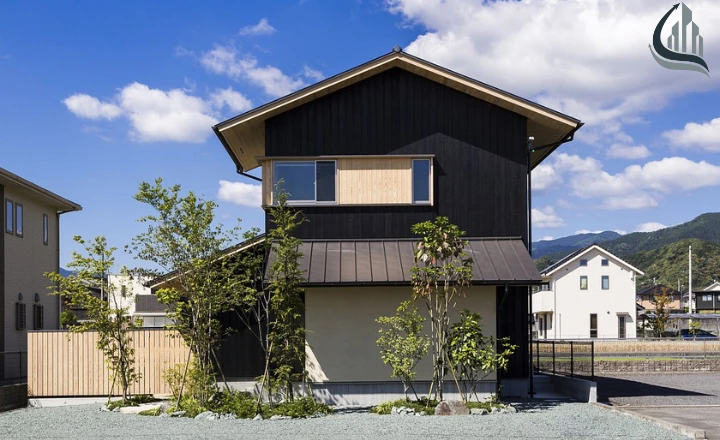
Walking into a modern Japanese home, where simplicity rules and every item has a purpose. Emphasizing minimalism, natural materials, and serene interiors, this design creates calm, functional living spaces. In this guide, you’ll explore the philosophy behind these homes and get practical tips to bring balance, beauty, and efficiency into your own space.
The Essence of Modern Japanese Home Design
This home design is built on the idea of calm, balance, and purpose. It follows the wabi-sabi philosophy that finds beauty in simple and imperfect things. Each space is open and uncluttered, with every object chosen carefully to bring peace and function. Natural colors, light wood, and soft textures help create a warm, relaxing mood.
Connection with nature is another key part of this style. Big windows, sliding screens, and open layouts let sunlight and fresh air flow through the home. This close link between indoors and outdoors helps the mind slow down and feel grounded, turning everyday living into a peaceful experience.
Blending Tradition with Contemporary Aesthetics
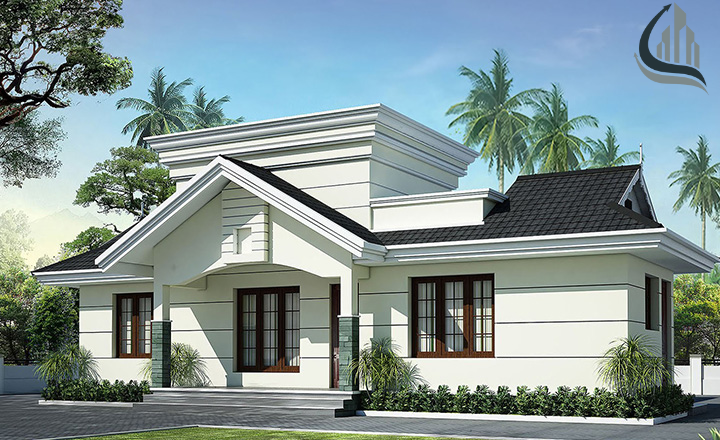
Japanese homes bring together old traditions and new design in a calm, balanced way. Wooden textures, sliding shoji doors, and tatami mats give a warm touch of history. At the same time, open layouts, simple furniture, and clean lines keep the space fresh and modern.
This mix of past and present creates a peaceful home that feels both familiar and new. Every detail works together to bring comfort, beauty, and a quiet sense of harmony.
Defining the Modern Japanese Home Aesthetic
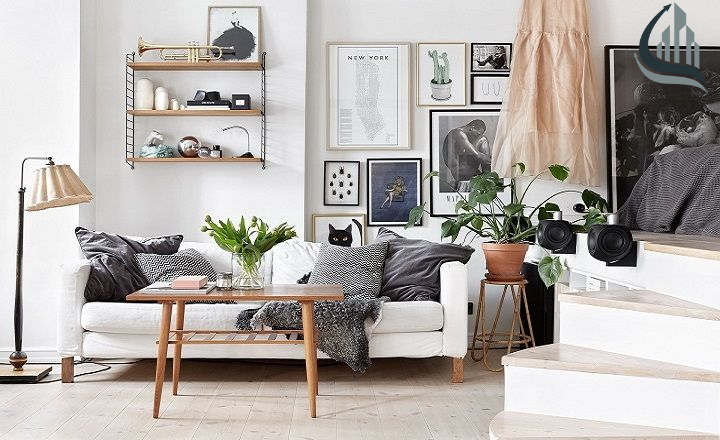
A Japanese home is known for its clean lines, open spaces, and peaceful flow. Large windows let in soft natural light, connecting the indoors with nature outside. Furniture is simple and practical, chosen not to fill space but to serve purpose and create balance. Every piece adds to the calm atmosphere, making the home feel organized and free.
Soft whites, beige, and earthy tones keep the look natural and warm. Wooden textures and indoor plants bring freshness and life, reminding you of nature’s quiet beauty. This design is not about showing off; it’s about feeling at ease in a space that’s simple, honest, and deeply calming.
Balancing Minimalism and Functionality
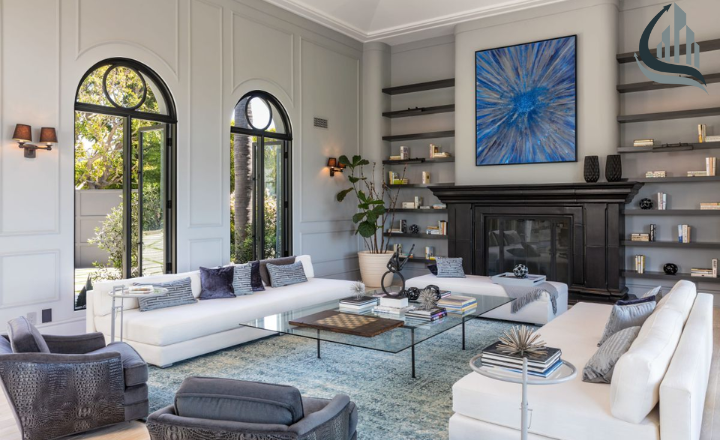
These homes find the perfect balance between simplicity and everyday comfort. Smart storage is a key feature; built-in shelves and hidden compartments keep rooms neat while keeping essentials close at hand. This approach keeps the space open and uncluttered without losing practicality.
Multipurpose furniture adds another layer of function. A fold-out bed, a dining table that becomes a desk, or movable partitions help make small areas feel bigger and more flexible. Open layouts and natural light complete the balance and create a clean, comfortable home.
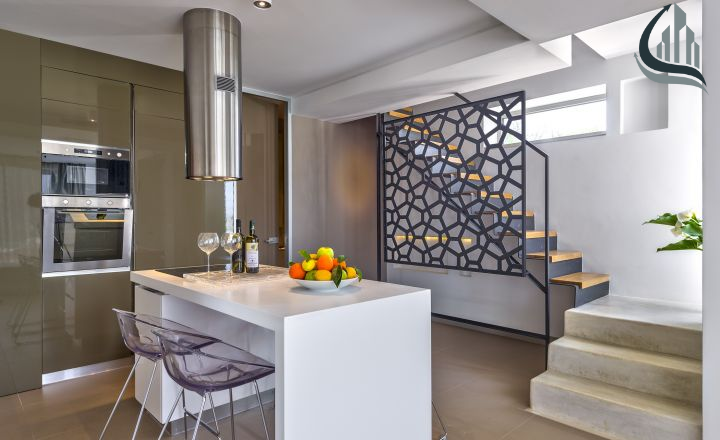
Exterior Architecture That Makes a Statement
This design focuses on clean geometry and balance. The exterior style avoids excess, relying instead on simple lines and natural textures to create impact. Wooden panels, stone details, and wide glass windows give the home a warm yet refined look, while open courtyards link the indoors and outdoors seamlessly.
Lighting adds quiet sophistication; soft exterior lights highlight the structure’s shape and materials without overpowering them. Roofs often combine traditional angles with modern finishes, creating harmony between heritage and innovation. Thoughtful landscaping with low-maintenance plants completes the scene.
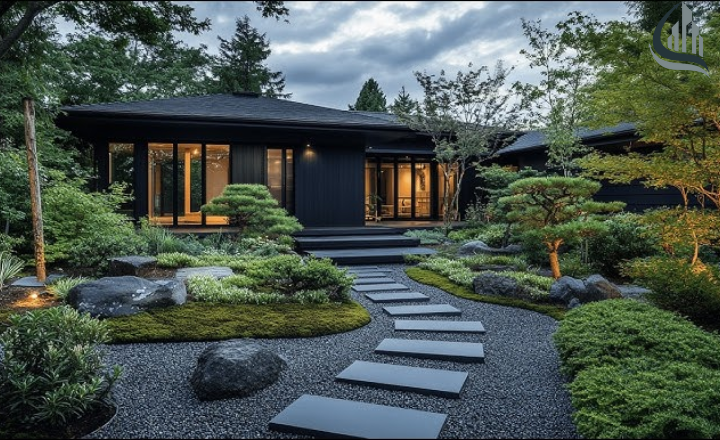
Modern Japanese Home Facade Innovations
Smart cladding materials adjust to weather changes, improving insulation while keeping the home’s simple, elegant look. Large glass panels, wood textures, and subtle metal accents work together to create façades that feel warm yet modern.
Sustainability drives much of this innovation. Recycled wood, energy-efficient panels, and solar-integrated roofs make these homes eco-friendly without losing their charm. Thoughtful exterior lighting highlights architectural lines after dark, turning the home into a peaceful visual statement. Every element serves a purpose; nothing is wasted, and nothing is loud.
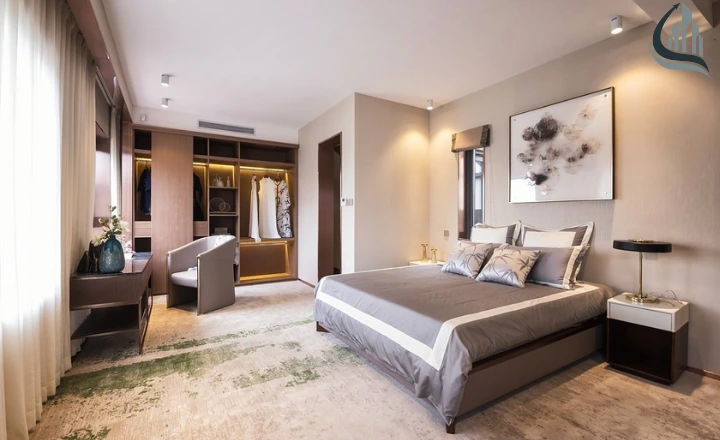
Creating Curb Appeal with Japanese-Inspired Elements
Use natural materials like wood and stone to shape your entryway. A wooden front door or stone pathway instantly adds warmth and texture. Add a small water feature, such as a pond or minimalist fountain, to bring calm and movement to the space.
Plants define the look. Choose bamboo, evergreen shrubs, or ornamental grasses that stay attractive year-round with little care. Finish with soft, ambient lighting using lanterns or low LED fixtures to highlight pathways and textures. These simple, well-balanced touches create a welcoming exterior that reflects the elegance of modern Japanese home design.
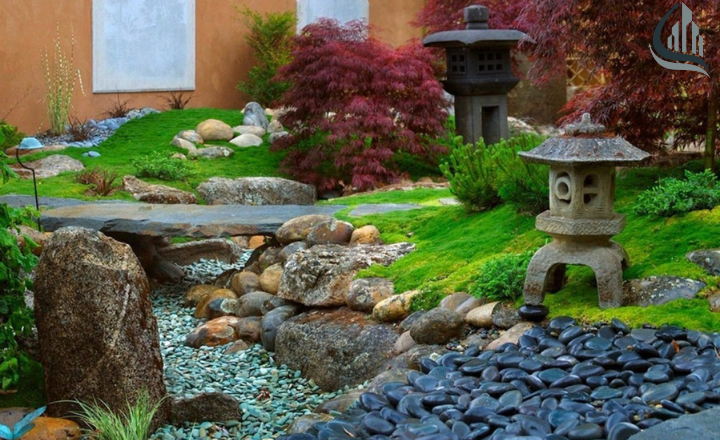
Reimagining Interior Spaces
Open layouts connect rooms naturally, making spaces feel larger and more peaceful. Sliding doors, or fusuma, help divide areas without breaking the flow, offering flexibility for daily living.
Natural light is a key feature, filling the home with warmth and balance. Soft, neutral colors like beige, white, and gray pair beautifully with wood textures and linen fabrics. These simple materials bring comfort and a sense of nature indoors. The result is a clean, organized home that feels relaxing, functional, and beautifully minimal.
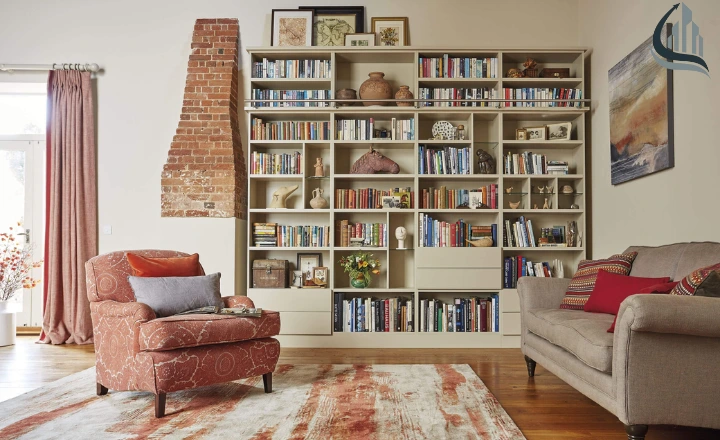
Open floor plans in modern Japanese homes
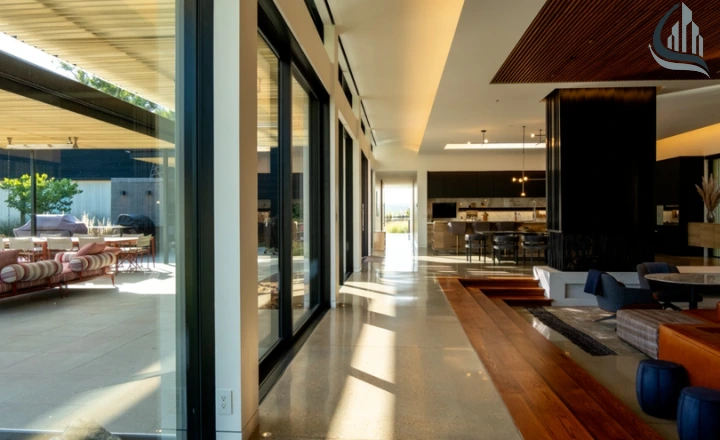
Open floor plans in modern Japanese homes prioritise usability and flow without wasting space. Seamless flooring connects the kitchen and living area, giving the illusion of openness while keeping movement effortless. This layout helps families stay connected, whether preparing meals or relaxing together.
Clever zoning solutions, such as built-in storage walls or movable screens, define areas without breaking the visual continuity. These flexible dividers allow the space to expand for gatherings or contract for privacy, adapting to daily needs. In compact city apartments, such smart layouts maximize every metre, offering a balance of efficiency and minimalist style.
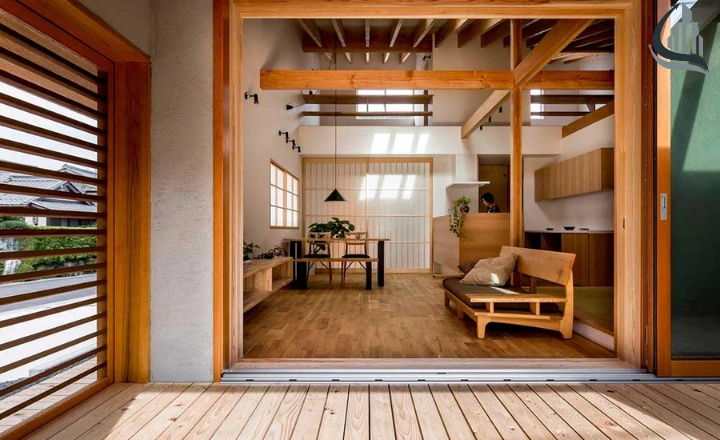
Zen-Inspired Room Layouts
Zen-inspired room layouts in modern Japanese homes focus on clarity, balance, and purpose. Furniture is kept low to the ground, think floor cushions, short tables, and minimalist benches, creating a relaxed, open feel. This approach not only saves space but also makes the room appear larger and easier to move through.
Instead of filling every corner, spaces are left open and organized. Each item is placed with the intention of maintaining visual balance and order. Symmetrical arrangements and uncluttered areas help create calm without needing heavy décor. The goal is simple: design a space that feels peaceful, functional, and naturally balanced.
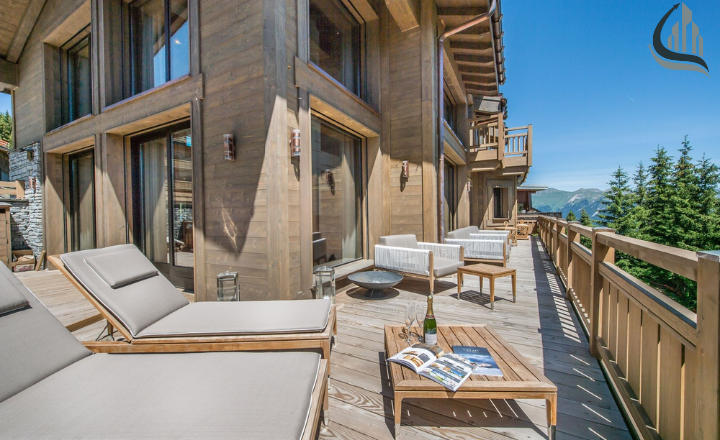
The Heart of the Home – Japanese Style Kitchens
Bamboo cabinetry offers long-lasting performance and resists humidity, while stone countertops like granite or marble provide a solid, easy-to-clean surface. Keep hardware minimal with integrated handles to maintain a clean profile. Neutral tones paired with matte finishes prevent glare and create a cohesive, modern look.
Smart design choices make the space practical. A kitchen island that doubles as a dining or prep area maximizes utility, and sliding partitions can help separate zones without closing off light or air. Add small traditional touches, such as wooden shelving or a framed shoji panel.
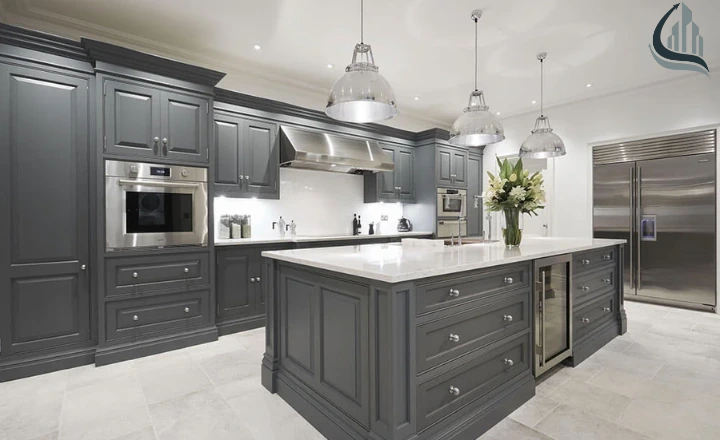
Color palettes for Modern Japanese interiors
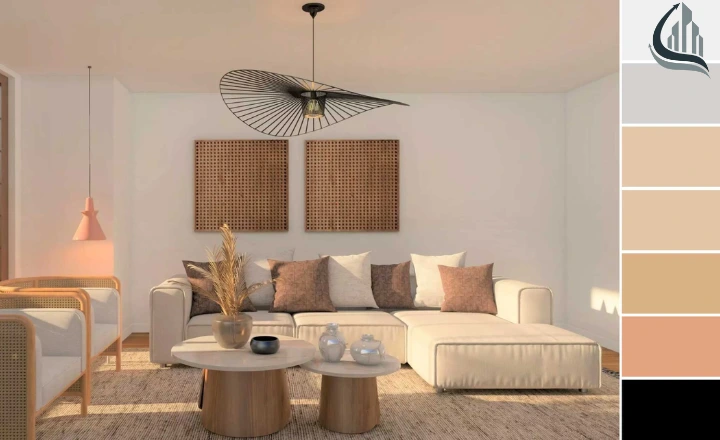
In modern Japanese interiors, color plays a quiet but powerful role in shaping mood and balance. Soft tones like beige, taupe, gray, and off-white form the foundation, giving rooms a clean and restful look. To avoid monotony, subtle shades of green, brown, or terracotta are added to create warmth and depth without breaking the calm.
Accent colors are used sparingly, and with purpose; a deep indigo cushion, a black frame, or a red vase can shift the energy of a room while keeping it grounded. Mixing these hues with wood textures, stone finishes, or linen fabrics helps achieve a natural, cohesive flow.
Technology Integration in Japanese-Inspired Homes
Technology in Japanese-inspired homes enhances comfort and efficiency while maintaining a minimalist look. Smart lighting adjusts throughout the day, blending naturally with wood textures and neutral tones. Hidden appliances and sleek induction cooktops keep kitchens organized and clutter-free. Energy-efficient heating and cooling systems ensure comfort without breaking the flow of open layouts.
Voice-controlled devices make daily living effortless, allowing easy control over lights, temperature, and shades. When integrated thoughtfully, these technologies elevate modern living without disrupting the calm, balanced.
Maintaining a modern Japanese home
Maintaining this type of home is all about daily mindfulness and simplicity. Start each morning with a quick tidy-up, clear surfaces, return items to their places, and let calm order set the tone. These habits preserve the minimalist look and bring balance to your space.
Keep cleaning routines simple and eco-friendly by using natural products. Embrace wabi-sabi, finding beauty in imperfection rather than chasing perfection. Regularly assess your decor and keep only what serves a purpose. With this mindful approach, your home will stay peaceful and effortlessly elegant.
Conclusion:
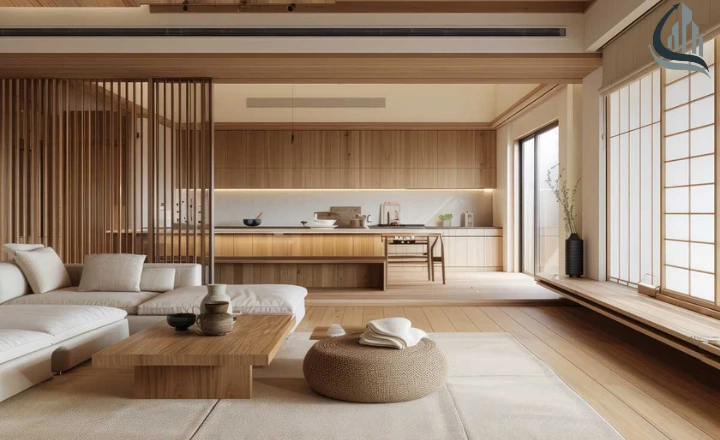
Designing a modern Japanese-style home is about creating harmony between tradition and innovation. Every element from minimalist interiors and neutral color palettes to smart technology and sustainable materials contributes to a calm, balanced lifestyle. This approach to Japanese interior design emphasizes mindfulness, clean aesthetics, and a deep connection with nature.
FAQs
What are modern Japanese style houses called?
They’re often referred to as “modern washitsu” or “contemporary Japanese homes,” blending traditional elements like sliding doors and natural materials with minimalist, modern design.
What are Japanese houses like?
Modern Japanese houses focus on simplicity, functionality, and open spaces with lots of natural light, clean lines, and a calm, nature-inspired aesthetic.
How much does a modern house in Japan cost?
On average, a new modern home in Japan costs between ¥25 million and ¥40 million (around $165,000–$265,000 USD), depending on location and size.
Is it true you can buy a house in Japan for $500?
Yes, but those are typically abandoned rural homes called akiya. They often need major renovations and aren’t move-in ready.
Is ¥300,000 a good salary in Japan?
Yes, it’s a decent monthly income for a single person, especially outside major cities like Tokyo, though lifestyle and housing costs can affect comfort levels.
Can I live on $2000 a month in Japan?
Yes, you can live comfortably on $2,000 a month in many parts of Japan if you budget wisely, though Tokyo and Osaka can be more expensive.