
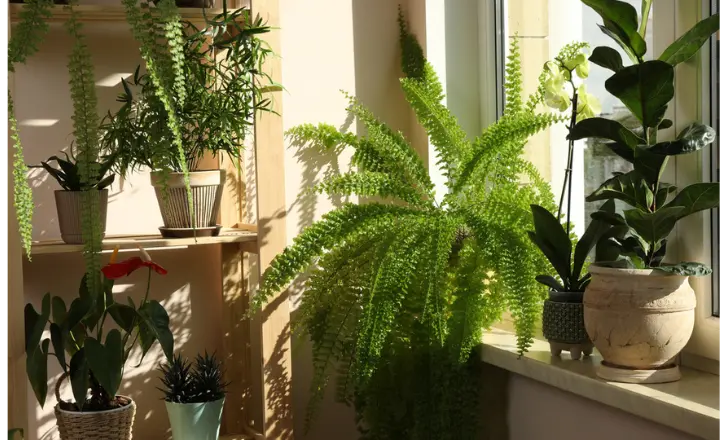
Indoor plants for spring can boost your mood and productivity by up to 15%. As spring breathes new life into our surroundings, it’s the perfect time to invite some greenery into your home. It is the perfect time to bring that same feeling indoors.
If you love the rich leaves of a fiddle leaf fig tree or the small charm of a succulent, every plant adds a peaceful touch to your home. If you are new to indoor gardening, start with low-maintenance plants that are easy to care for. The Sill offers many beautiful options for beginners, including low-light indoor plants like ZZ plants and philodendrons. You can also add pothos plants, which trail beautifully and stay green all year round.
After the long winter, indoor plants for the home help cleanse the air and lift your mood. Their green leaves and soft blooms bring a gentle touch of nature to every corner. Whether you live in a small apartment or a spacious house, a few well-chosen indoor plants can make your home feel calm, cheerful, and connected to the season.
Let’s start this journey with us; we have a list of 20 indoor plants for the living room or home with their caring tips and ideas.
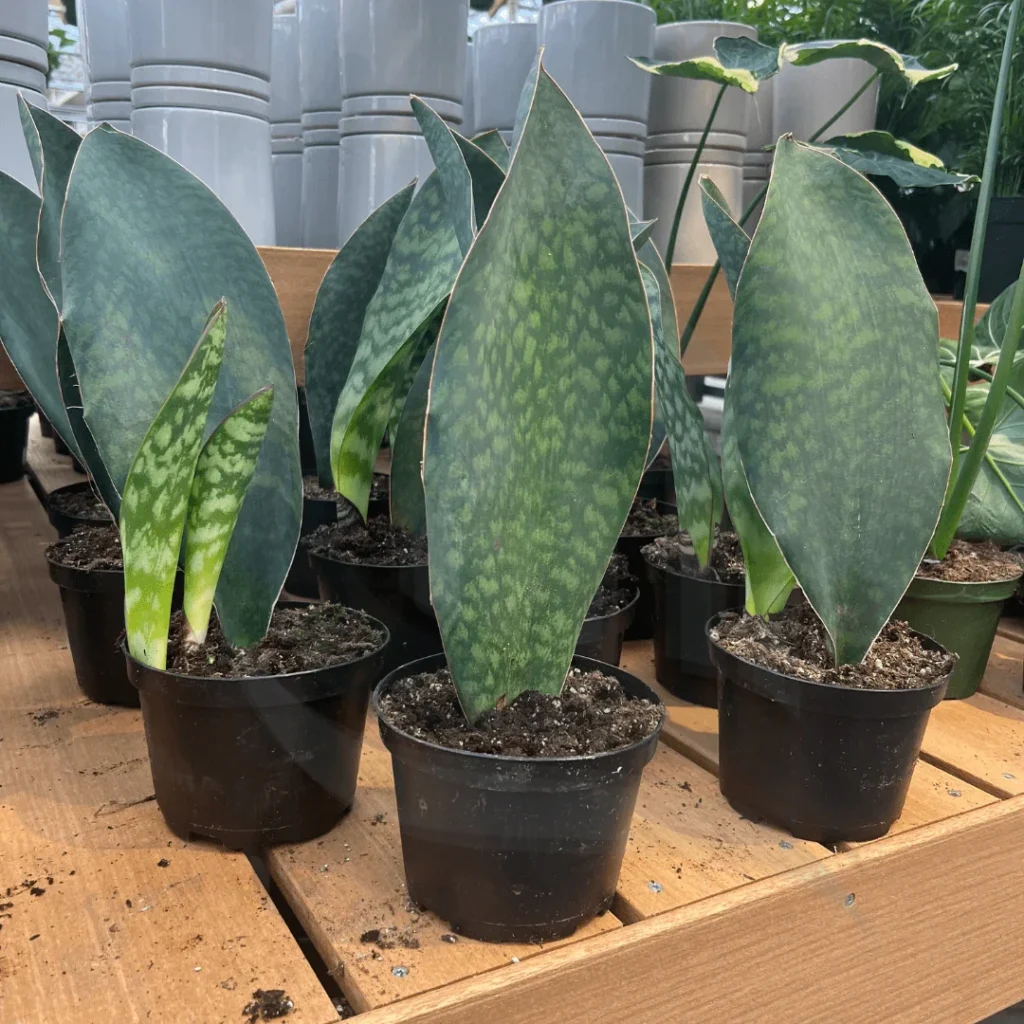
Whale Fin Sansevieria
The Whale Fin Sansevieria, also known as the “whale fin snake plant”, brings a unique twist to indoor gardening. Its large, upright leaves resemble the fin of a whale. This hardy plant thrives on neglect, making it perfect for busy individuals or those new to plant care. It requires minimal watering and can adapt to a range of lighting conditions. Beyond its striking appearance, the Whale Fin Sansevieria is also a champion of clean air. Like other snake plants, it filters toxins and releases oxygen, improving the indoor atmosphere.
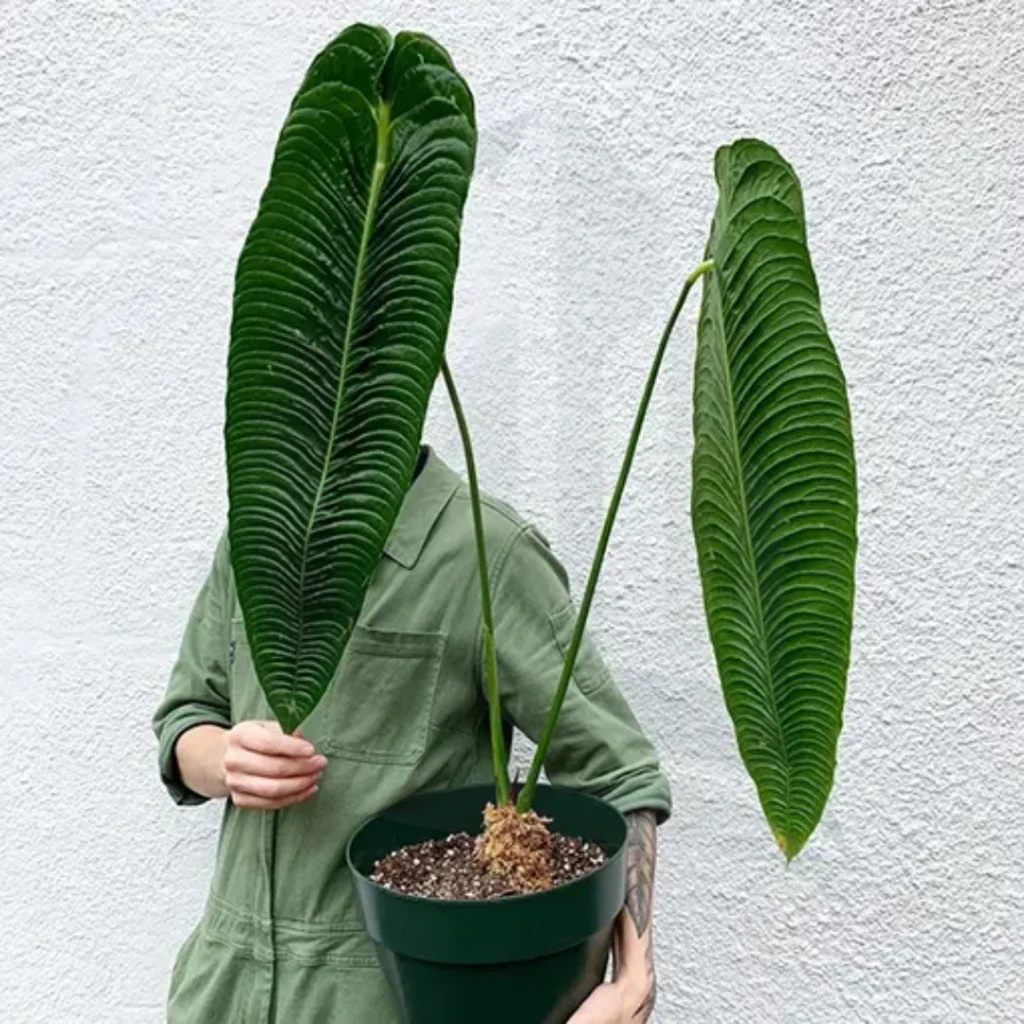
Anthurium Veitchii
It is a stunning houseplant that truly stands out with its lush, elongated leaves resembling the shape of a heart. Known as the “king of the Anthuriums”, this plant is not just beautiful; it’s also a conversation starter. Caring for an Anthurium Veitchii can be a rewarding experience if you understand its needs. Regular misting can help maintain moisture levels, keeping its leaves luscious and vibrant. Even though this plant may seem demanding, its stunning presence is worth the effort.
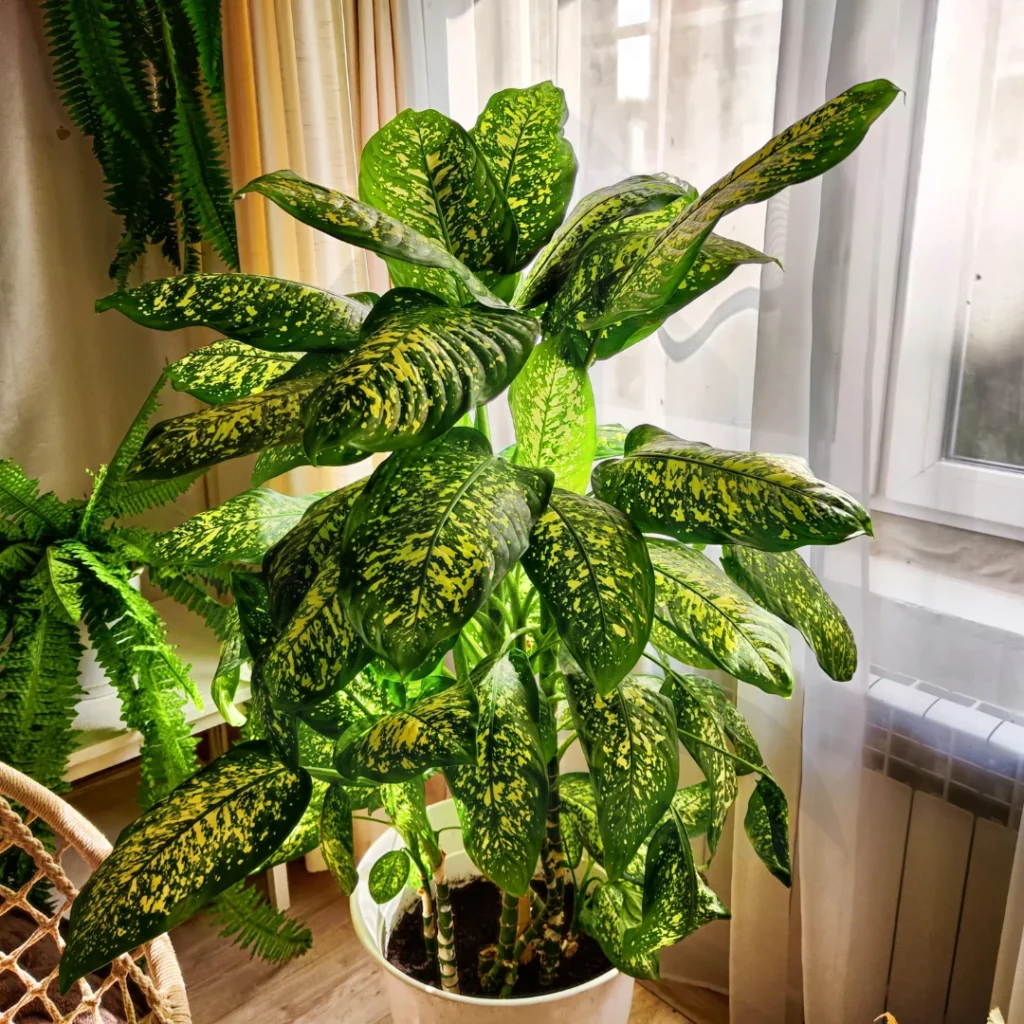
Dieffenbachia
Dieffenbachia, also known as dumb cane, is a striking houseplant that can elevate any indoor space with its lush, green leaves adorned with creamy white patterns. The name “dumb cane” stems from the plant’s toxic sap, which can cause temporary speech loss if ingested. This interesting trait serves as a reminder to keep it out of reach of pets and small children. Caring for Dieffenbachia is relatively straightforward. It can grow in bright, indirect sunlight but can adapt to lower light conditions, although its growth may slow down. Water it when the top inch of the soil feels dry.
You can also read about guidance on indoor plants.
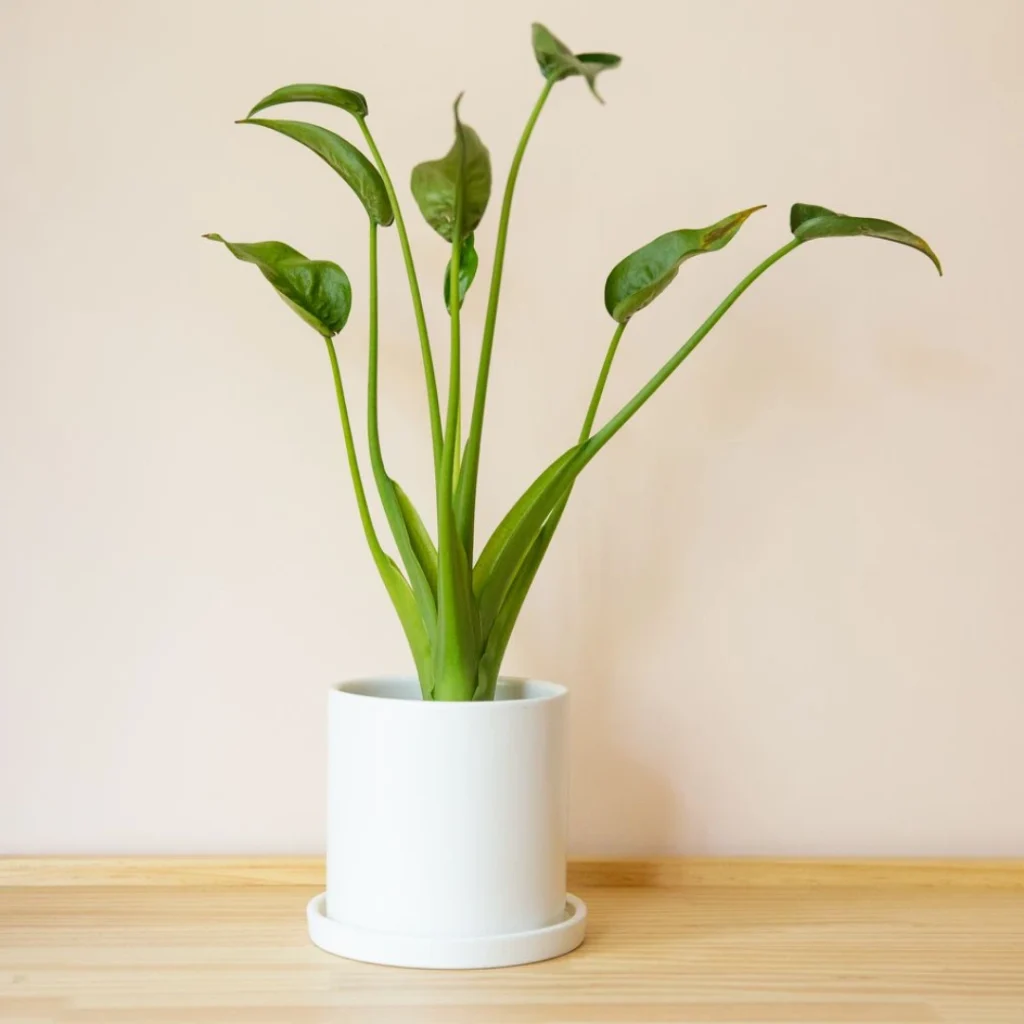
Alocasia Tiny Dancer
The Alocasia Tiny Dancer is a true gem for plant lovers, known for its lush, arrow-shaped leaves that look like they’re swaying in a gentle breeze. This unique houseplant flourishes in bright, indirect light, making it perfect for any corner of your home that needs a touch of elegance. Caring for the Tiny Dancer is relatively simple, yet it thrives on attention. Its striking foliage not only enhances your indoor aesthetics but also improves air quality.
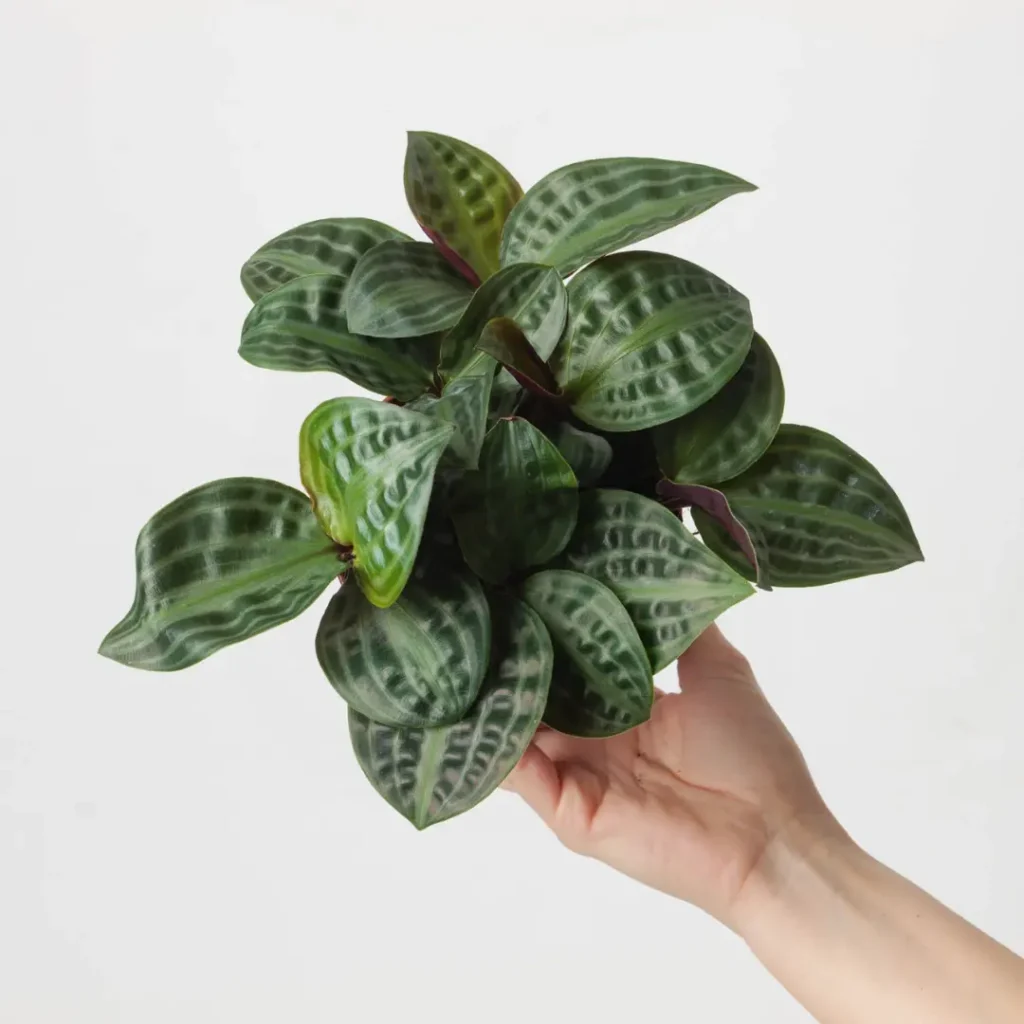
Geogenanthus
Its striking appearance and easy care, with lush, broad leaves that boast a rich green colour, it adds a touch of the exotic to any indoor space. Its ability to adapt to varying light conditions means you can enjoy it even in less-than-ideal spots. While many houseplants focus on blooms, this one captivates through its leaves alone. It’s also an excellent air purifier. If you’re looking for a low-maintenance plant that brings a burst of life and colour into your environment.
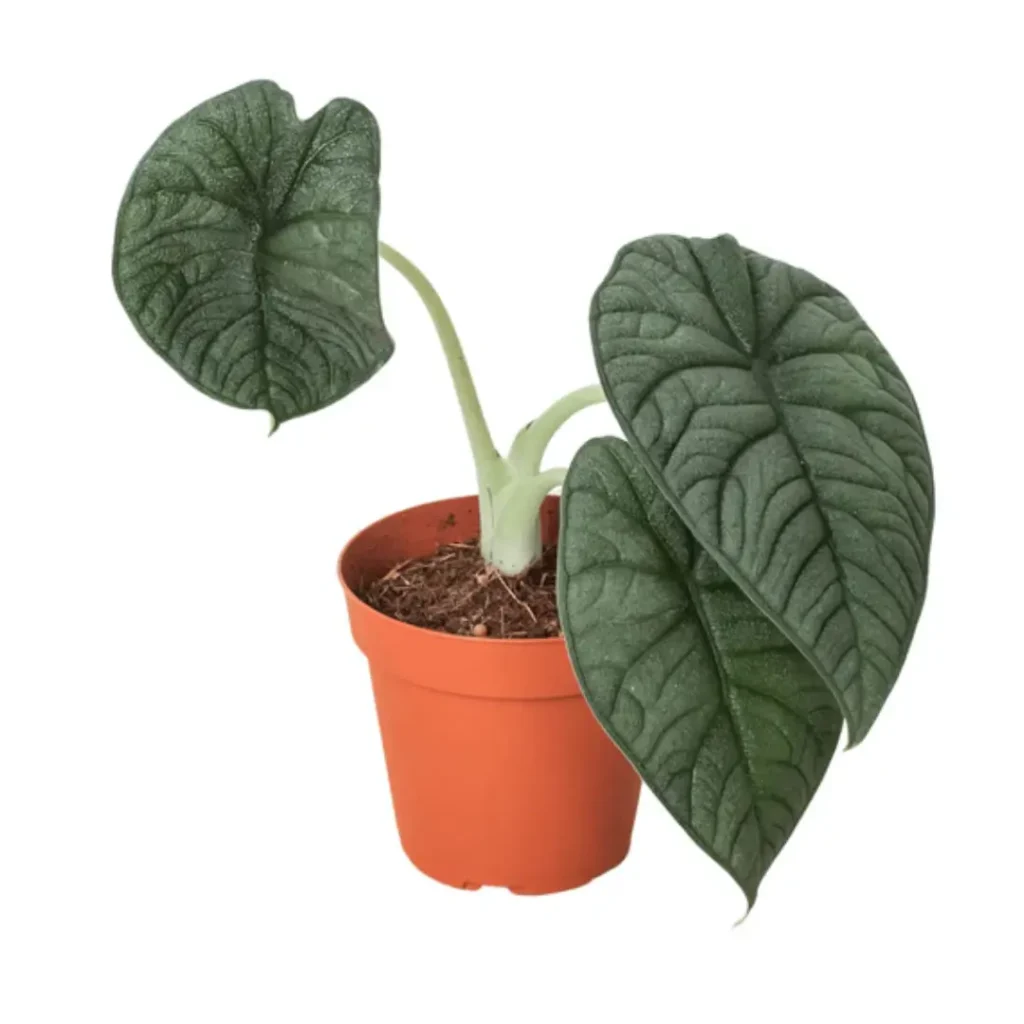
Alocasia Melo
These leaves come in deep green, beautifully highlighted by prominent veins. Besides its aesthetic appeal, the Alocasia Melo is also renowned for its air-purifying qualities. It thrives best in bright, indirect sunlight. Keeping the soil slightly moist is key, as Alocasia plants love humidity. With the right care, your Alocasia Melo can grow into a striking statement piece, providing joy and freshness in your living space.
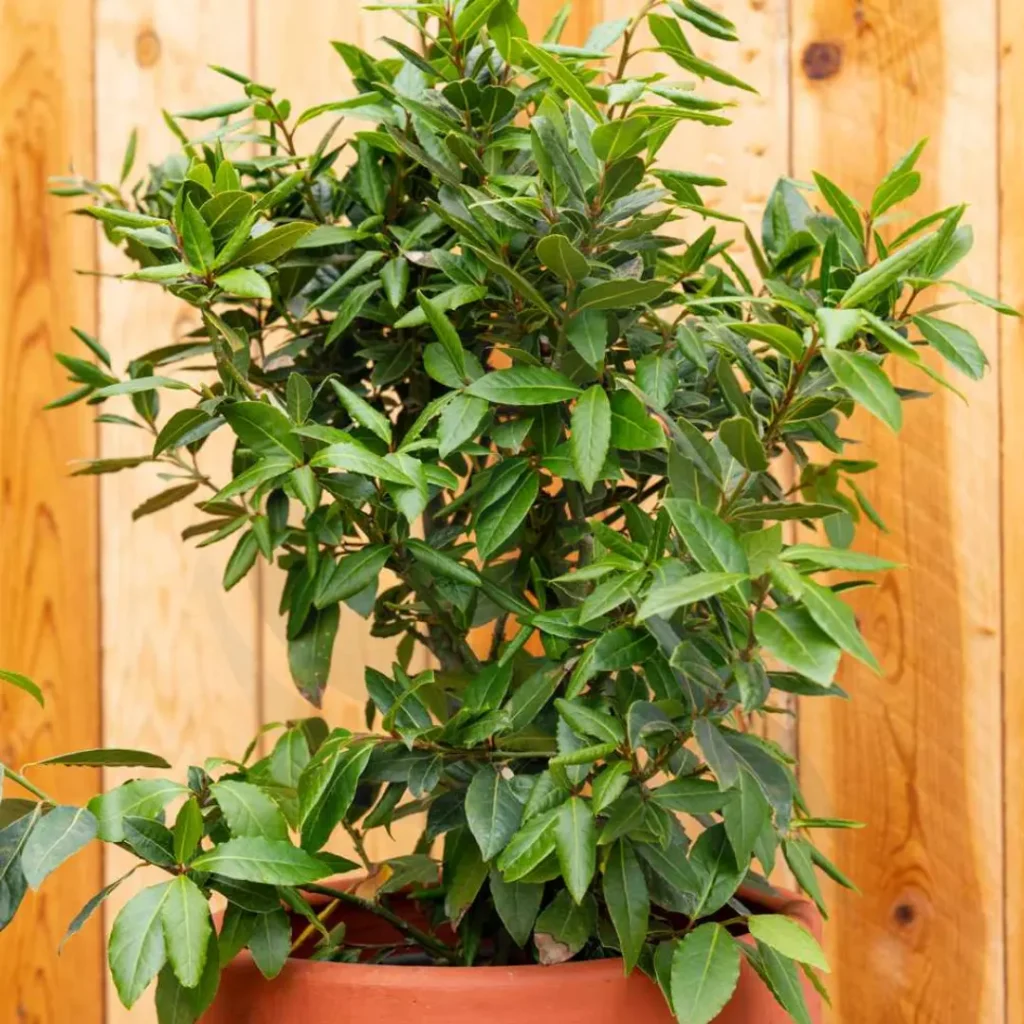
Bay Laurel Tree
The Bay Laurel tree, known for its glossy leaves and aromatic qualities, is more than just a culinary herb. symbolized victory and was used to crown champions. Its leaves not only add flavour to dishes but also impart a sense of nostalgia, reminding us of home-cooked meals and family gatherings. Cultivating a bay laurel tree in your garden is surprisingly rewarding. It is also believed to have medicinal properties, offering digestive benefits and antioxidant effects.
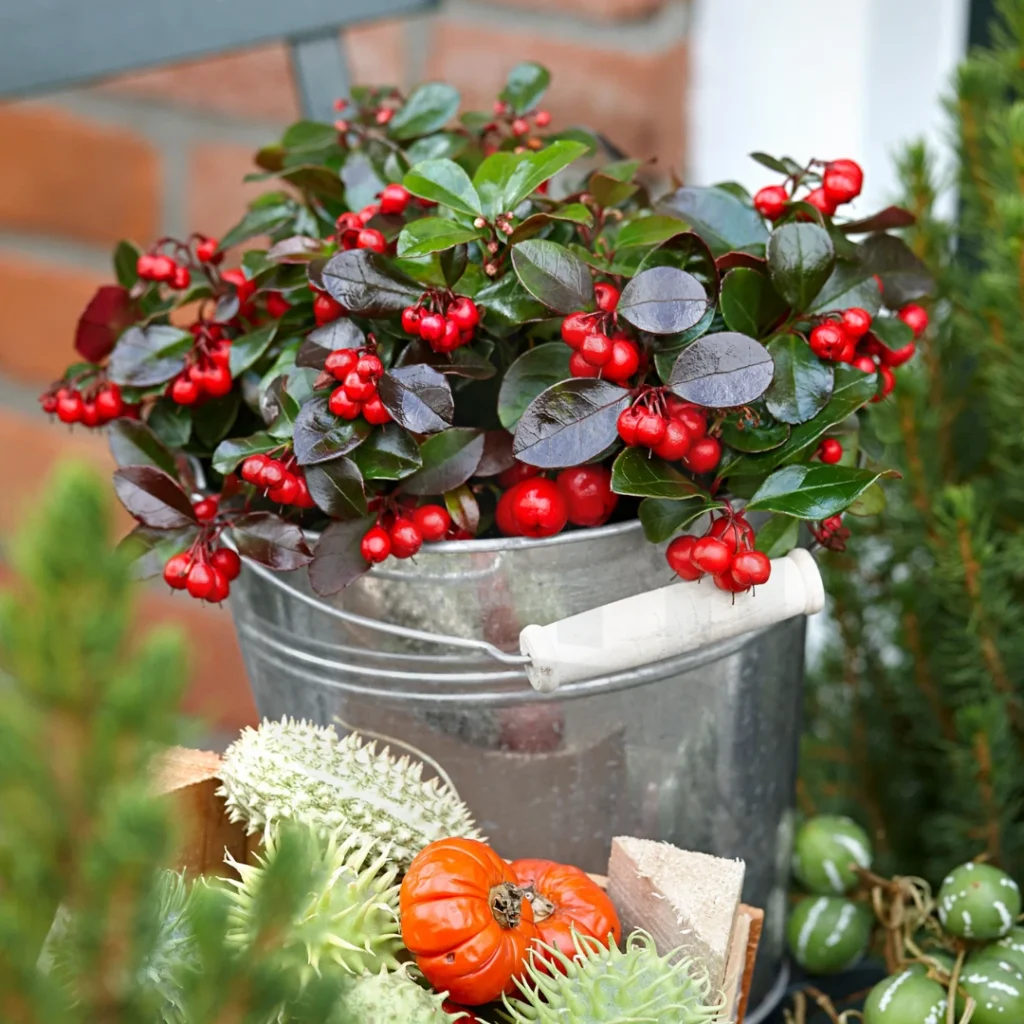
Wintergreen Berries
These small, red fruits grow on the evergreen plant. What makes them truly special is their refreshing, minty flavour. They often use the berries to enhance dishes or make homemade jams. It also has health benefits; it is packed with antioxidants. As herbal remedies gain popularity, they are used in traditional medicine and its role in soothing ailments like headaches and digestive issues. Their low-growing nature makes them perfect for ground cover. They attract beneficial pollinators.
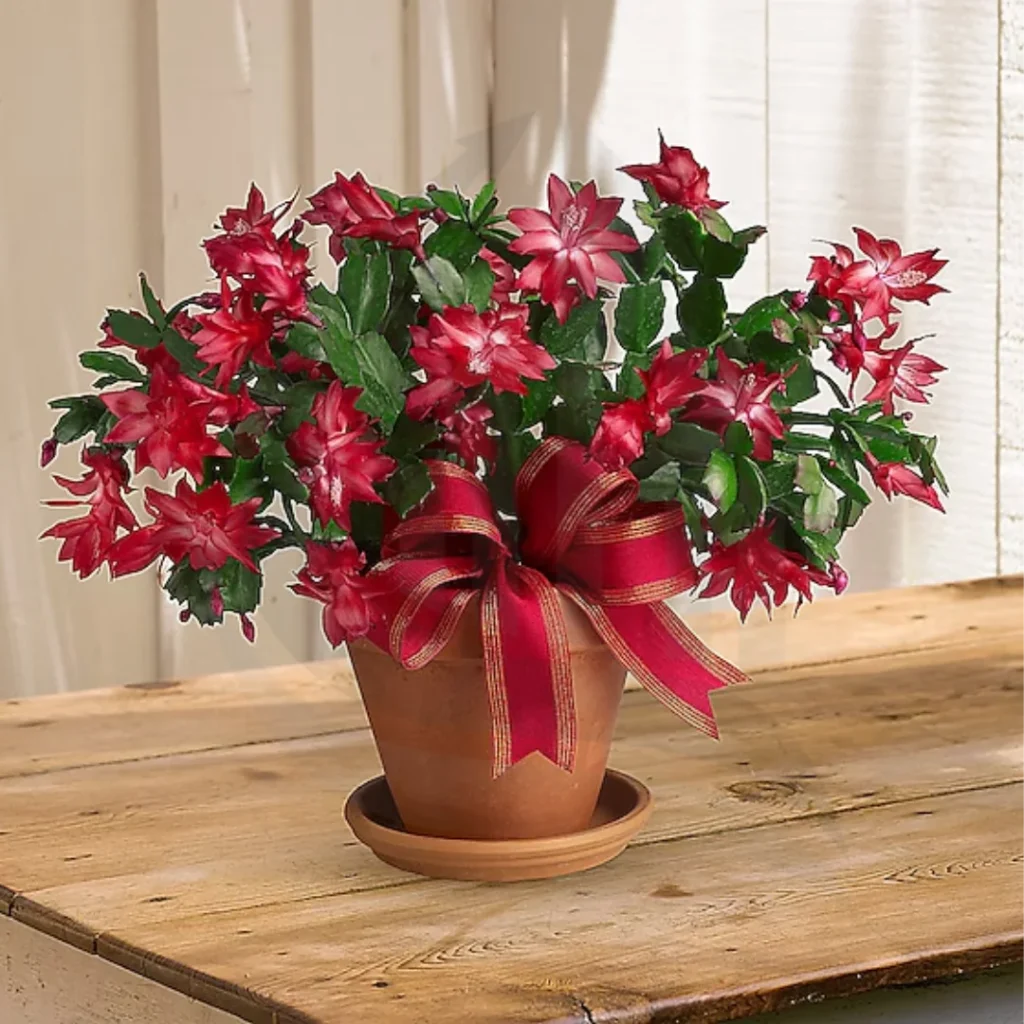
Christmas Cactus
It blooms in late December. Unlike typical cacti, this charming plant thrives in a more humid atmosphere. Its flattened, leaf-like segments provide a lush backdrop for the stunning fuchsia, red, or white flowers that can be used in time for Christmas. Its care is easy, and it enjoys bright, indirect light. As it celebrates the holidays with its bursts of colour, consider making it part of a family tradition.
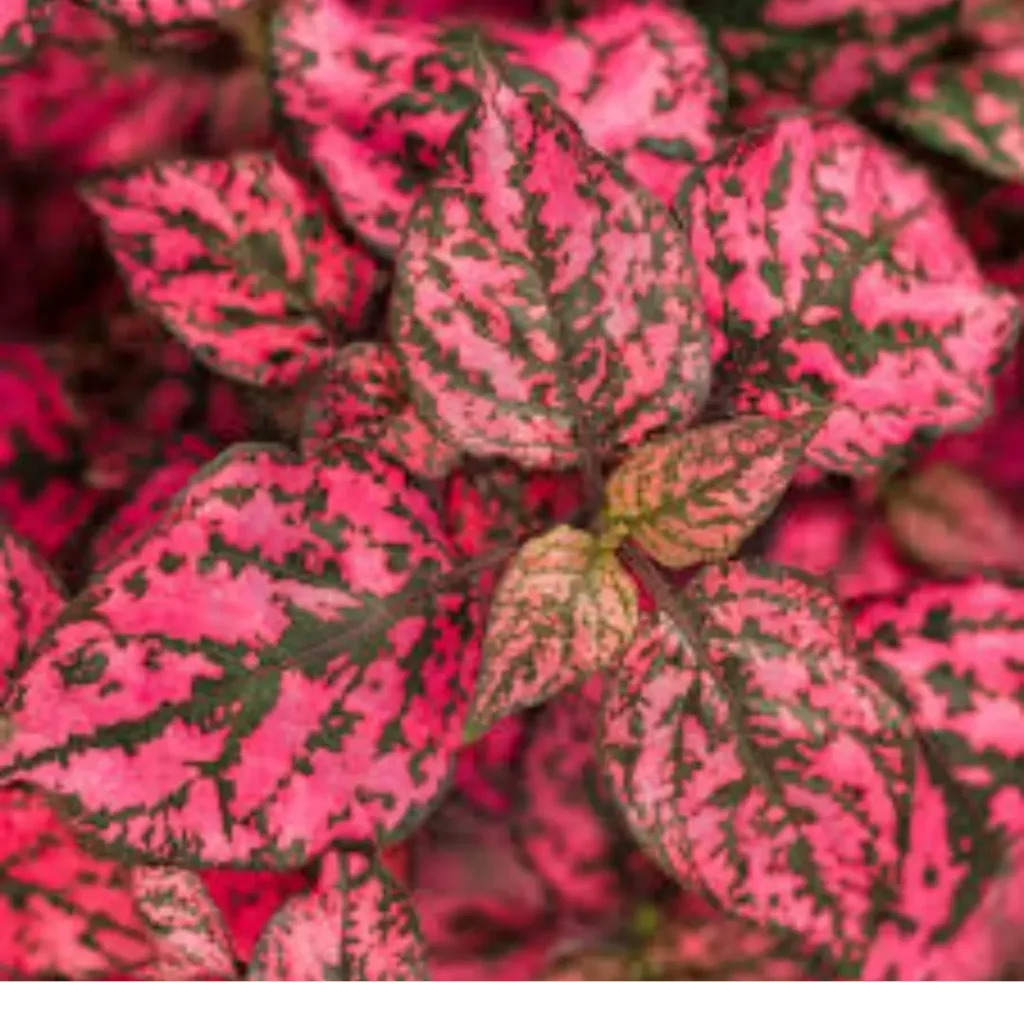
Pink Polka Dot Plant
The Pink Polka Dot Plant, also known as Hypoestes phyllostachya, is a delightful addition to any indoor garden. What makes it truly special is its ability to thrive in lower light conditions, making it perfect for spaces that don’t get a lot of natural sunlight. Caring for a pink polka dot plant is easy. It enjoys humidity. Water it when the top inch of soil feels dry, but be careful not to overwater, as soggy soil can lead to root rot.
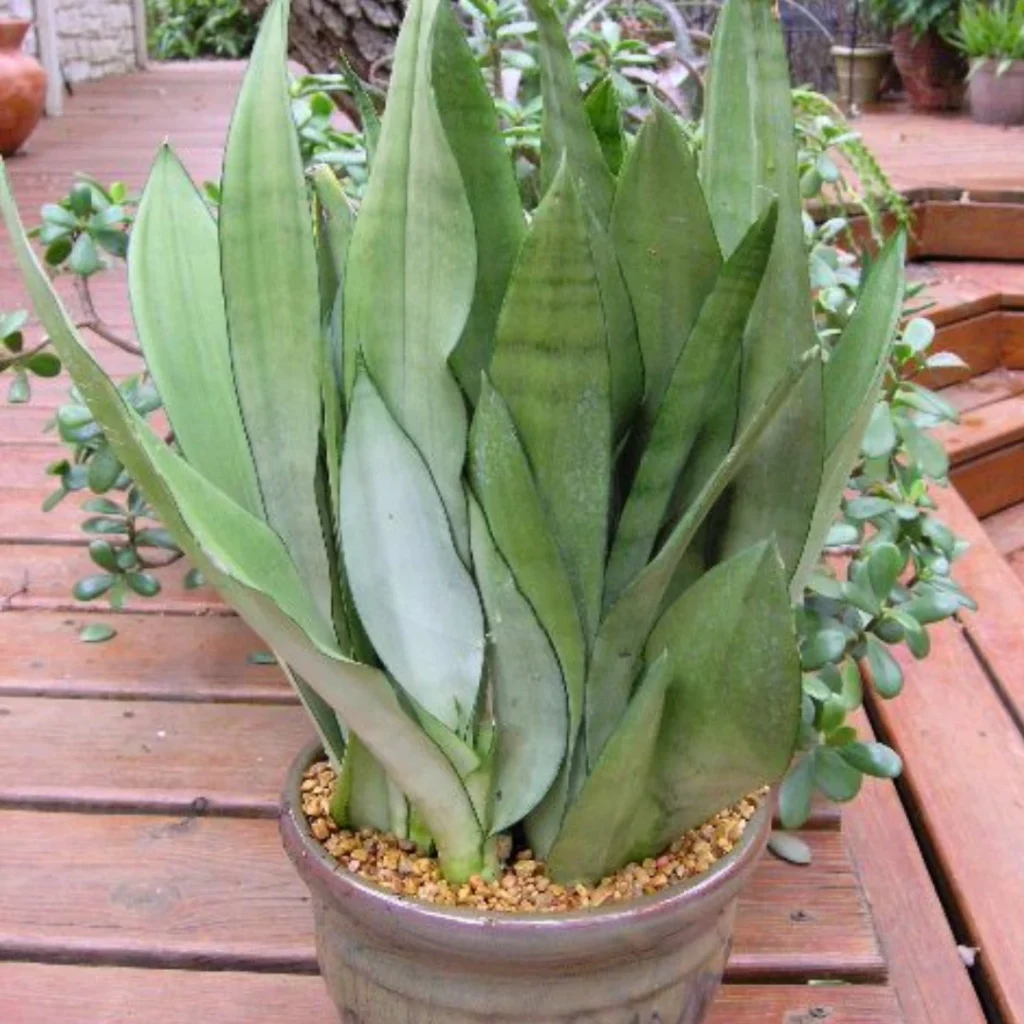
Moonshine Snake Plant
It has striking silver-green leaves. Unlike traditional snake plants that feature bold green stripes and best indoor plant for spring. This unique colouration not only adds a refreshing pop to any indoor space but also complements various decor styles. Caring for the Moonshine Snake Plant is a breeze, making it perfect for beginners. It can flourish in low light and requires minimal watering.Let its serene presence transform your favourite room. With its vibrant leaves and low-maintenance needs, this plant will quickly become a cherished part of your indoor oasis.
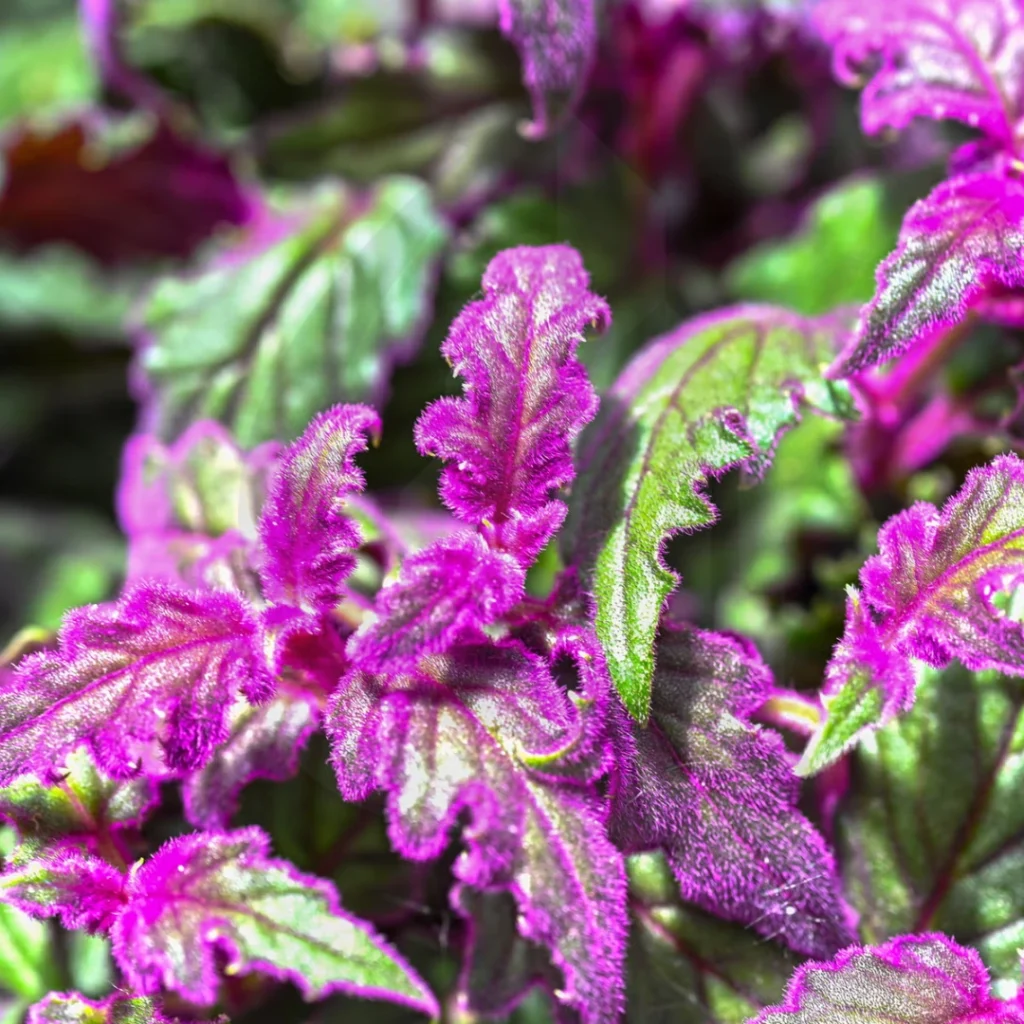
Purple Passion Plant
The Purple Passion Plant, known scientifically as Gynura aurantiaca, is more than just a pretty face. What sets this plant apart is its unique velvety texture and striking purple hue, which can brighten up spaces while also sparking conversation. It prefers to be kept slightly moist, so regular watering is key, but be sure to avoid soggy soil. This plant loves humidity. As it grows, tiny yellow flowers pop up, adding a cheerful touch. Regular pruning encourages bushier growth.
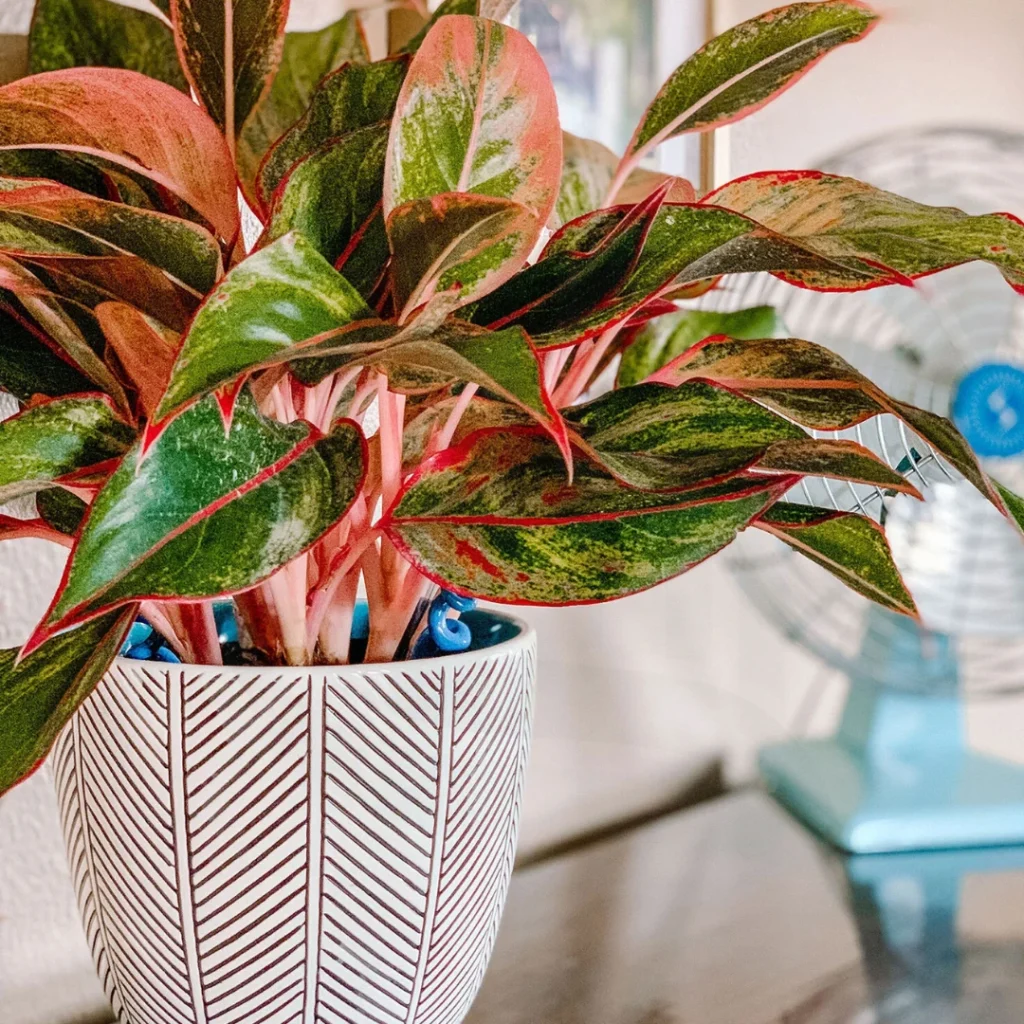
Red Chinese Evergreen
The Red Chinese Evergreen, also known as Aglaonema, has glossy leaves splashed in shades of green and deep red. This plant thrives in low-light conditions. Its ability to flourish in varied environments. Along with its striking appearance, the Red Chinese Evergreen is known for its air-purifying qualities. It removes toxins from the air, creating a healthier indoor space. Adding a Red Chinese Evergreen to your home is a simple way to enhance your décor and promote a cleaner atmosphere.
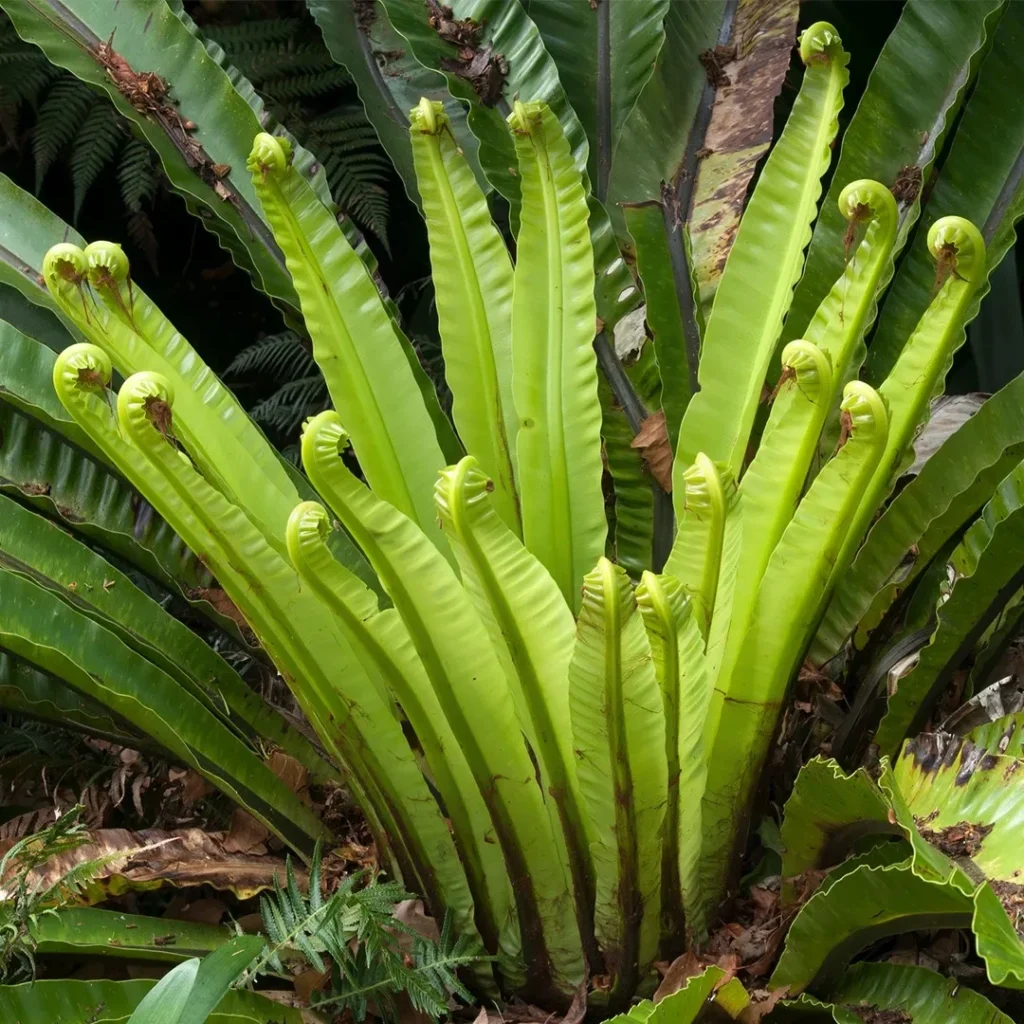
Bird’s Nest Fern
With its lush, wavy fronds that curl inward like a nest, it brings a tropical touch to any indoor space. This fern thrives in indirect light and humidity, so placing it in a bathroom or kitchen can help it flourish — while also adding a pop of green to your decor. It efficiently removes toxins, creating a healthier atmosphere in your home. Plus, it’s pet-friendly. Keep the soil consistently moist but not soggy.
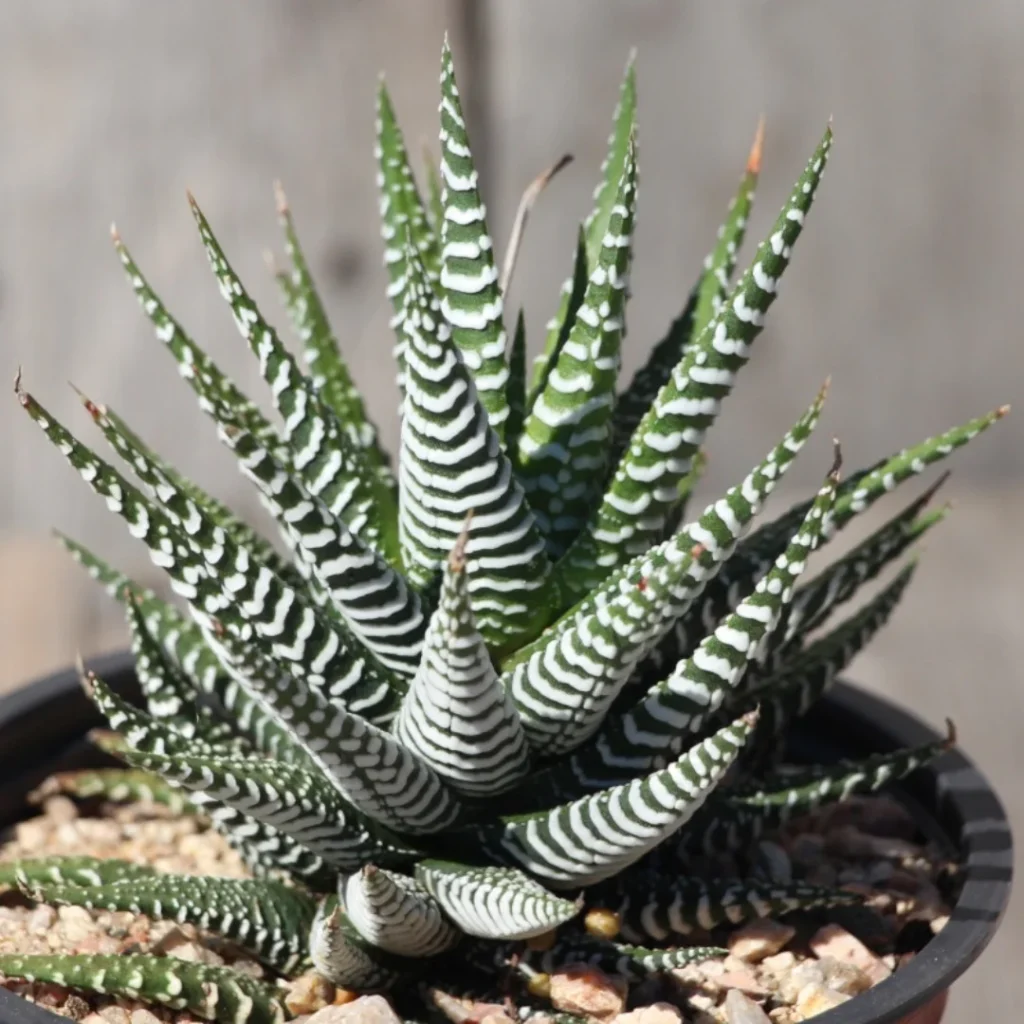
Zebra Plant
The Zebra Plant, or Gasteraloe as it’s scientifically known. With its striking green and white striped leaves, it resembles a zebra in its natural habitat. It’s not just beautiful; it’s also low-maintenance, requiring minimal watering. Originating from the arid regions of South Africa, it’s built to adapt to changing environments. Plus, during the right conditions, it can produce charming flowers that add a pop of color to your décor. By adding this unique plant into your space, you can invite a touch of nature indoors.
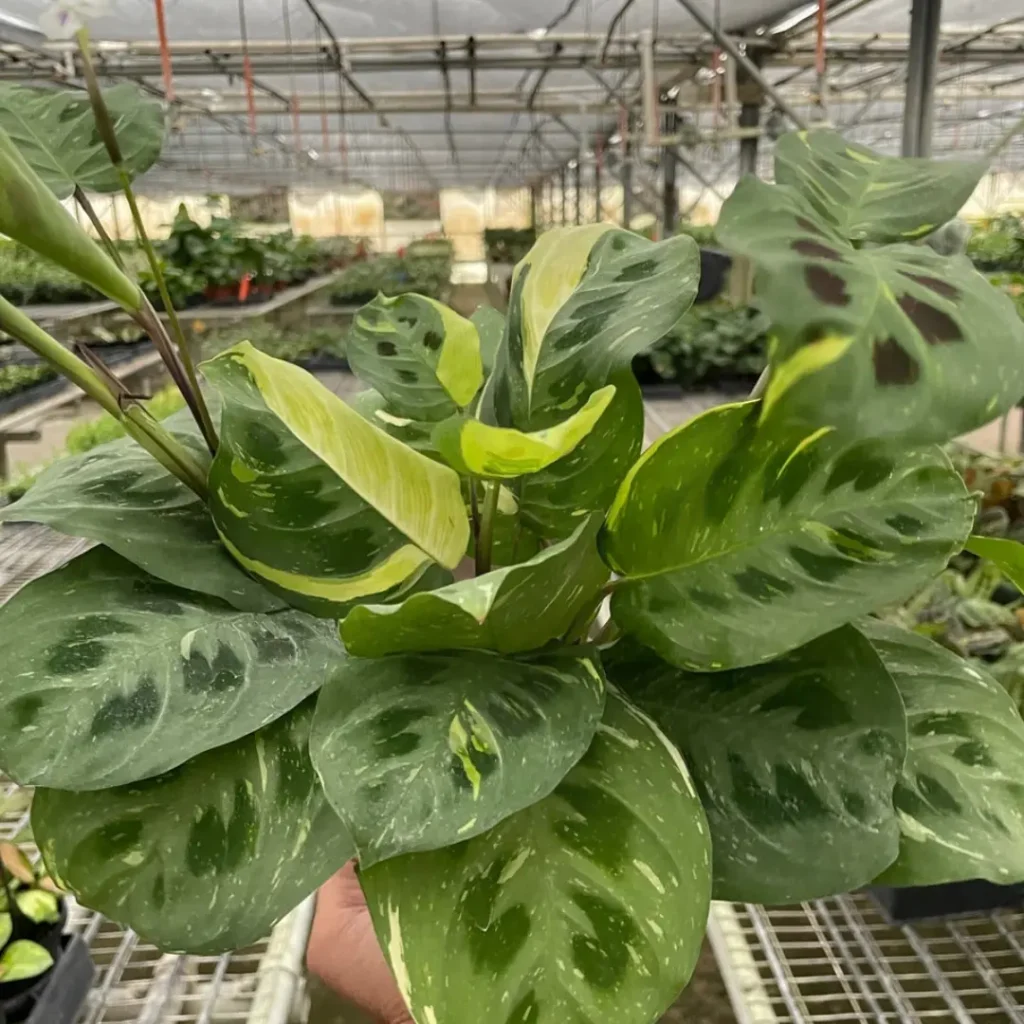
Prayer Plant Beauty Kim
According to the founder, what sets this plant apart, however, is its unique ability to fold its leaves at night, looking like hands in prayer. This daily ritual not only makes it fascinating to observe, but it also adds a touch of magic to your indoor space. Its care is easy. Regular misting can help keep its leaves healthy. It responds to environmental changes and offers a rewarding connection between you and your plant.
Read more about How to Create the Perfect Balcony Garden.
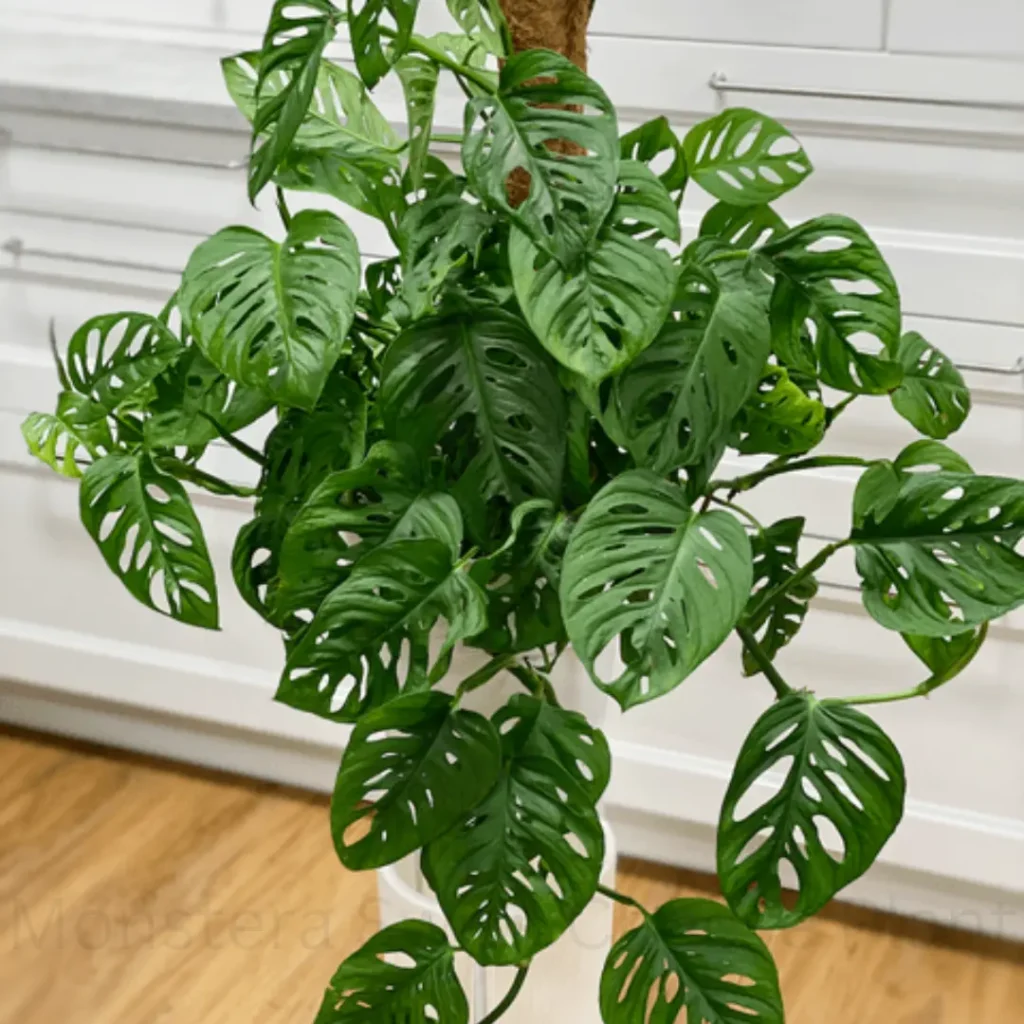
Monstera Swiss Cheese Plant
It is known for its unique leaf holes and splits. These plants can grow in their native rainforests by allowing sunlight to filter through and air to circulate. Caring for a Monstera is surprisingly easy, making it a favorite among plant newbies. They grow faster than you might expect, with big, lush leaves unfolding weekly, offering that satisfying sense of progress.
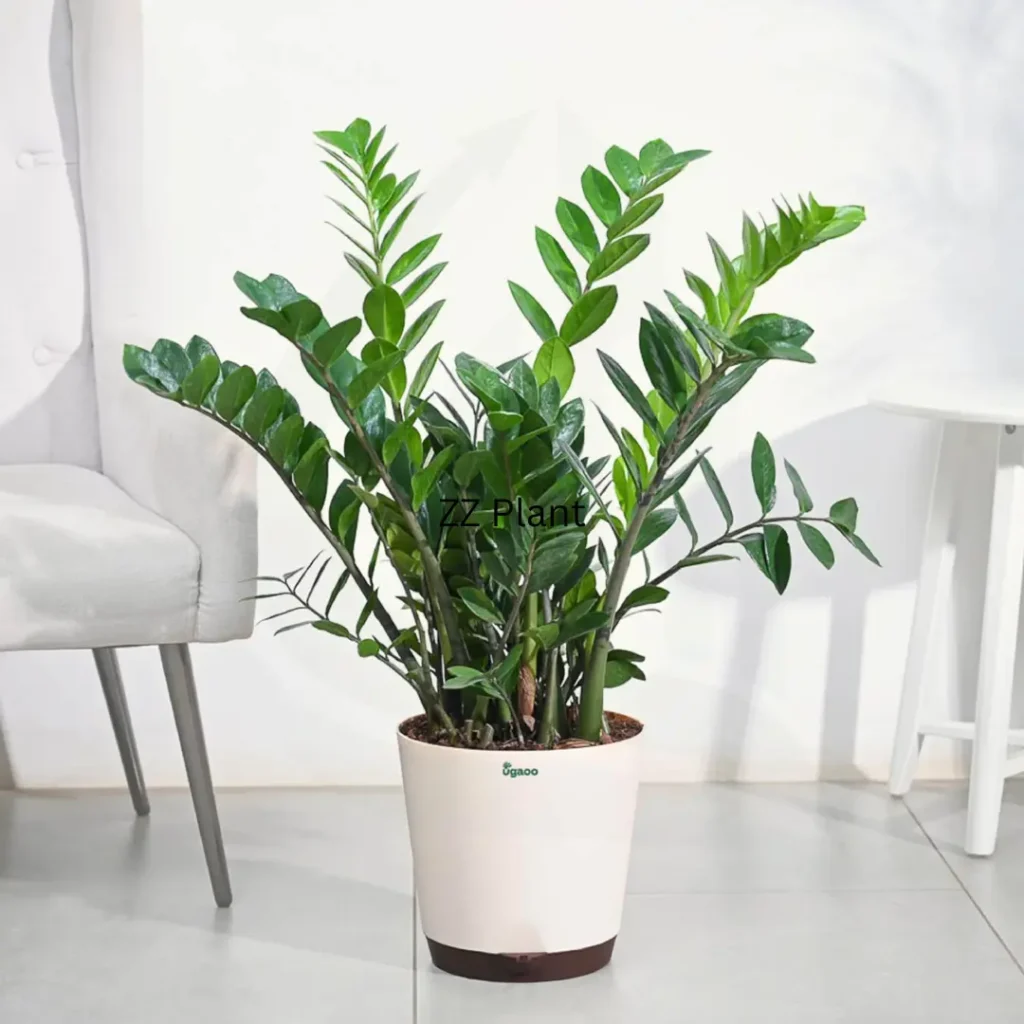
ZZ Plant
The ZZ plant, with its glossy, deep green leaves, is more than just a pretty face. Known scientifically as Zamioculcas zamiifolia.It is the best indoor plant for spring.It is perfect for tricky corners of your home or office. It’s an ideal choice for busy lifestyles, offering beauty without demanding too much attention.The ZZ plant can easily elevate your decor, giving any space a touch of modern elegance.
According to Better Homes & Gardens, low-light plants like ZZ plants and philodendrons are great for spring growth.”
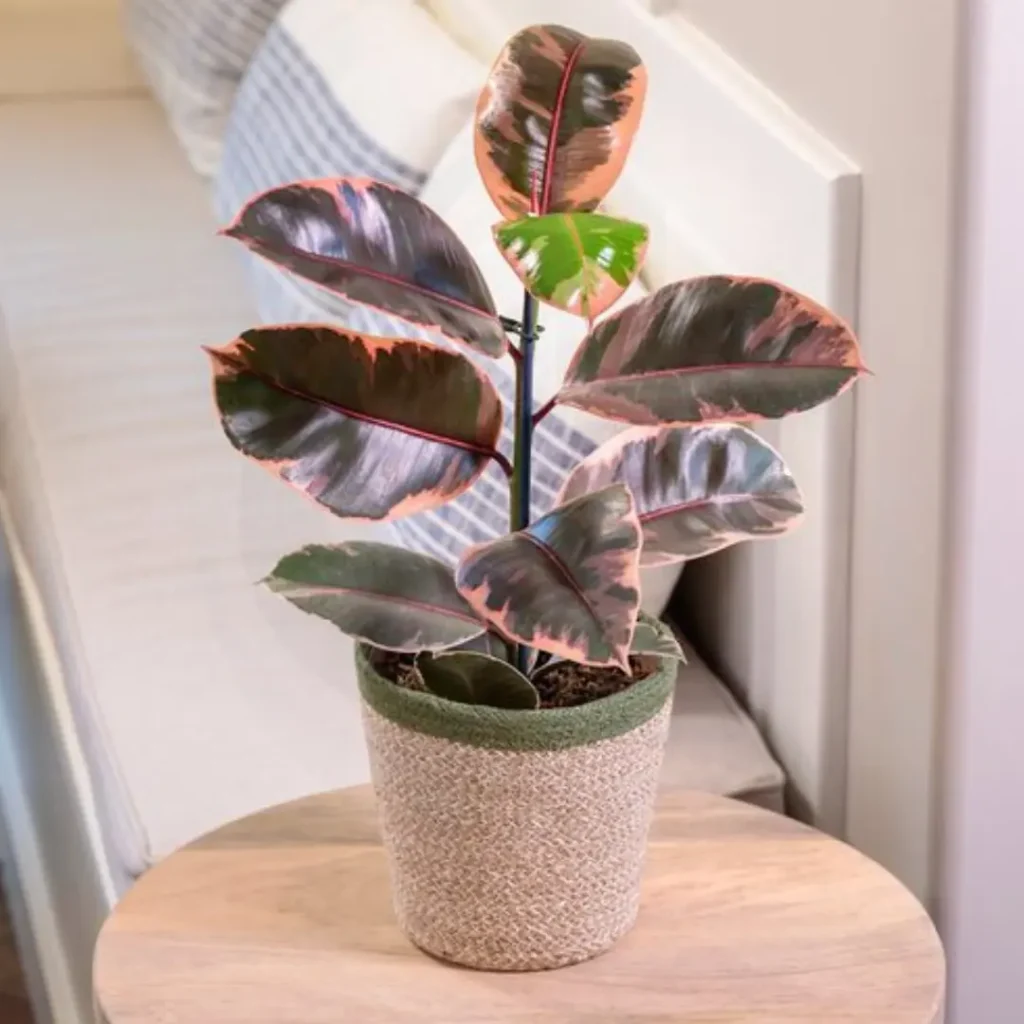
Rubber Plant
The Rubber Plant, known scientifically as Ficus elastica, brings a lush vibrancy to any space .It is perfect for both novice and seasoned plant lovers alike. Just a bit of indirect sunlight and occasional watering can keep it flourishing. the Rubber Plant serves as a natural air purifier. Studies have shown that it can remove harmful toxins from the air. Its leaves can be easily propagated.
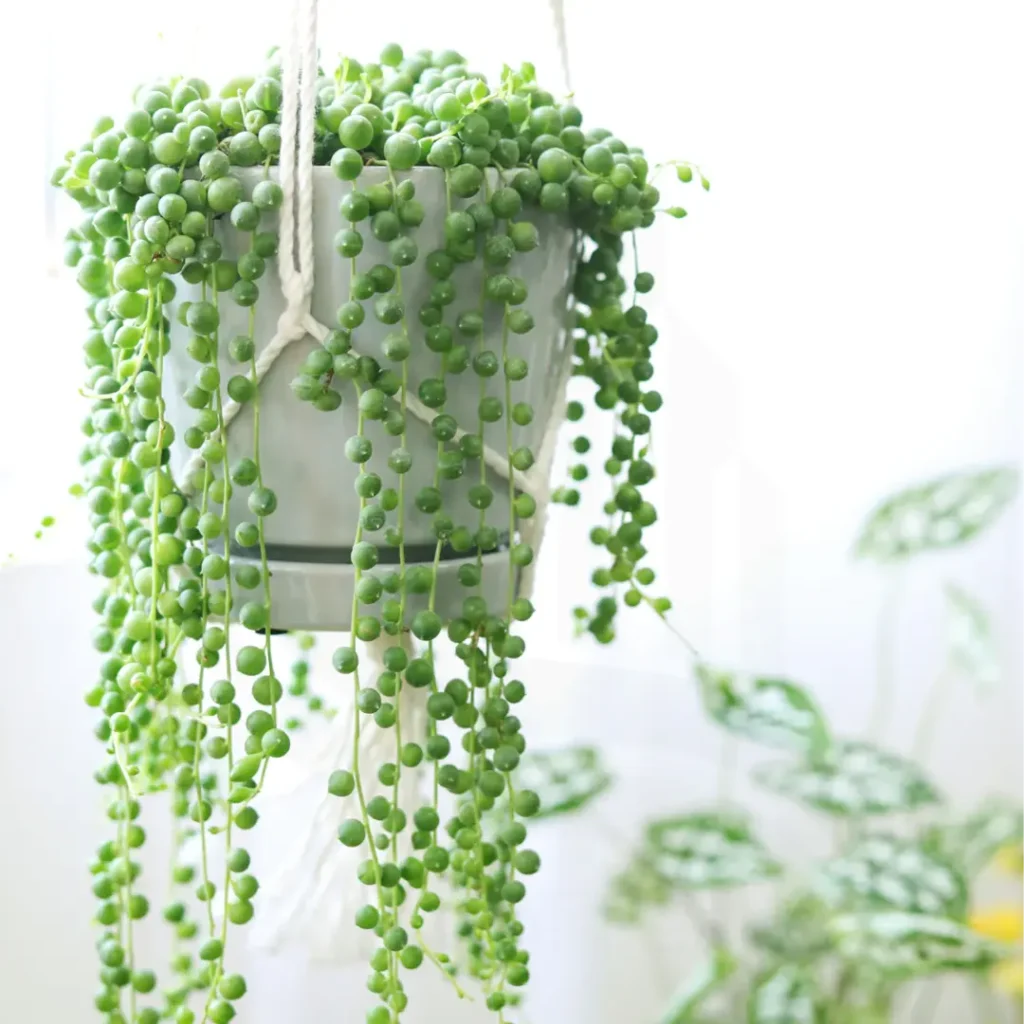
String of Pearls
Its small, round leaves resemble tiny pearls, making it a favorite among plant lovers. Hanging gracefully in a pot. It can turn any space into a serene oasis. It can thriving in dry conditions while still lending a lush vibe to your home.Easy to care. Overwatering can be a common mistake, so allowing the soil to dry out between watering is crucial.
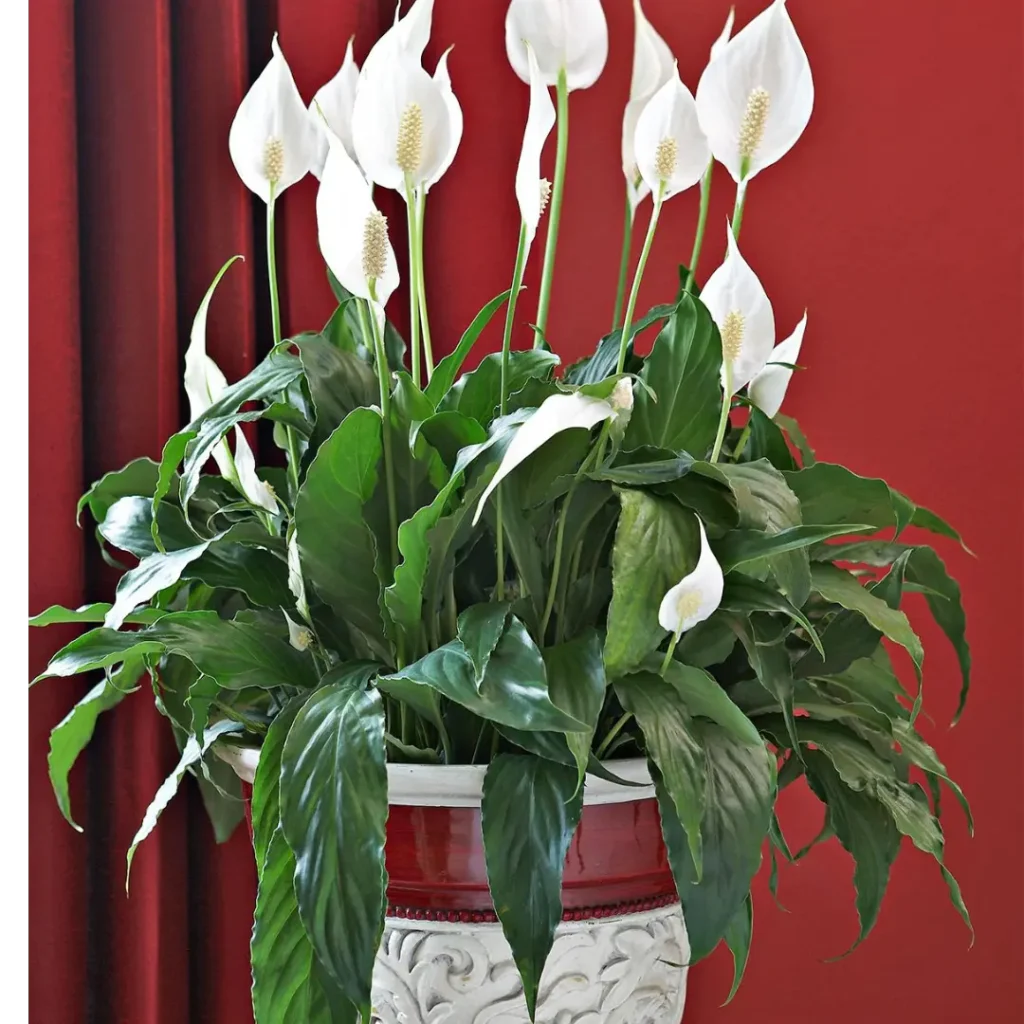
Peace Lily
The Peace Lily has lush green leaves and elegant white blooms Known scientifically as Spathiphyllum. Caring for a peace lily is straightforward, making it perfect for both beginners and seasoned plant lovers.However,It is low maintenance indoor for spring, They can stay in low light and only need watering when the topsoil feels dry. With a little attention, they can bloom several times a year.Their flexibility means they’ll bounce back if you forget about them for a while.
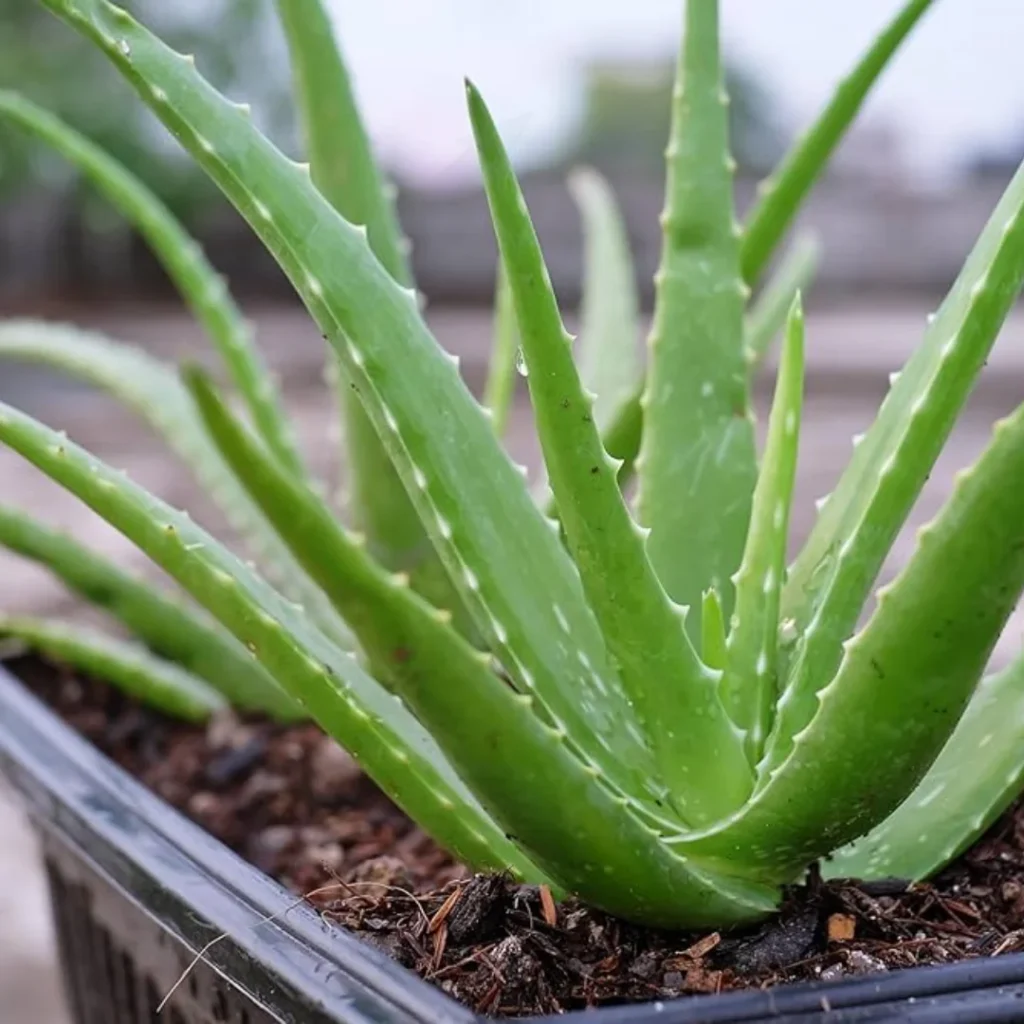
Aloe Vera
Aloe vera is more than just a pretty plant; it’s a powerhouse of benefits. It is full of vitamins and antioxidants. It can help soothe sunburns and heal cuts, acting like nature’s own band-aid.It also known for its ability to hydrate and nourish the skin, making it a go-to ingredient in countless beauty products.
Besides skincare, aloe vera can boost your healthy routine. Using aloe juice into your diet can aid digestion and provide a gentle detox. Its natural anti-inflammatory properties may even support your immune system. So whether you’re applying it directly to your skin or sipping it in a smoothie, aloe vera brings a refreshing vibes to both health and beauty.
Conclusion
Bringing the best indoor plants for spring into your home this spring can transform your space into a vibrant oasis. From the air-purifying qualities of snake plants to the cheerful blooms of peace lilies, there’s a perfect plant for everyone.
Also, they are less effort and low-maintenance indoor plants for spring. Not only do these green companions elevate your décor, but they also improve your mood and well-being. Consider adding a few of these plants to your collection and experience the benefits firsthand. So, why wait? Start your indoor garden today and enjoy a breath of fresh air.
FAQs for Indoor Plants for Spring
- What are the best indoor plants for spring?
Look for low-maintenance options like pothos, snake plants, and peace lilies. These thrive in spring conditions and add vibrant greenery to your space. - How much light do indoor plants need in spring?
Most indoor plants need bright, indirect light. Placing them near windows is ideal, but avoid direct sunlight, which can scorch the leaves. - How often should I water my indoor plants in spring?
Generally, water your plants when the top inch of soil feels dry. This might be once a week or more frequently, depending on your home’s humidity and temperature. - Can I use regular potting soil for indoor plants?
Yes, but it’s best to use a high-quality potting mix designed for indoor plants. This ensures proper drainage and nutrients for healthy growth. - Do indoor plants need fertilizer in spring?
Absolutely! Spring is a great time to fertilize, as plants are actively growing. Use a balanced houseplant fertilizer every 4-6 weeks. - Can I place indoor plants in my bedroom?
Yes, many indoor plants, like lavender or snake plants, can actually improve air quality and promote better sleep when kept in the bedroom. - Are indoor plants safe for pets?
Check individual plant types, as some can be toxic to pets. Snake plants and spider plants are generally considered safe, but always do your research first. - How can I keep my indoor plants healthy during spring?
Regular watering, ensuring proper light, and removing dust from leaves can help keep your plants thriving. Pay attention to changes in growth and adjust care as needed!