
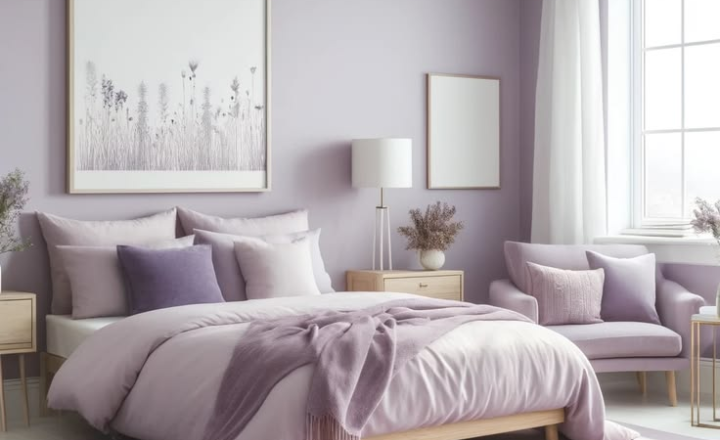
Color is one of the most important elements in interior design because it strongly influences the mood and atmosphere of a space. Whether it is the bright shades in a lively living room or the soft, calm tones in a relaxing bedroom, colors can affect emotions, awaken the senses, and bring balance to the overall design.
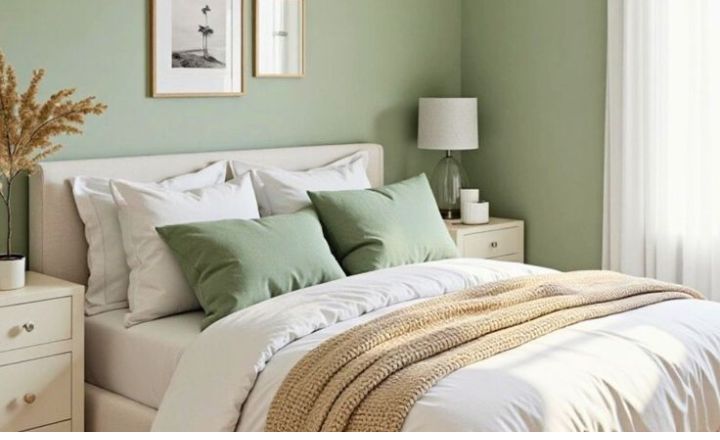
In this guide, we will explore the basics of color psychology to help you select the most suitable colors for bedrooms. A well-chosen color palette not only enhances the look of a room but also turns it into a peaceful and comfortable place for rest and sleep.
The Basics of Color Psychology
Colors are often linked with specific feelings and meanings, and each shade carries its own psychological effect. For instance, cool colors such as blue and green are commonly connected with peace and relaxation, while warm colors like red and yellow tend to bring energy and a sense of excitement.
In addition, different tones can subtly influence how a space feels darker shades may create warmth and closeness, whereas lighter colors often make a room feel more spacious and open.
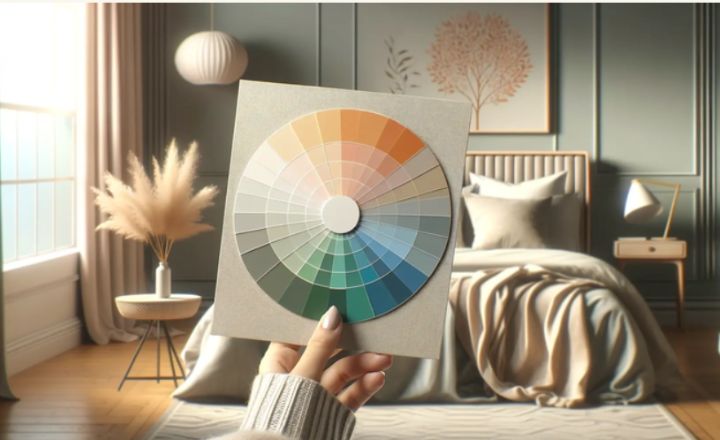
The colors used in a bedroom can have a direct impact on sleep quality and overall comfort. When people understand how different shades affect mood and perception, they can choose better color schemes for their rooms. This helps in creating a calm and restful environment.
Now, let’s look at six carefully chosen colors that can help turn bedrooms into peaceful and relaxing spaces.
Six Soothing Bedroom Color Ideas
- Soft Blues
- Pale Greens
- Pastel Pinks
- Soft Neutrals
- Light Grays
- Soft Whites
1. Soft Blues
Soft blue is widely appreciated for its calm and relaxing appearance, making it a popular choice for bedroom interiors. This peaceful shade is often connected with clear skies and still water, creating an atmosphere that feels quiet, refreshing, and comforting. Its gentle tone naturally encourages relaxation and helps make the bedroom more peaceful.
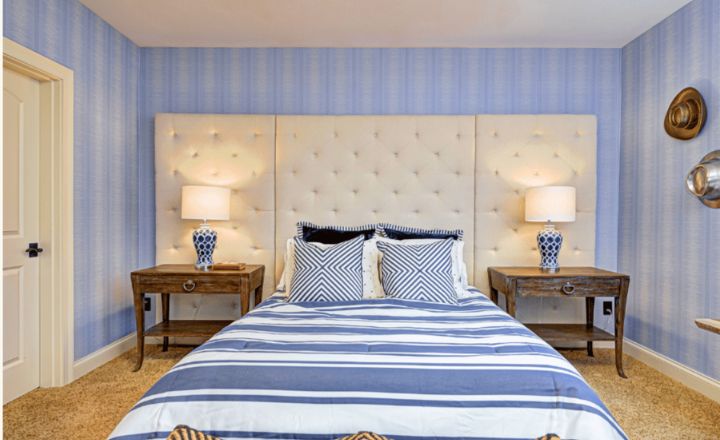
From a psychological perspective, soft blue is known for creating a balanced and soothing effect on the mind and body. In bedroom decoration, this color can make the space appear larger, brighter, and more open. The cool tones of blue also help ease tension and support a stress-free environment, making it easier to feel relaxed and comfortable..
2. Pale Greens
Pale green, with its soft and subtle appearance, adds a refreshing and lively touch to a bedroom. This gentle shade often brings to mind peaceful forests and green landscapes, giving the space a natural and calming atmosphere.
Unlike the cool and airy feel of blue, pale green creates a warmer and more grounded environment that reflects nature, growth, and renewal. It helps build a soothing and balanced setting that encourages comfort and relaxation.
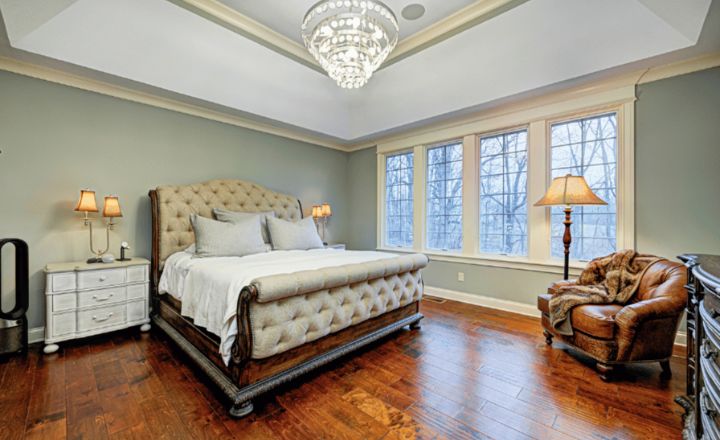
This color is commonly linked with positivity, freshness, and new beginnings. Many people believe pale green has an energizing yet calming influence on both the mind and body, helping a person feel renewed and refreshed.
Because of its peaceful and uplifting qualities, pale green is an excellent option for creating a bedroom that feels calm, balanced, and connected to nature.
3. Pastel Pinks
Pastel pink, with its soft and gentle tone, adds warmth, comfort, and elegance to a bedroom. This delicate shade is often associated with flowers and soft sunset skies, giving the room a sweet and charming appearance.
Unlike the cool calmness of blue or the natural freshness of green, pastel pink creates a cozy and caring atmosphere that feels welcoming and peaceful. Its calming nature helps the bedroom feel more relaxing and intimate.
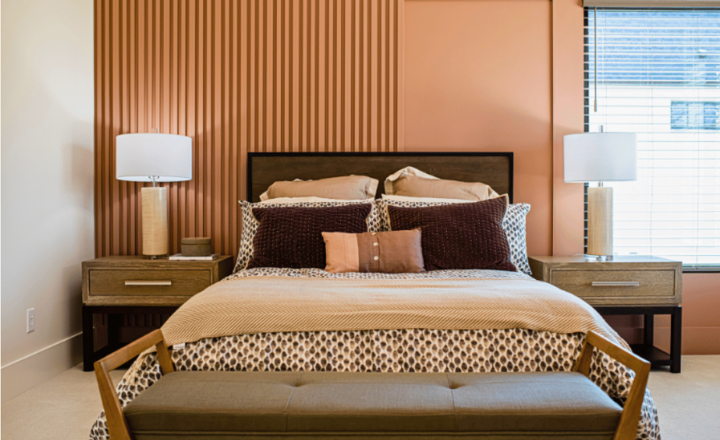
From a psychological point of view, pastel pink is commonly connected with comfort, kindness, and care. It is believed to create a soothing effect on both the mind and body, helping people feel relaxed and emotionally at ease.
Because of its peaceful and comforting qualities, this color can support better rest and contribute to a calm and refreshing bedroom environment.
4. Soft Neutrals
Neutral shades such as beige, taupe, and ivory give a bedroom a classic and elegant appearance while creating a warm and comfortable atmosphere. These colors often resemble natural elements like sand and stone, helping the space feel calm, welcoming, and sophisticated.
Beige adds warmth and coziness, taupe brings depth and a refined touch, while ivory offers softness and simplicity that brightens the overall environment.
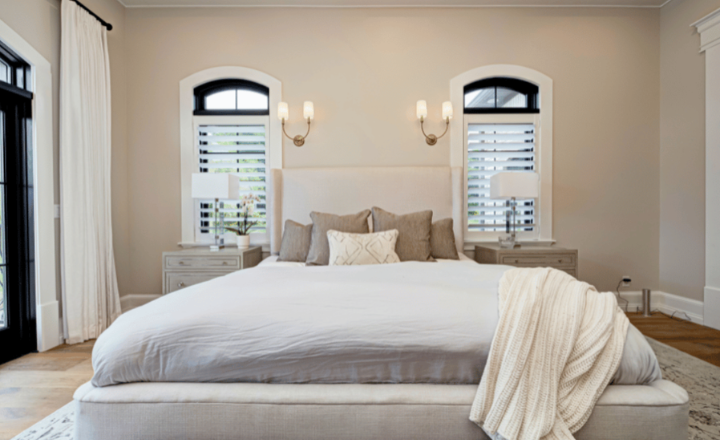
In bedroom interiors, neutral tones provide a flexible foundation that can easily match different styles and personal preferences. Whether they are used as the primary color palette or combined with decorative accents, these shades help create a peaceful and stylish setting.
Their timeless appeal and relaxing qualities make them an excellent choice for designing a calm and refreshing bedroom space.
5. Light Grays
Light gray, with its soft and simple appearance, gives a bedroom a modern and sophisticated feel. Unlike brighter or more colorful shades such as blue, green, or pink, light gray creates a clean and minimalist atmosphere.
This versatile color often reflects the calmness of cloudy mornings and modern city-inspired interiors, helping the room feel peaceful, stylish, and refined.
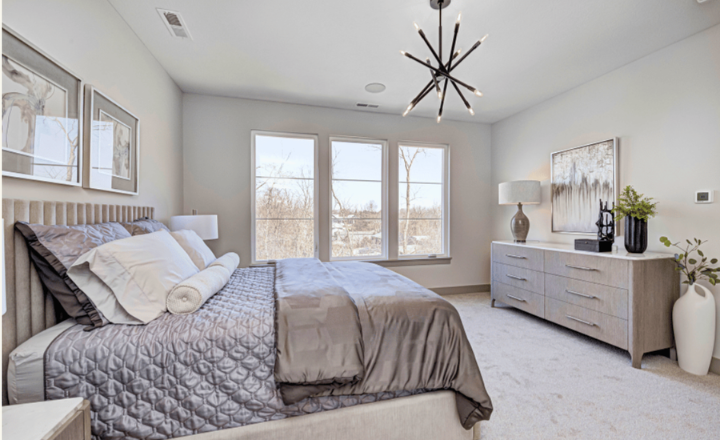
Light gray also adds depth to the space while serving as a subtle background that highlights furniture and decorative elements. It is commonly linked with balance, stability, and calmness, making it suitable for creating a relaxing bedroom environment.
Whether applied as the main wall color or used through decorative accents, light gray blends well with different interior styles and adds a touch of elegance and contemporary charm to the room.
6. Soft Whites
Soft white shades create a peaceful and elegant atmosphere in a bedroom, adding a feeling of freshness, purity, and calmness to the space.
These light tones often resemble soft clouds and snowy landscapes, giving the room an open and airy appearance that feels both relaxing and welcoming. Their gentle character helps make the environment bright, soothing, and timeless.
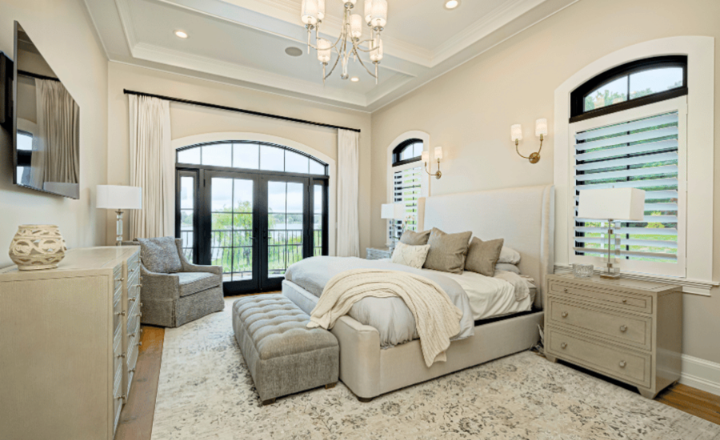
Soft white is commonly connected with simplicity, cleanliness, and clarity, which helps the bedroom feel neat and refreshing. This versatile color scheme also works beautifully with different décor styles while enhancing the effect of natural light throughout the room.
By reflecting light softly, it creates a warm and delicate glow that makes the bedroom feel more comfortable, serene, and visually spacious.
Color Caution: Shades That Disrupt Serenity
Certain colours like red, purple, brown, black, and orange can interfere with the calm and peaceful atmosphere that is usually preferred in a bedroom. Red is a strong and lively colour that often brings a sense of energy and excitement, which may not be ideal for rest.
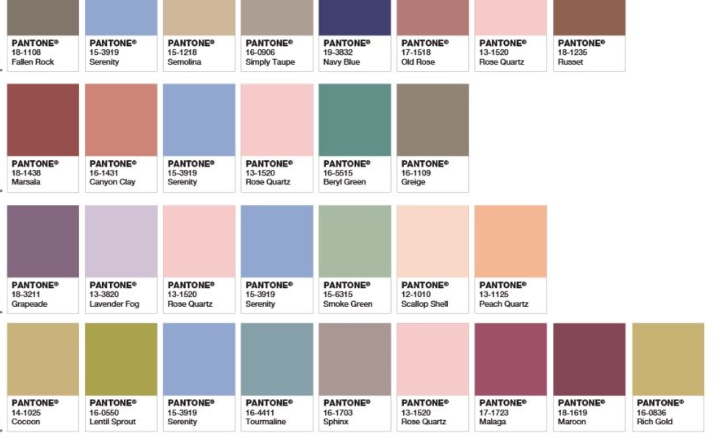
In the same way, deep shades of purple can sometimes feel dense or overwhelming in a sleeping space. Brown and black, although they are warm and stable tones, may create a dull or heavy mood if they are used too much.
Orange, on the other hand, is bright and energetic, and it can be too stimulating for a room meant for relaxation and sleep.
Explore about 9 Stunning Warm Bedroom Colours Scheme for a Relaxing Home
Beyond Paint: Color in Design Elements
In bedroom design, colour is not limited only to the walls; it also appears in elements like bedding, cushions, wall art, and other decorative pieces. These features help bring personality and style into the room while supporting the overall theme.
To create a well-balanced and unified look, it is important to choose a main colour or a colour palette that forms the base of the room’s design. After that, additional shades and accent colours can be added through items such as pillows, bedding, and artwork to support and enrich the main scheme.
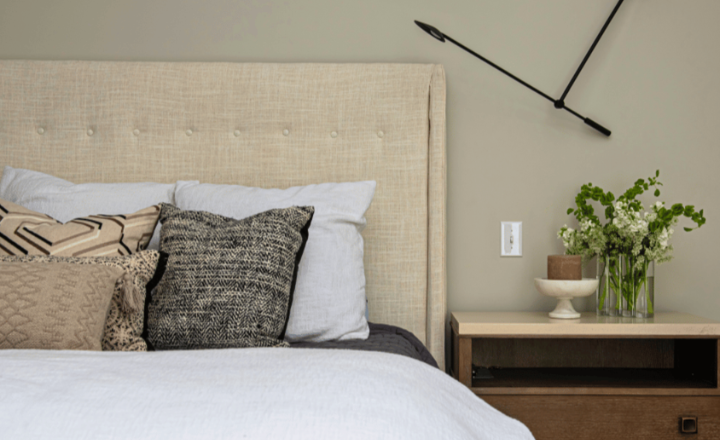
These accents can also introduce small touches of brighter or contrasting colours to make the space more visually engaging. While doing so, attention should be given to balance, contrast, and proportion so the room feels visually comfortable and well-organized.
Mixing different textures and patterns can further enhance depth and interest, while still keeping the overall design consistent and harmonious.
Check out 25+ Stunning Living Room Paint Ideas (Modern, Small Spaces & Budget-Friendly)
Practical Tips for Choosing Bedroom Colors
When selecting colours for a bedroom, lighting plays an important role. Spaces that receive plenty of natural light can handle both light and dark shades comfortably, whereas rooms with less natural light often look better with lighter colours, as they help make the space feel more open and airy.
Before finalising any colour, it is always a good idea to test it on the walls first. Paint samples can appear different depending on lighting conditions, so observing them in your own room helps you understand how the colour will truly look throughout the day.
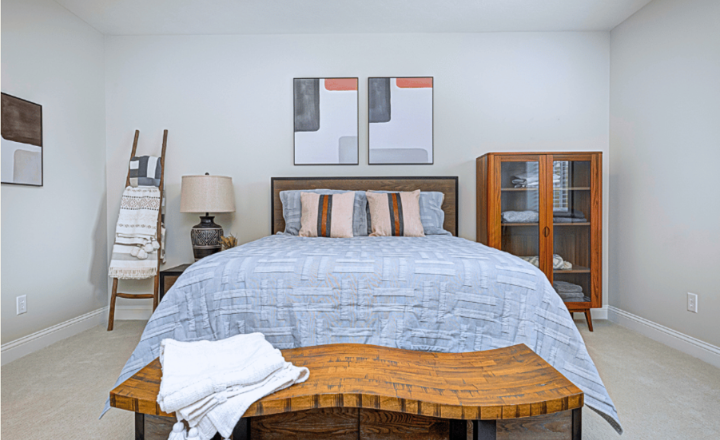
It is also important to maintain a consistent colour palette that matches the overall style and décor of the bedroom. A well-coordinated palette creates harmony and gives the room a smooth, unified appearance.
If you prefer bold colours, it is better to use them as accent features rather than covering entire walls, and balance them with neutral shades to avoid making the space feel too intense or crowded.
For more tailored results, seeking guidance from an interior design professional can be helpful. Designers consider factors like room size, layout, and desired mood to suggest suitable colour combinations. Their advice can help create a bedroom environment that is both visually appealing and peaceful, supporting relaxation and comfort.
Design Your Dream Bedroom With Everything Home
Using colour psychology effectively is important when designing a calm and restful bedroom environment. It helps turn a simple room into a peaceful space that supports relaxation, rest, and mental refreshment.
If you are planning to create your own personalised sleep sanctuary, you can reach out to a design-build studio like Everything Home for a consultation.
Their team of renovation professionals works to understand your individual style, preferences, and needs, and then helps you choose suitable colours and design elements for your space. With their guidance, you can shape your ideas into reality and create a bedroom that feels calm, comfortable, and truly relaxing.
What is the psychology of bedroom colors?
Room color psychology suggests that neutrals and soft greens are soothing bedroom colors, while reds are designed more for an intimate and cozy setting. You can also opt for blues, widely considered calming bedroom colors for anxiety and stress.
What is the most peaceful color for a bedroom?
Soft Blues
Consistently ranked as the most calming color, blue tones have been linked to lowered heart rate, reduced blood pressure and a greater sense of mental clarity. For this reason, soft blues are a classic choice for creating a peaceful environment in the bedroom.
Which color is perfect for a bedroom?
The best bedroom colors for promoting relaxation and sleep are soft blues, greens , lavender, and neutral tones like begie , grey , or off-white.
These calm, nature-inspired shades reduce stress, while softer pastels and earth tones create a serene, tranquil atmosphere suitable for rest.
What is the most beautiful color for a room?
Primary colors (i.e., blue, red and yellow) remain among the perennial choices for rooms. In particular, most people choose different shades of blue because of its soothing effect.
What are the 2026 bedroom trends?
2026 bedroom trends emphasizi tranquil, nature-inspired sanctuaries ,blending “soft minimalism ” with cozy, tactile comfort.
Key elements include warm sage green and earthy clay tones, textured materials like boucle and linen, and wellness-focused, “sleep-first” design, moving away from harsh, icy tones toward calm, monochrome, and cocooning environments