

Grease buildup on kitchen cabinets is one of the most frustrating cleaning problems, especially near the stove. Over time, oil and food particles create a sticky layer that dulls the wood and attracts more dirt.
In this guide, you’ll learn how to clean greasy wood cabinets in the kitchen using simple methods, including natural solutions and the best cabinet cleaners that actually work.
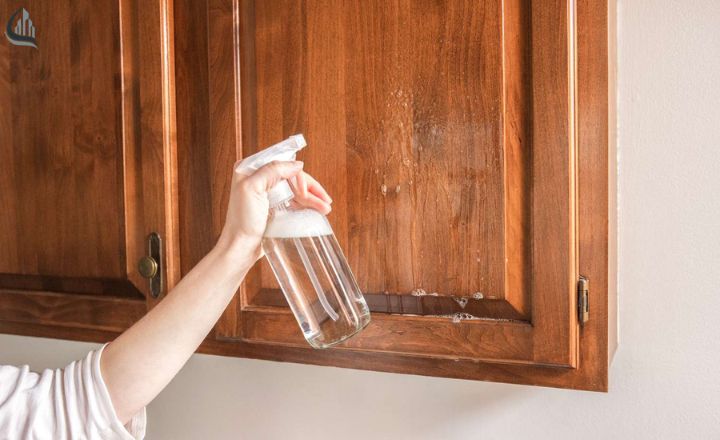
How to Clean Greasy Kitchen Cabinets Quickly
If your cabinets are only lightly greasy, you don’t need anything fancy. In most cases, a quick clean with warm water and a little dish soap does the job surprisingly well.
Just dip a soft cloth into the solution, squeeze out the excess water, and gently wipe the surface. You’ll feel the stickiness start to disappear almost immediately. After that, go over the area with a dry cloth so the wood doesn’t stay damp.
It’s one of those simple methods that people overlook, but it works more often than you’d expect.
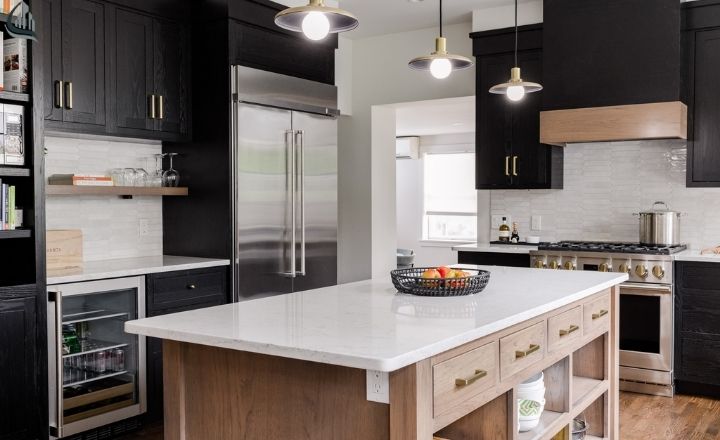
Why Kitchen Cabinets Get Greasy So Fast
Grease doesn’t build up overnight, but it also doesn’t take long. Every time you cook, especially when frying or using oil, tiny particles float into the air and settle on nearby surfaces.
Cabinets near the stove are the first to get hit. If your kitchen doesn’t have strong ventilation, the problem gets worse because that greasy air has nowhere to go. Over time, that thin layer turns sticky and starts attracting dust, making your cabinets look dull and dirty.
Best Way to Clean Greasy Wood Cabinets Without Damaging the Wood
Wood cabinets need a bit of care. You can’t treat them the same way you would tiles or metal surfaces.
The safest approach is to keep things gentle:
- Avoid soaking the surface with water
- Always wipe along the grain of the wood
- Test any cleaner on a small, hidden area first
A little patience here goes a long way. Cleaning too aggressively can damage the finish, and that’s much harder to fix than grease.
How I Tested These Greasy Wood Cabinet Cleaning Methods
In my quest to find the best way to clean greasy kitchen cabinets, I tested multiple cabinet cleaning methods on the sticky residue left by everyday cooking oils.
- The cabinets near my stove had a mix of splatters from frying, baking, and even a few spills. I started with a commercial degreaser, spraying it directly onto the affected areas. After letting it sit for a few minutes, I wiped it down with a microfiber cloth, revealing a noticeable difference, although some stubborn spots remained.
- Next, I turned to a homemade solution. I measured effectiveness by checking how much of the original buildup was removed after each cleaning session. It was a combination of techniques that yielded the best results, showing that understanding your specific grease buildup is key to effective greasy kitchen cabinet cleaning methods.
Explore 10 Best Ways to Clean Stainless Steel Appliances in 2026
1. Clean Greasy Wood Cabinets with Dish Soap (Most Effective Method)
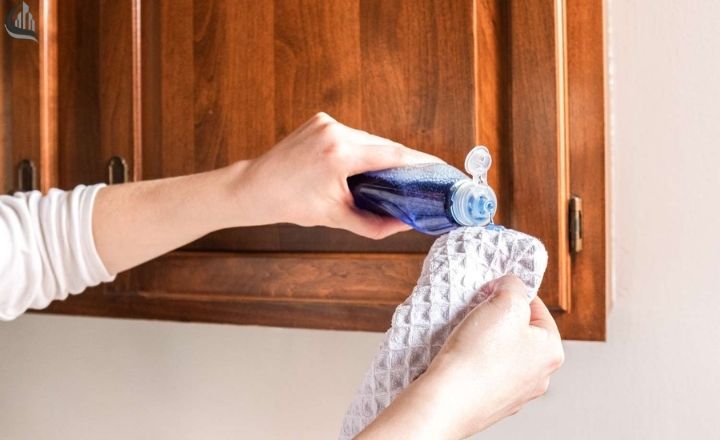
Dish soap works because it’s made to break down oils, and that’s exactly what you’re dealing with here.
Mix a few drops into warm water and use a soft cloth to wipe the cabinets. Work in small sections so you don’t miss spots. For areas that feel extra sticky, go over them twice instead of scrubbing harder.
This method is simple, safe, and honestly, it’s enough for most kitchens unless the grease has been sitting there for a long time.
2. Best Degreaser Spray for Tough Kitchen Grease
When it comes to tackling greasy wood cabinets, Pledge Everyday Cleaner stands out as a reliable choice. Its ease of use is one of its defining features; a simple spray-and-wipe method allows you to swiftly address stubborn grease without much fuss.
Unlike some store-bought cabinet cleaners that can leave behind residue, Pledge effectively penetrates grease buildup, ensuring that your cabinets not only look cleaner but also feel fresh.
3. Murphy Oil Soap for Deep Cleaning
Murphy Oil Soap is a kitchen superstar when it comes to removing grease from wooden cabinets. Its unique formula effectively cuts through airborne kitchen grease that settles on surfaces, making it perfect for tackling everything from grimy cabinet doors to sticky handles.
- Just a few drops mixed with warm water can transform tough layers of grease into easy-to-wipe-away residue.
- To get the best results, dilute Murphy Oil Soap according to the label instructions, typically around 1/4 cup per gallon of water.
- This ensures you’re using enough cleaning power without harming your cabinets. For a cabinet maintenance routine, a gentle scrub with a microfiber cloth can work wonders, keeping your wood conditioned and lovely.
4. A Natural DIY Option That’s Surprisingly Effective
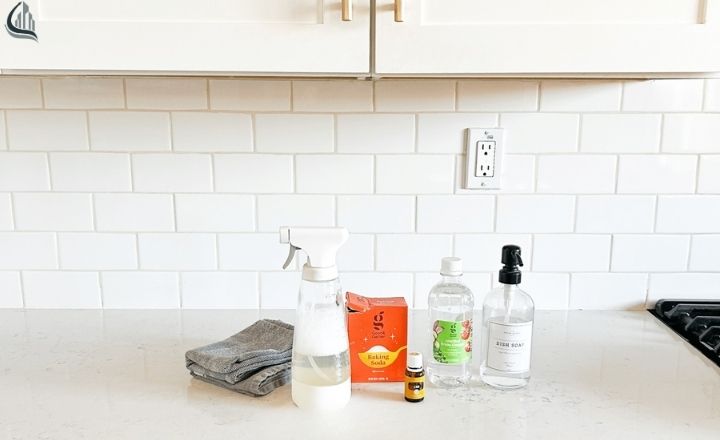
- Using a natural way to clean greasy wood cabinets can be wonderfully effective, and a combination of Castile soap, baking soda, and vinegar serves as a powerful DIY degreaser for kitchen cabinets.
- Castile soap, a plant-based cleaner, helps break down grease thanks to its gentle surfactants. Just a few drops mixed with water will create a soapy solution that effectively lifts away the sticky residue without harming the finish of your cabinets.
- When baking soda is combined with vinegar, this dynamic duo creates a fizzing reaction that further agitates the grease, making it easier to wipe away.
This eco-friendly cabinet-cleaning method not only preserves the beauty of your wood but also helps you avoid harsh chemicals found in many commercial cleaners.
5. Using Vinegar Soak to Remove Sticky Grease
One of the most effective yet simple ways to clean kitchen cabinets is the vinegar soak method.
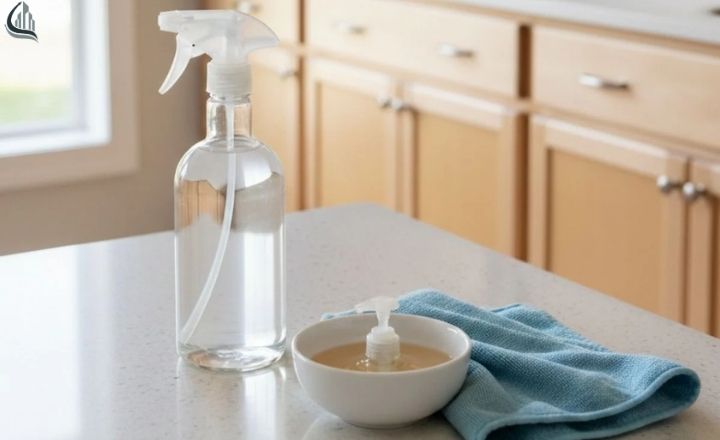
Start by mixing equal parts of white vinegar and warm water in a bowl. This natural solution not only cuts through grease but also helps eliminate odors.
- To use this method, dip a soft cloth into your vinegar solution, lightly wring it out, and apply it to the cabinet surfaces.
- Let it sit for 5-10 minutes, especially on tougher spots. This gentle approach softens grime without harsh chemicals, making it perfect for families with little ones.
- After soaking, wipe the cabinets with a clean cloth to reveal a sparkling finish.
How Often Should You Clean Kitchen Cabinets?
In a bustling kitchen, the best way to clean kitchen cabinets isn’t just about the occasional deep scrub; it’s a routine dance of care. If you often cook with oils or spices, consider a light cleaning every few days. In small apartments, where cooking smells linger longer due to limited ventilation, an effective natural cabinet cleaning routine can keep your cabinets looking fresh without harsh chemicals.
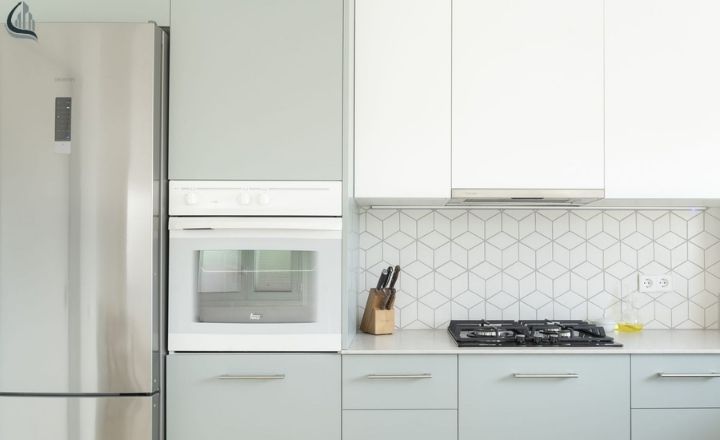
Deep cleaning should occur every month or so, especially if your kitchen often turns into a culinary hotspot. When greasy residue hardens, it not only dulls the finish but also creates a sticky surface that attracts dirt. Regular maintenance is key, using soft cloths and gentle cleaners not only protects the wood but also enhances its natural beauty.
Best Products for Cleaning Kitchen Cabinets
You don’t need a lot of tools, but using the right ones makes a difference.
A good microfiber cloth is a must. It picks up grease without spreading it around. For deeper cleaning, a wood-safe cleaner or a light degreaser can help speed things up.
Start simple. If basic cleaning isn’t enough, then bring in stronger products.
How to Remove Sticky Grease from Cabinets
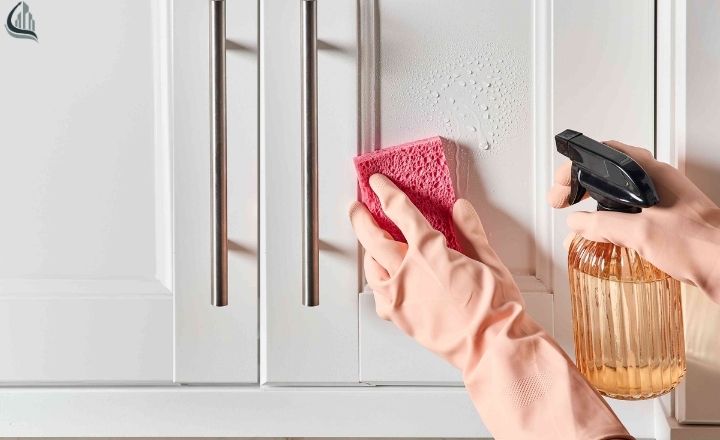
Some spots just don’t come clean on the first try, especially if grease has been sitting there for months.
In those cases, it helps to repeat the process instead of trying to scrub harder. Apply your cleaning solution, let it sit briefly, and wipe again. You might need two or three passes, but it’s safer than damaging the surface.
Patience works better than force here.
Can Vinegar Damage Wood Cabinets?
If you cook regularly, a quick wipe every few days can prevent grease from building up in the first place.
A deeper clean once a month is usually enough to keep everything under control. It really depends on how often you cook and how much oil you use.
The more consistent you are, the easier the job becomes.
How to Prevent Grease Buildup on Cabinets?
Keeping cabinets clean is much easier than dealing with heavy buildup later.
A few small habits make a big difference:
- Turn on the exhaust fan while cooking
- Wipe surfaces regularly before the grease hardens
- Cover pans to reduce splatter
These steps don’t take much effort, but they save you a lot of cleaning later.
You can also read how to get rid of cooking smells in a small kitchen.
Conclusion
In conclusion, keeping your wood cabinets clean and free of grease doesn’t have to be a chore. The best way to clean greasy wood cabinets in the kitchen includes using effective solutions like Dawn dish soap, Pledge cleaner, and Murphy Oil Soap. For a natural approach, Castile soap paired with baking soda and vinegar works wonders, while a vinegar soak can tackle tougher grime.
To wipe down your cabinets regularly and use splatter guards while cooking to prevent grease buildup. By applying these wood cabinet cleaning tips, you’ll be well on your way to a sparkling clean kitchen. Why not give these methods a try and enjoy the fresh look of your cabinets?
FAQs
What is the best thing to clean kitchen cabinets with?
The best thing to clean kitchen cabinets is a gentle mixture of warm water and dish soap. This solution helps remove grease and grime without damaging the wood finish. For tough spots, try using a soft cloth or sponge.
How do you clean greasy kitchen cabinets fast?
Use warm water with dish soap and wipe with a microfiber cloth. For tough grease, apply vinegar solution and dry immediately.
How do you clean kitchen cabinets?
To clean kitchen cabinets, mix warm water with a few drops of mild dish soap. Wipe down the surfaces with a soft cloth, rinsing the cloth often. For stubborn stains, you might need a bit of baking soda on a damp cloth. Always dry the cabinets afterward to prevent water damage.
Is Murphy Oil Soap good for kitchen cabinets?
Yes, Murphy Oil Soap is good for kitchen cabinets. It’s designed to clean and nourish wood surfaces, helping to maintain their shine. Just dilute it with water as directed on the bottle, and it can leave your cabinets looking great.
What should you not use to clean wood cabinets?
Avoid using abrasive cleaners, ammonia, or strong chemicals. These can damage the wood finish and cause discoloration. Also, don’t use steel wool or rough sponges, as they can scratch the surface.
What is the best homemade wood cleaner?
A simple homemade wood cleaner is a mixture of vinegar and olive oil. Use one part vinegar to two parts olive oil. This solution not only cleans but also nourishes the wood. Just apply it to a cloth and wipe down your cabinets for a nice shine.
How often should you clean kitchen cabinets?
It’s a good idea to clean your kitchen cabinets every month. Regular cleaning helps prevent the buildup of grease and dust, keeping your kitchen looking fresh. Spot cleaning spills as they happen can also help keep them in great shape.