
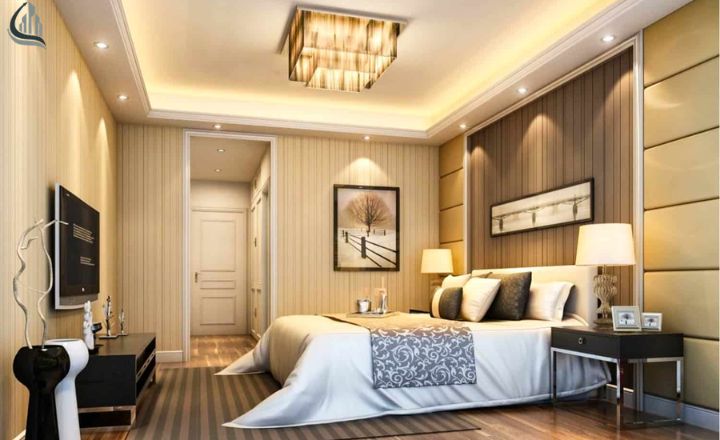
False ceilings have become one of the most popular interior design features for modern homes, combining style with practical benefits. From improving lighting and hiding electrical wiring to enhancing insulation and adding a premium look, choosing the right type of false ceiling can completely transform your space.
In this guide, you’ll discover the best types of false ceilings, along with their advantages, materials, costs, and ideal applications. Whether you’re renovating your living room, bedroom, kitchen, or office, this guide will help you choose the perfect false ceiling for your home.
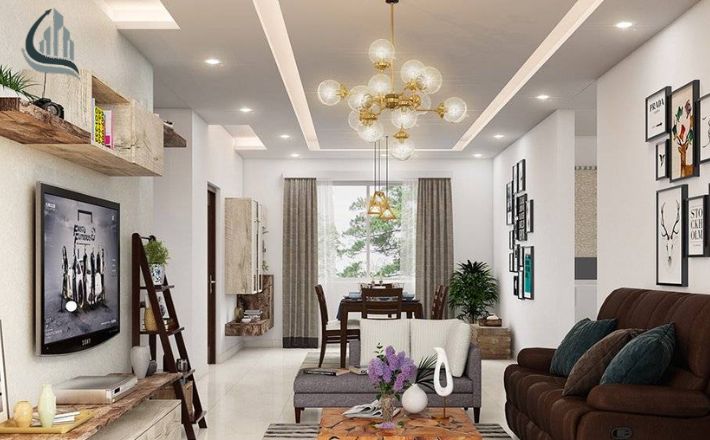
Why Do You Need a False Ceiling?
A false ceiling is installed below the main ceiling slab. Many homeowners exploring different types of false ceilings choose it for better lighting and temperature control.
Main benefits:
- Hides electrical wiring and pipes
- Reduces room heat
- Improves sound insulation
- Supports modern false ceiling design with LED lights
- Improves overall room finish
How to Choose the Right False Ceiling
Choosing the right false ceiling can transform not just the aesthetics of a room, but also its ambiance and functionality.
- Start by considering the purpose of the space. For casual living areas, a minimalist design could enhance openness, while a more dramatic style might work well in entertainment zones.
- Pay attention to the ceiling height, as a lower ceiling might benefit from lighter materials and colors to avoid a claustrophobic feel, whereas higher ceilings can offer you the luxury of bold statements.
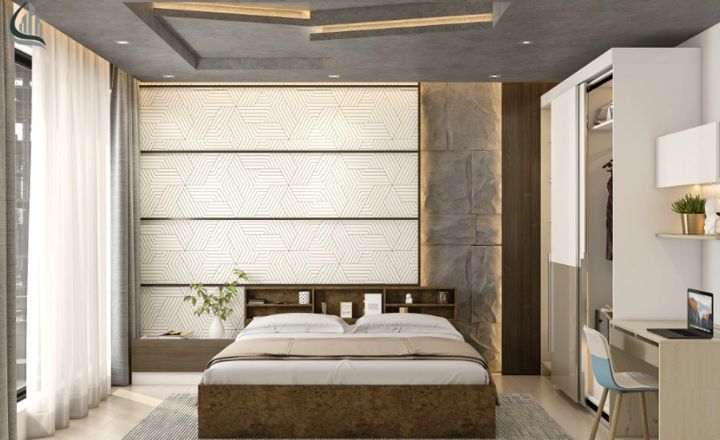
False ceilings allow for versatile lighting options, from recessed lights to stylish pendants. Incorporating smart lighting can create a dynamic environment, easily adjusting the mood for different activities. Also, don’t overlook acoustic properties; materials that absorb sound can significantly enhance a room’s comfort, particularly in noisy urban settings.
8 False Ceiling Types
There are many types of false ceilings available today, each designed to suit different rooms, budgets, and design needs. Understanding the features of each option helps you choose the right ceiling for your home.
Each style offers its own unique advantages, and you’ll be equipped with the knowledge to choose the right one for your home renovation project.
- Always check the complete false ceiling material list before installation.
- There are multiple types of false ceilings suitable for Indian homes.
- Selecting the right material from various false ceiling types improves durability.
- Compare types of false ceiling and cost before finalising.
- Proper planning ensures a better finish and less maintenance.
1. Plaster of Paris (POP) False Ceiling
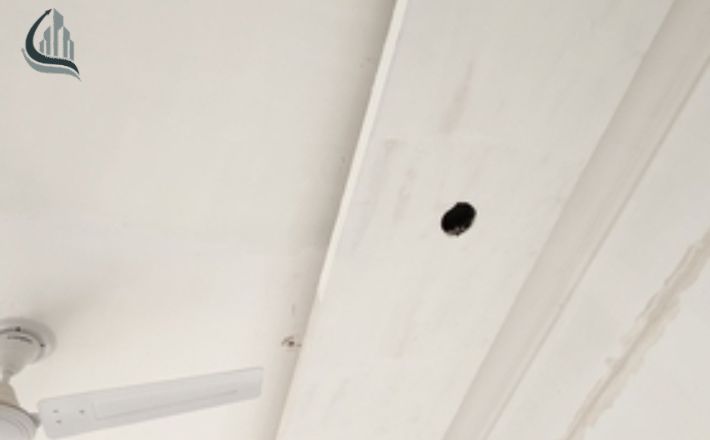
A Plaster of Paris (POP) false ceiling is a decorative secondary ceiling installed below the main roof using a POP mixture. It enhances the appearance of a room by providing a smooth finish while allowing creative ceiling designs and concealing electrical wiring and pipes.
Advantages of a POP False Ceiling
- Creates a smooth and elegant ceiling finish.
- Lightweight and durable for long-term use.
- Offers good heat and fire resistance.
- Can be molded into various decorative shapes and designs.
- Hides electrical wiring, pipes, and ducts for a clean look.
- Easy to paint and customize to match interior décor.
- Improves the overall aesthetic appeal of any room.
- A cost-effective option for modern interior ceiling designs.
2. Gypsum False Ceiling
A gypsum false ceiling is a suspended ceiling made from prefabricated gypsum boards installed below the main ceiling. It provides a smooth, modern finish while improving the overall appearance of a room and concealing electrical wiring and other fixtures.
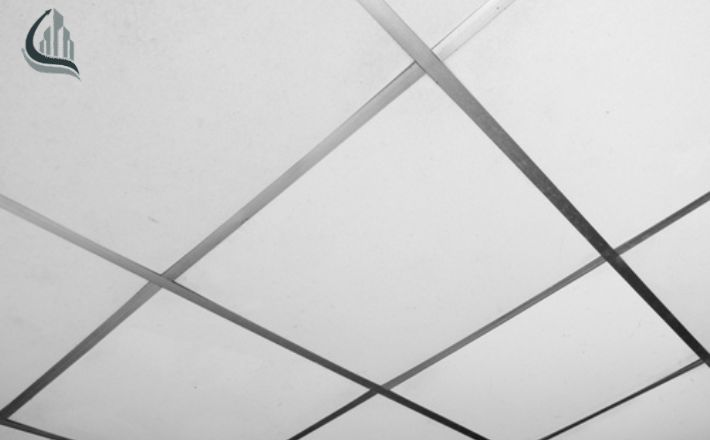
Advantages of a Gypsum False Ceiling
- Lightweight and easy to install.
- Provides a smooth and seamless finish.
- Fire-resistant for improved safety.
- Offers good sound and heat insulation.
- Hides electrical wiring, ducts, and pipes.
- Requires minimal maintenance.
- Suitable for modern and stylish interior designs.
- Durable and long-lasting with proper installation.
3. Wood False Ceiling
A wooden false ceiling is a suspended ceiling made from wooden panels, planks, or beams installed below the main ceiling. It enhances the interior with a warm, natural, and luxurious appearance while adding elegance and character to the space.
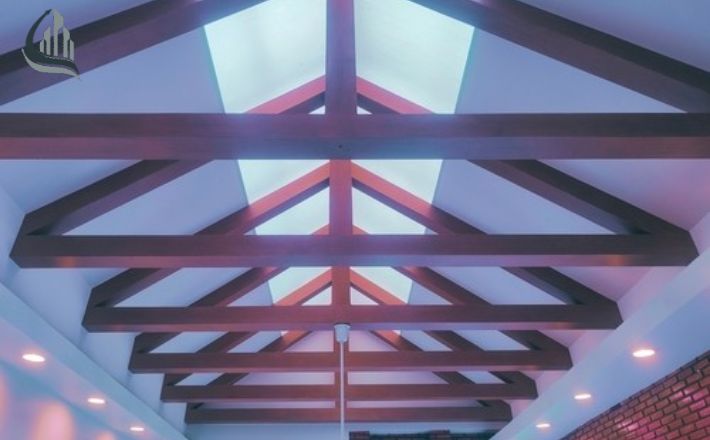
Advantages of a Wooden False Ceiling
- Adds a warm and premium look to any room.
- Provides excellent thermal and sound insulation.
- Strong and durable with proper maintenance.
- Conceals electrical wiring, ducts, and lighting fixtures.
- Enhances the aesthetic appeal with natural wood textures.
- Suitable for both traditional and modern interior designs.
- Available in a variety of wood finishes and styles.
- Increases the overall value and elegance of the interior.
4 Fiber False Ceiling
A fiber false ceiling is a suspended ceiling made from fiber-based panels or tiles installed below the main ceiling. It is a lightweight and cost-effective ceiling solution that improves the appearance of a room while offering good insulation and sound absorption.
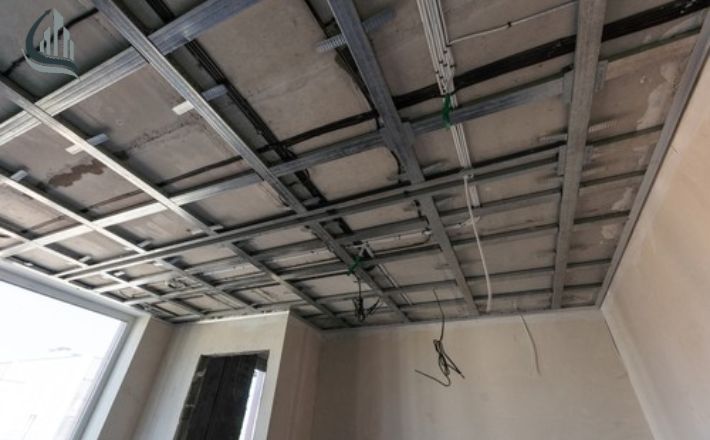
Advantages of a Fiber False Ceiling
- Enhances the overall appearance of interiors.What Is a Metal False Ceiling?
- Lightweight and easy to install.
- Budget-friendly compared to many ceiling materials.
- Provides good sound insulation.
- Offers effective thermal insulation.
- Easy to maintain and replace.
- Suitable for offices, schools, and commercial spaces.
- Available in various textures and designs.
See also 17 Simple Ceiling Bedroom Design Ideas for Modern & Stylish Homes
5. Metal False Ceiling
A metal false ceiling is a suspended ceiling made from aluminum or steel panels installed below the main ceiling. It is known for its strength, durability, and modern appearance, making it suitable for both residential and commercial spaces.
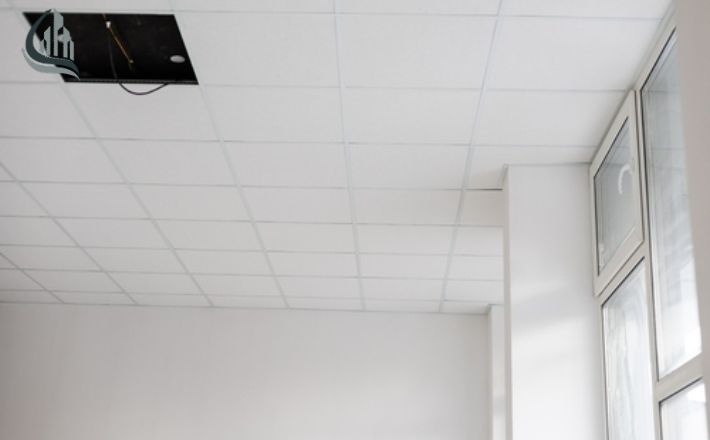
Advantages of a Metal False Ceiling
- Highly durable and long-lasting.
- Resistant to moisture, rust, and fire.
- Easy to clean and maintain.
- Conceals electrical wiring and ductwork neatly.
- Provides good thermal and acoustic performance.
- Gives a sleek and modern appearance.
- Suitable for kitchens, bathrooms, offices, and commercial buildings.
- Available in various designs, finishes, and colors.
6. Glass False Ceiling
A glass false ceiling is a suspended ceiling made from glass panels installed below the main ceiling. It is used to create a bright, elegant, and modern interior while adding a luxurious touch to the space.
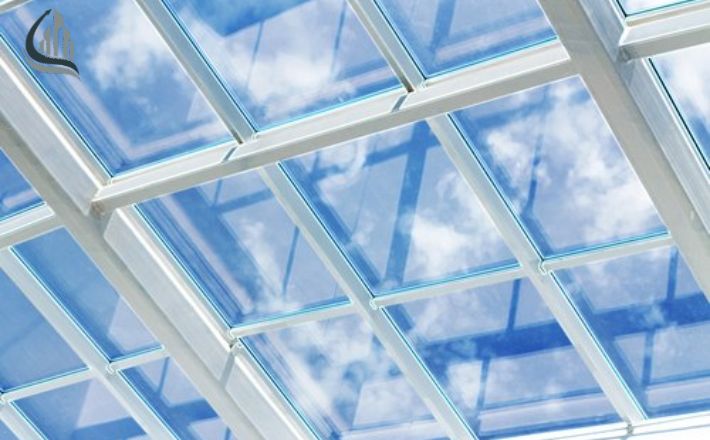
Advantages of a Glass False Ceiling
- Creates a stylish and luxurious appearance.
- Reflects light to make rooms feel brighter and more spacious.
- Available in clear, frosted, tinted, and decorative designs.
- Enhances the overall aesthetic appeal of interiors.
- Resistant to moisture and easy to clean.
- Suitable for modern homes, hotels, and commercial spaces.
- Can be combined with LED lighting for a unique visual effect.
- Adds a sophisticated and contemporary look to any room.
7. PVC False Ceiling
A PVC false ceiling is a suspended ceiling made from polyvinyl chloride (PVC) panels installed below the main ceiling. It is widely used because of its water resistance, durability, and low maintenance, making it an excellent choice for both residential and commercial spaces.
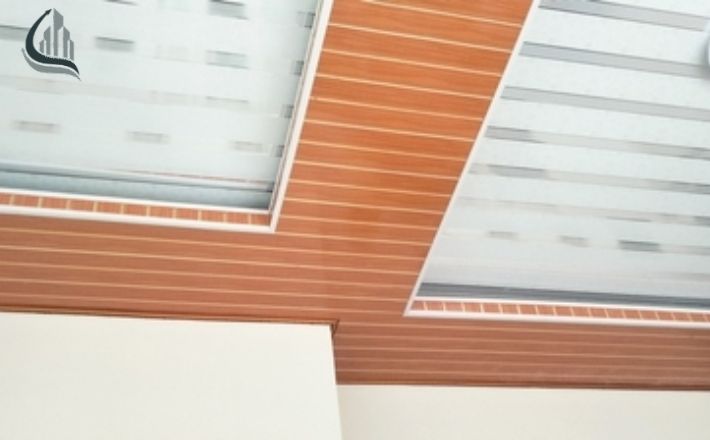
Advantages of a PVC False Ceiling
- Waterproof and moisture-resistant.
- Lightweight and easy to install.
- Resistant to termites and corrosion.
- Easy to clean and maintain.
- Cost-effective and budget-friendly.
- Durable and long-lasting.
- Available in a variety of colors, textures, and designs.
- Ideal for kitchens, bathrooms, and other humid areas.
8. Fabric and Synthetic Leather False Ceiling
A fabric and synthetic leather false ceiling is a suspended ceiling made from stretched fabric or leather-like materials installed below the main ceiling. It is designed to create a luxurious, elegant, and visually appealing interior with a soft and sophisticated finish.
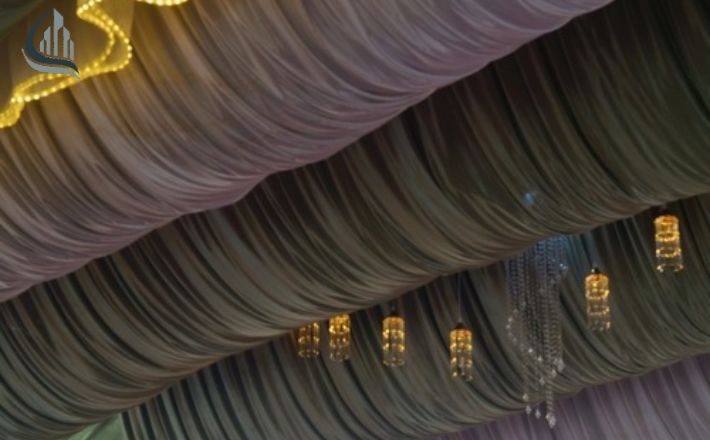
Advantages of a Fabric and Synthetic Leather False Ceiling
- Creates a luxurious and elegant appearance.
- Adds a soft and stylish finish to interiors.
- Available in a wide range of colors, textures, and patterns.
- Enhances the overall aesthetic appeal of a room.
- Improves acoustic comfort by reducing noise.
- Ideal for luxury homes, hotels, lounges, and commercial spaces.
- Can be customized to suit different interior design styles.
- Creates a unique and modern ceiling design.
Explore 18 Stunning Bedroom Wallpaper Ceiling Ideas for a Stylish Modern Bedroom
Design Variations for False Ceiling
False ceiling design variations are different styles and layouts used to enhance the appearance and functionality of a suspended ceiling. These designs improve the room’s aesthetics, lighting, and overall interior while complementing different architectural styles.
Types of False Ceiling Design Variations
- Single-Layer Ceiling: Simple and clean design suitable for modern and small spaces.
- Double-Layer Ceiling: Layered design that adds depth and a luxurious appearance.
- Cove Lighting Ceiling: Features hidden LED lights to create soft, ambient lighting.
- Grid Pattern Ceiling: Structured square or rectangular layout, ideal for offices and commercial interiors.
- Circular Ceiling Design: Decorative circular pattern that highlights chandeliers or ceiling fans.
- Minimal Straight-Line Ceiling: Sleek and contemporary design with clean, straight lines for a modern look.
Read 22 Stunning Living Room Ceiling Lighting Ideas to Brighten Your Home in 2026
Materials Used in False Ceiling
False ceiling materials are the components used to construct a suspended ceiling below the main roof. The choice of material affects the ceiling’s durability, appearance, insulation, maintenance, and overall performance.
Common False Ceiling Materials
- Gypsum Boards: Provide a smooth finish and are easy to install.
- Plaster of Paris (POP): Ideal for decorative and customized ceiling designs.
- PVC Panels: Waterproof and suitable for kitchens and bathrooms.
- Wooden Panels: Offer a warm, elegant, and premium appearance.
- Metal Sheets: Strong, durable, and resistant to moisture and fire.
- Fiber Tiles: Lightweight, affordable, and provide good sound insulation.
- Glass Panels: Add brightness and a modern decorative look.
- Suspension Channels: Metal framework that supports and holds the false ceiling securely in place.
Factors Affecting the Cost of False Ceilings
Several factors influence the overall cost of a false ceiling. Understanding these factors can help homeowners choose a ceiling design that meets both their aesthetic preferences and budget.
- Material Selection: Different materials have different prices. Gypsum and POP are budget-friendly, while wood and glass are more expensive.
- Room Size: Larger rooms require more materials and labor, increasing the overall installation cost.
- Labor Charges: Skilled professionals may charge higher fees, especially for complex ceiling installations.
- Design Complexity: Multi-layered, curved, or customized ceiling designs require additional materials and labor, making them more costly.
- Lighting Integration: Installing LED strips, recessed lights, or chandeliers increases wiring and installation expenses.
- Property Location: Material availability, transportation costs, and local labor rates vary by location and affect the final cost.
- Material Quality: Premium-quality materials provide better durability and finish but usually come at a higher price.
- Maintenance Requirements: Ceilings that require less maintenance may have a higher initial cost but lower long-term expenses.
Getting the Best Value
To get the best value from a false ceiling, consider the following factors:
- Material Durability: Choose materials that offer long-lasting performance.
- Installation Quality: Ensure the ceiling is installed by experienced professionals.
- Maintenance Requirements: Select materials that are easy to clean and maintain.
- Proper Design Planning: Choose a design that matches the room’s size and purpose.
- Budget Balance: Find a balance between quality, aesthetics, and overall cost.
- Room Suitability: Select the right ceiling material based on the room’s conditions, such as moisture or heat.
- Lighting Compatibility: Ensure the ceiling design supports your preferred lighting fixtures.
Choosing the right false ceiling by considering these factors helps you achieve better durability, functionality, and value for your investment.
Best False Ceiling for Different Rooms
When it comes to choosing the best false ceiling for different rooms, the options are as varied as the rooms themselves. In living areas, a coffered ceiling can add depth and elegance, creating a cozy ambiance that invites gatherings. On the other hand, for bedrooms, a soft gypsum board ceiling with mood-enhancing LED strip lighting can provide a serene atmosphere perfect for relaxation.
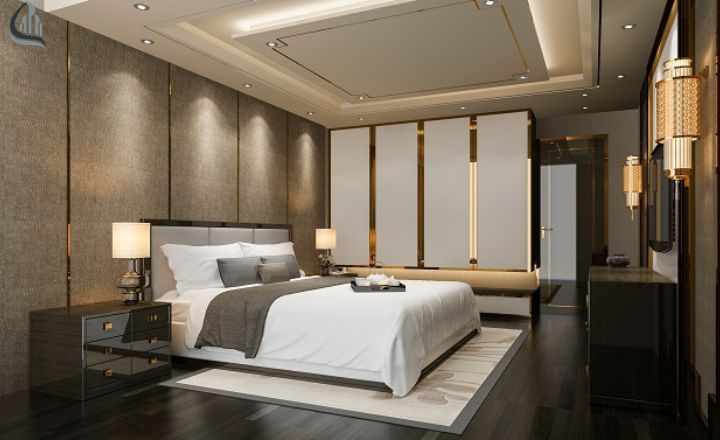
In kitchens, consider a metal false ceiling; it’s not only durable but also easy to clean and maintain. In bathrooms, moisture-resistant materials like PVC are ideal; they prevent water damage while allowing for creative designs that can turn a functional space into a mini spa retreat. Each room has its own character, and the right false ceiling can beautifully enhance that vibe.
Best False Ceiling for Kitchen
When it comes to choosing the best false ceiling for your kitchen, consider not just aesthetics but functionality too. Pop ceilings have gained popularity for their smooth finish and ability to accommodate various lighting options. They can effortlessly hide wiring and ductwork, creating a clean, uncluttered look. Homeowners are now leaning towards modular ceilings made of materials like gypsum or aluminium; these are not only stylish but also moisture-resistant, making them ideal for humid kitchen environments.
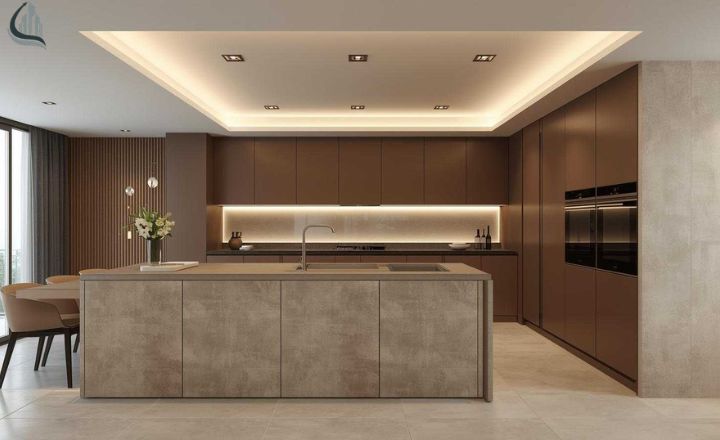
The wood can be treated for moisture resistance, ensuring longevity. Using a combination of textures and colors can enhance the visual depth of your kitchen. Imagine a sleek white pop ceiling paired with wooden accents or colourful LED strip lighting; it’s an opportunity to express creativity while maintaining functionality. The right false ceiling can truly transform your kitchen into a dynamic culinary haven.
Best False Ceiling for Bathroom
When choosing a false ceiling for your bathroom, consider moisture-resistant materials like gypsum or PVC. Not only do they elegantly conceal plumbing and electrical wires, but they also prevent mold growth, making them ideal for such a humid environment. A well-designed false ceiling can create a soothing atmosphere, enhancing your overall bathing experience.
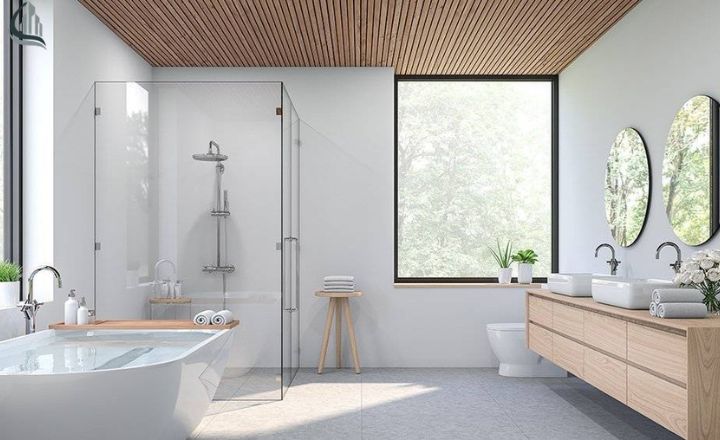
Incorporating LED lights into your false ceiling can elevate the space further. These energy-efficient lights provide uniform illumination, and with options for warm or cool tones, you can tailor the ambience to suit your mood.
A light pastel shade can make a small bathroom feel airy, while deeper hues can create a bold statement. The right false ceiling not only complements your décor but can also become a standout feature, transforming an ordinary bathroom into a sanctuary of relaxation.
Best False Ceiling for Office
When selecting the best false ceiling for an office, the balance between aesthetics and functionality is crucial. A suspended ceiling, for instance, not only provides a sleek look but also helps with acoustics by reducing noise levels in busy work environments. Materials like acoustic tiles or mineral fibre can effectively absorb sound, creating a more focused workspace.
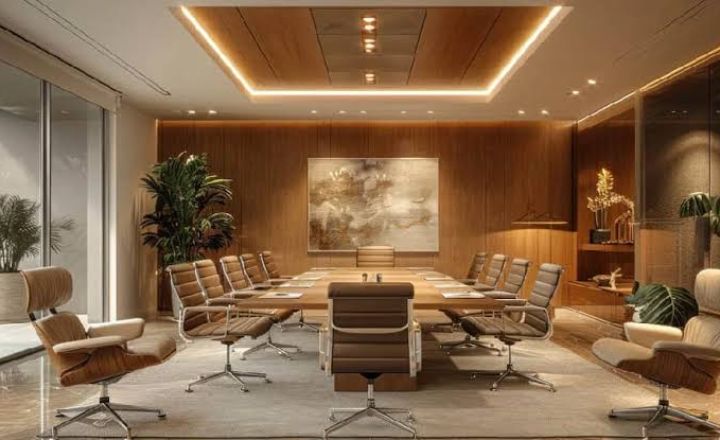
Incorporating features like LED lighting within the false ceiling can transform an office atmosphere, making it both energizing and inviting. Additionally, versatile designs such as modular systems allow for easy customization and future upgrades, adapting to the evolving needs of a business. Consider using eco-friendly materials too; they contribute to a healthier environment.
Which False Ceiling Is Best Based on Budget?
Your budget plays a major role when choosing the right false ceiling. While gypsum offers a premium finish, PVC is the most affordable option, and metal provides excellent durability for modern spaces. Compare the three popular materials below before making your decision.
| False Ceiling Material | Average Cost (per sq. ft.) | Best For | Advantages | Disadvantages |
|---|---|---|---|---|
| Gypsum | $30–$50 | Living rooms, bedrooms, offices | Smooth finish, elegant appearance, excellent sound insulation, fire-resistant | Higher installation cost, not suitable for damp areas |
| PVC | $10–$25 | Kitchens, bathrooms, utility rooms | Waterproof, termite-resistant, lightweight, low maintenance, budget-friendly | Limited premium designs, can look less luxurious |
| Metal (Aluminum/Steel) | $20–$40 | Commercial spaces, kitchens, modern homes | Extremely durable, moisture-resistant, fire-resistant, modern appearance | Can be more expensive than PVC, fewer decorative styles |
Latest False Ceiling Trends (2026)
The latest trends in false ceilings for 2026 showcase a stunning fusion of functionality and aesthetics that transcends traditional designs. Homeowners are increasingly opting for mixed materials, combining wood, metal, and acoustic panels to craft visually striking ceilings that also enhance sound quality. This trend reflects a growing desire for spaces that are not only beautiful but also practical for modern living.
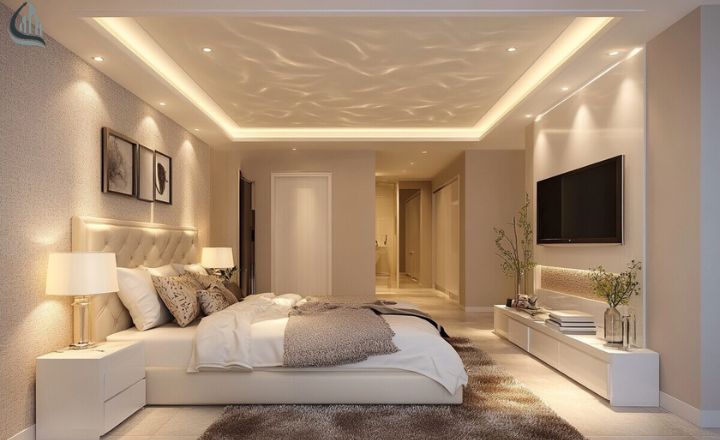
- Geometric patterns: Intricate, bold shapes are making a statement, breaking the monotony of conventional flat surfaces.
- Biophilic design: Incorporating nature-inspired elements, such as green walls and organic textures, creates a calming atmosphere and promotes well-being.
- Smart lighting: Integrated lighting solutions, including LED strips and adaptive technologies, offer versatile lighting options that can change the mood of a room with ease.
These innovations allow homeowners to personalize their spaces while improving the overall ambiance, turning ceilings into breathtaking focal points rather than mere overhead fixtures.
Pros and Cons of False Ceilings
| Pros of False Ceilings | Cons of False Ceilings |
|---|---|
| Enhances Interior Design – Adds elegance, depth, and a modern look to any room. | Higher Installation Cost – Costs more than a standard ceiling due to materials and labor. |
| Hides Wires and Pipes – Conceals electrical wiring, AC ducts, and plumbing for a cleaner finish. | Reduces Ceiling Height – Lowers the room height slightly, which may make small rooms feel less spacious. |
| Improves Lighting – Supports recessed lights, LED strips, chandeliers, and cove lighting for better ambience. | Can Be Damaged by Water Leaks – Roof leaks may cause stains, sagging, or mold if not repaired quickly. |
| Provides Heat Insulation – Helps keep rooms cooler in summer and improves energy efficiency. | Requires Professional Installation – Proper installation is necessary for durability and safety. |
| Reduces Noise – Materials like gypsum and fiber improve sound insulation and reduce echo. | May Need Occasional Repairs – Cracks, moisture damage, or lighting repairs can increase maintenance costs over time. |
| Increases Property Value – A well-designed false ceiling enhances the home’s overall appeal and resale value. | Material Limitations – Some materials, such as wood, require regular maintenance, while others have limited design flexibility. |
Conclusion
In conclusion, false ceilings offer a range of aesthetic and functional benefits for any home. From the elegant look of gypsum boards to the easy maintenance of PVC, there’s a design suited for every taste and budget. Not only do they enhance the appearance of rooms, but they also help with insulation and soundproofing.
By considering factors like material, height, and design, you can choose the perfect false ceiling for your space. If you’re ready to transform your home, why not explore these options and see which one fits your vision?
FAQs
Which type of false ceiling is best for homes?
The best type for homes usually depends on your style and needs, but gypsum and mineral fibre ceilings are popular for their aesthetic appeal and sound insulation.
Which false ceiling material is the most durable?
Gypsum and metal ceilings are among the most durable materials, as they can withstand wear and tear better than others.
Which false ceiling is best for bedrooms and living rooms?
Gypsum false ceilings are often preferred for bedrooms and living rooms for their smooth finish and variety of designs.
Is a false ceiling worth the investment?
Yes, false ceilings can enhance the aesthetic appeal, improve insulation, and hide wiring or ductwork, making them a valuable investment.
What is the difference between POP and gypsum false ceilings?
POP (Plaster of Paris) is generally more versatile for intricate designs, while gypsum is lighter and easier to install.